
Earth Day originated 56 years ago as a grassroots “teach-in” in the United States. Now, it draws millions around the world, all taking a moment to acknowledge our shared responsibility for a planet crowded with 8 billion people and a near-infinite number of organisms.
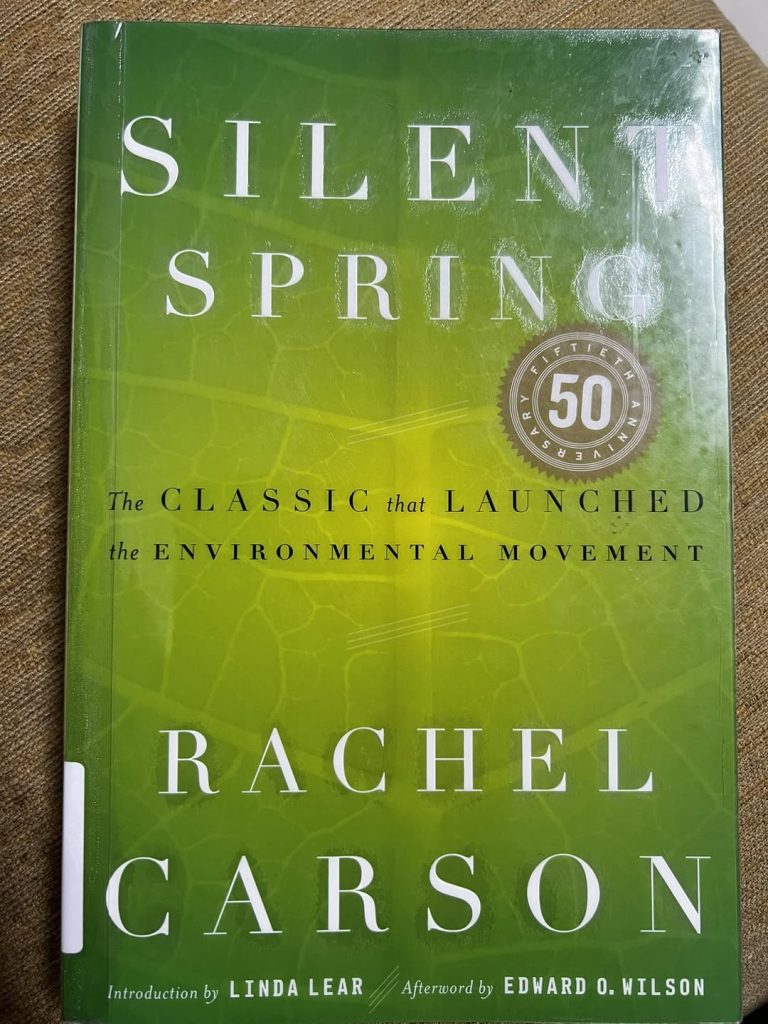
But how did Earth Day start, and why April 22? The first sparks came from the anxiety of the 1960s, an era worried about pollution’s reach. Rachel Carson’s “Silent Spring” hit shelves in 1962, exposing DDT’s threat to the food chain and pushing environmental risks into public consciousness.
The real catalyst, though, was Gaylord Nelson, a U.S. Senator from Wisconsin. He’d worried about the environment for years, but it took a catastrophic 1969 oil spill off the coast of Southern California, millions of gallons of crude smothering beaches, to make him act. Nelson visited the site, then imagined a national “teach-in” for the environment, inspired by the anti-war teach-ins on college campuses. Alongside activist Denis Hayes and others, Nelson grew the idea. They decided not to limit events to universities and chose the name Earth Day.
As for the date, April 22, 1970, the organizers were strategic. Midweek, not during exams or spring break, so college students could join in massive numbers.
Earth Day isn’t a federal holiday, but every year, people organize cleanups and environmental projects worldwide. EarthDay.org tracks these efforts and helps anyone register events.
Has Earth Day mattered? Absolutely. That first year, the groundswell of public support pressured Congress into major steps, like passing the Clean Air Act and the Clean Water Act. Environmentalism, in its modern sense, found its roots in the marches, rallies, and activism of that day. Within a generation, Earth Day went global, now marked in 192 countries, shaping awareness on every continent.
In 2000, Earth Day’s focus shifted firmly onto climate change, recognizing it as the defining environmental issue of our age.
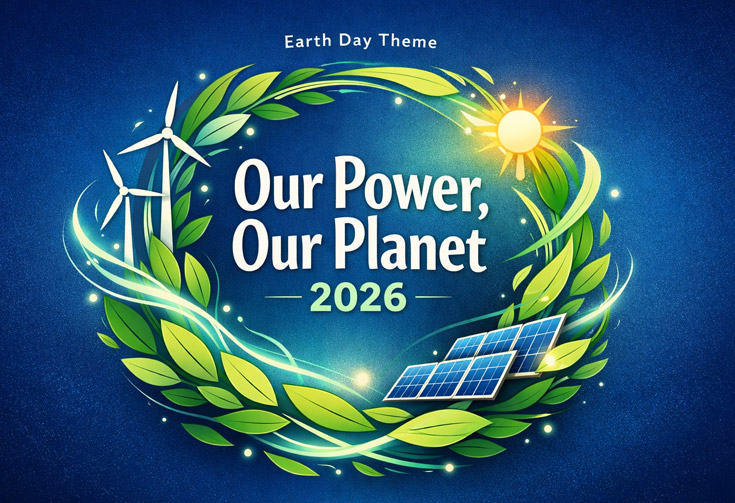
This year, the 2026 theme is “Our Power, Our Planet.” The message: individual and collective action both matter, and everyone has a stake in the planet’s health.