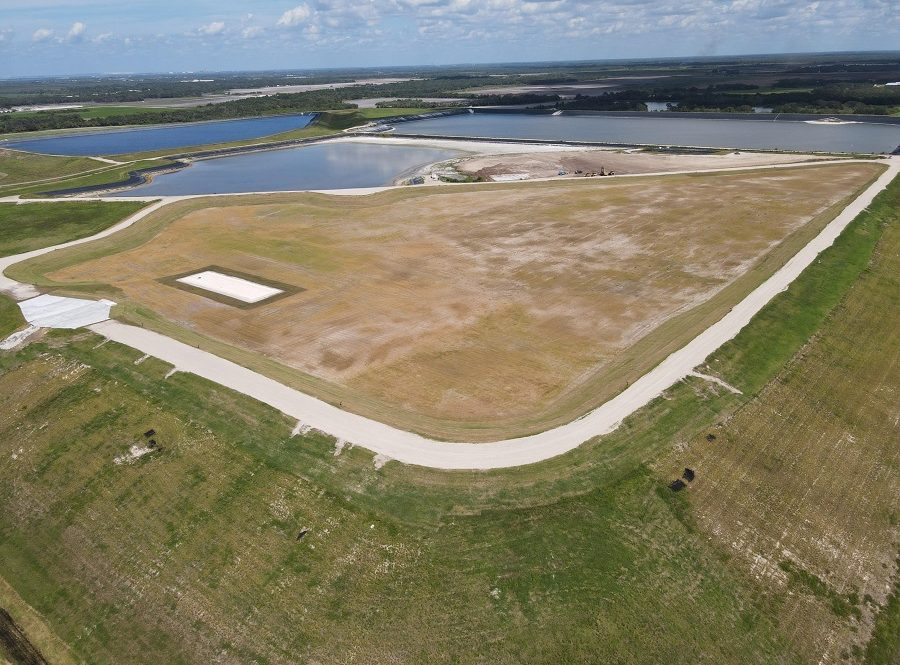
Piney Point sits at the center of one of Florida’s worst environmental disasters. For decades, workers transformed phosphate into fertilizer there, an everyday industrial process that left behind massive stacks of waste and contaminated water. These weren’t just your average leftovers; these were hazardous and supposed to be carefully contained.
In 2021, when Piney Point dumped over 215 million gallons of nutrient-heavy industrial wastewater into Tampa Bay, it wasn’t a minor blunder; it was a full-blown environmental crisis. Officials released this water to prevent a much bigger disaster: a massive dike collapse that could have flooded nearby communities. But that choice carried a distinct risk. The wastewater, loaded with nitrogen and phosphorus, matched a year’s typical nutrient pollution in just ten days. The flood severely affected nearby communities.
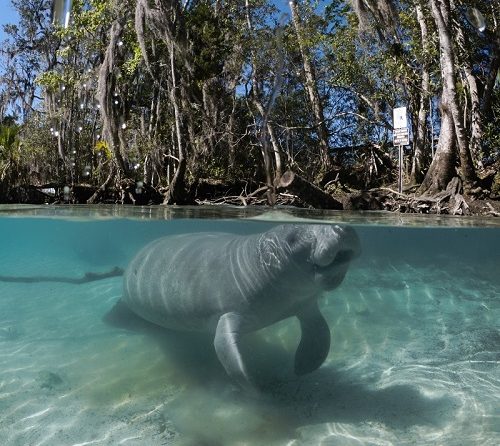
Red tide, driven by Karenia brevis, exploded that summer. These toxic blooms stretched all the way down Florida’s southwest coast, much bigger and longer-lasting than usual. Fish floated up dead by the hundreds of tons: over 600 tons of marine life perished. Dolphins, manatees, and sea turtles suffered as well. The polluted water didn’t just linger in one spot, either; studies found nutrient plumes traveled through Tampa Bay and even reached as far north as Tarpon Springs.
That flood of nutrients did lasting damage. Water quality plummeted. Seagrass beds and mangroves, both essential for marine habitats, took a hit after years of careful restoration work. In effect, an entire decade of progress disappeared almost overnight.
The state’s environmental agency insisted the water wasn’t radioactive. Although technically accurate, the water remained dangerously contaminated. In the end, emergency officials faced an impossible choice: either release the polluted water into Tampa Bay, or risk a catastrophic collapse and widespread flooding. The decision came with heavy consequences for the Gulf ecosystem.
Afterward, a federal judge held the plant operator, HRK Holdings, responsible and ordered Piney Point shut down for good.
Enter Herb Donica, a Tampa attorney and CPA. In August 2021, the court appointed him as the independent receiver, putting him in charge of cleaning up the mess. Donica’s job: manage water disposal, oversee site cleanup, and close the hazardous phosphogypsum stacks once and for all.
He set clear priorities. First, his team removed over 600 million gallons of water, pumping it deep underground, about 3,300 feet below the aquifer. As Donica points out, there’s no pond water left at the site. Next, they began sealing off what remained, layering liners, sand, soil, and grass over the stacks to lock away any lingering hazards.
Donica has a straightforward mission: stop anything like Piney Point 2021 from ever happening again. “All the water here is captured and managed,” he says. “We will no longer have the problem we saw in April 2021.”
His target? Finish the work by the end of this year. If all goes to plan, Piney Point and its notorious history will finally close for good.