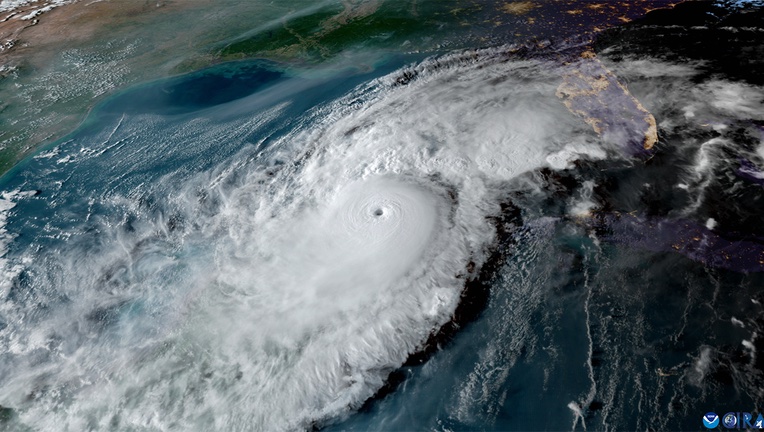
Hurricane Preparedness Week begins Monday, May 4, 2026, and with Florida’s hurricane season starting June 1, everyone across the state has a month to prepare.
If you’re feeling more anxious than usual, you’re not alone; AAA’s latest survey shows nearly one in five Floridians are more worried about this year’s storms than last year.
NOAA (the National Oceanic and Atmospheric Administration) is urging every Floridian to figure out their evacuation zone and build an emergency supply kit now. Don’t skip this. Insurance experts also say you should take a hard look at your homeowner’s policy, especially the fine print about flood coverage. Standard policies don’t cover flood damage, so if you need it, add it.
Looking at this year’s outlook, forecasters expect a slightly below-average season. That’s some good news. Colorado State University predicts 13 named storms, 6 hurricanes, and 2 major hurricanes. They say a strong El Niño will develop, which means more wind shear in the Atlantic. That knocks down the odds for big storms to grow or make landfall in the continental US.
But don’t let your guard down just because projections are a little tamer. The first week of May is Hurricane Preparedness Week, a perfect time to make sure you’re not scrambling when the storms come. Whether you’ve been through this before or it’s your first hurricane season, here’s what you need to know.
Start by understanding your risk. Hurricanes aren’t just a coastal thing. The effects of wind and water can stretch hundreds of miles inland, and a weak storm can still cause bad flooding. Know if you live in a flood-prone area or an evacuation zone. While you’re at it, check your house for possible weak spots; sometimes it’s a loose roof shingle or basement window that causes all the trouble. NOAA’s website has useful tools to check your risk level and evacuation information.
Don’t wait until the last minute to get ready. Put together a disaster supply kit with enough non-perishable food, bottled water, and medicine to keep your family going for at least three days. Make sure you have extra cash, a flashlight, batteries, and a battery-powered radio. Power can stay out far longer than anyone wants to admit.
Make time for an insurance checkup. Collect receipts, take photos of valuables, and write down serial numbers. You’ll need them if you have to make a claim. Update your family’s communication and evacuation plan now, even if you think you’re already set.
Learn how to read a forecast and know the difference between a watch and a warning. Forecasters and meteorologists will throw out a lot of terms during hurricane season. Focus on actual effects: storm surge, flooding, and wind damage, not just the category or size. Hazards often show up outside the official “cone” on the forecast. If you’re confused about storm jargon, NOAA’s website breaks it all down in plain language.
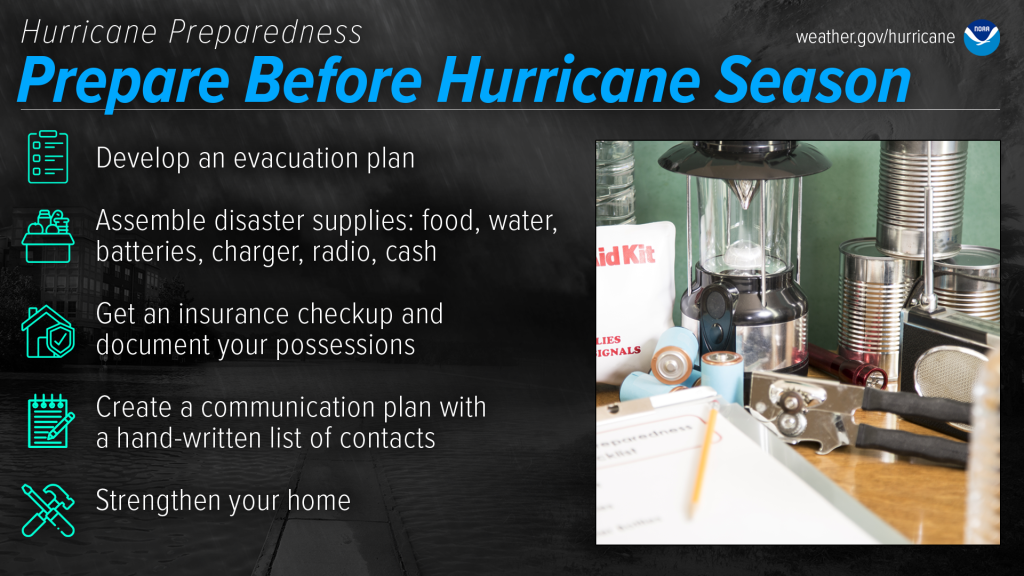
When a storm’s on the way, don’t hesitate. You should prepare your home immediately when watches or warnings are issued. Cover your windows, secure doors, and bring in anything that could blow away. Know where the shelters are, especially if you have pets. Fill up your car’s tank or get your EV charged. Double-check your “go bag”: medicine, important documents, snacks, and chargers. Charge your phone and make sure your neighbors, especially older adults, have help too. If officials call for an evacuation, don’t ride it out. Listen and head to safety.
During the storm, get to your safe spot. Stay away from windows and water. Make sure you have a way to get weather alerts, mobile apps, a weather radio, or even just text updates from family. Deadly hazards can reach far inland, so don’t let your guard down if you don’t live right on the coast. If you’re not under an evacuation order, stay off the roads.
When the storm’s over, danger isn’t gone. Almost half of hurricane-related deaths happen afterward. Don’t return home unless local officials say it’s safe. Watch out for downed power lines, damaged buildings, deep water, and heat. Clean up carefully: wear gloves, stay hydrated, and only run generators outside, at least 20 feet away from your house. Carbon monoxide kills.
If you haven’t started preparing, don’t put it off. Today’s the right day. Figure out your risks, build your plan, and make sure your family knows what to do before, during, and after the storm.
On a different note, every hurricane season has its own set of names. Since 1953, Atlantic tropical storms have gotten names, with the list now managed by the World Meteorological Organization. Here are the names for 2026:
Arthur
Bertha
Cristobal
Dolly
Edouard
Fay
Gonzalo
Hanna
Isaias
Josephine
Kyle
Leah
Marco
Nana
Omar
Paulette
Rene
Sally
Teddy
Vicky
Wilfred
Let’s hope they never have to use most of these. But if one shows up on the news, you’ll be ready.
For more in-depth information and check list details, check out NOAA’s weather.gov.