Long before anyone drove it, the Tamiami Trail was a path for people on foot and in canoes. For Florida’s original inhabitants, the wetlands weren’t an obstacle; they were a highway.
Most of the original settlers gravitated along the Gulf and Atlantic coasts, but smaller groups always lived deep in the interior, making a life in what we now call the Everglades and Big Cypress Swamp. When American speculators first dreamed up a road linking Tampa and Miami, the Seminole and Miccosukee still called the wetlands home.
Building the Tamiami Trail meant different things to every generation of Seminole and Miccosukee. Listen to those who grew up in the 1960s, in traditional Chickee camps, and you’ll hear stories about fighting for independence, pushing for education, protecting the Everglades, and holding onto their heritage. These kids learned to hunt and fish in the swamps, bathed in the canals, and lived with their extended families. They heard firsthand from their grandparents about surviving the Seminole War, stories of terror and resilience, not just names in a textbook. On the Trail, grandparents taught them to be wary of outsiders, to respect their elders, and to be ready for hard times. They learned humility and a deep sense of duty to family. Their stories make it clear: a few key role models and trailblazers in education changed the course of their lives.
At the turn of the 20th century, south Florida was wild and mostly untouched. You could get to Fort Myers by steamer from the north, and after 1904, by train, but there wasn’t a single road connecting the west coast to Miami.
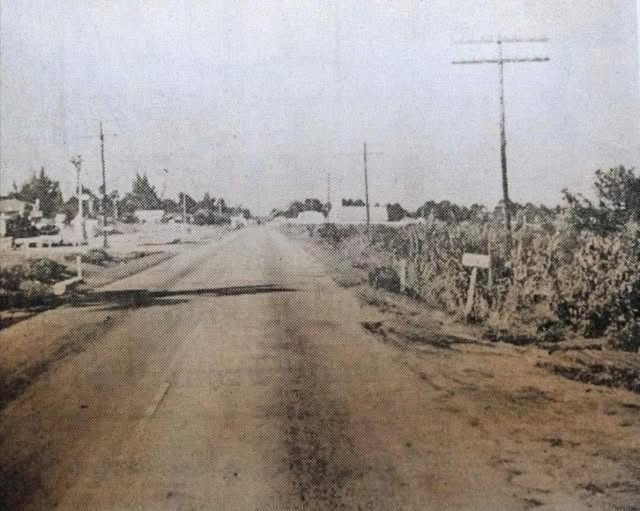
In 1915, plans for a road from Fort Myers to Miami grew into something bigger. E.P. Dickey from Tampa suggested stretching the route to Tampa and called it the Tamiami Trail.
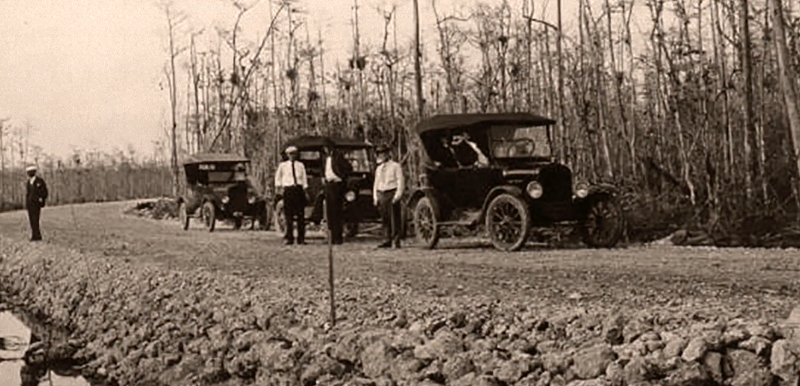
Surveying started across swampy, alligator-filled land, with Seminole guides leading the way. Progress was painfully slow. Drills would sink into the muck. Oxen dragged loads of dynamite to blast through limestone, which then became the road’s foundation. Thirteen years later, the Trail finally opened. In Sarasota County, it followed old roads from Sarasota to Venice, then wound down through Englewood. The grand opening came on April 25, 1928—the governor and a huge entourage drove the whole route to celebrate.
Now, the future of the Tamiami Trail (US-41) centers on restoring the environment. The “Tamiami Trail Next Steps” project focuses on reconnecting water flow to the Everglades by building bridges and raising the road. Cities like Sarasota are reimagining the North Tamiami Trail, adding sustainable design, new housing, and parks like The Bay to meet the needs of people and the environment.
As Tina Marie Osceola of the Seminole Tribe of Florida put it: “The Tamiami Trail is a living being. It has a heartbeat. The pulse of what is seen by many as a long road has been a lifeline for my family and many others.”