Retiring to Florida isn’t just for seniors. Elephants are heading south in growing numbers.
Back in 2016, thirty-five Asian elephants, former stars with the Ringling Brothers and Barnum & Bailey Circus, traded the spotlight for a quieter life at Florida’s White Oak Conservation Center. It didn’t happen by accident. Years of pressure from animal rights groups finally pushed the circus to retire its elephants, and soon after, the entire show shut down for good.
Helping and educating about elephants hasn’t been easy. Both African and Asian elephants have seen their numbers plummet over the last century. Poachers hunt African elephants for ivory, while Asian elephants lose their homes and clash with people. The African Elephant Conservation Act, passed in 1988, was a big breakthrough, finally putting some teeth behind efforts to stop the illegal ivory trade and protect these giants.
Florida’s Myakka Elephant Ranch
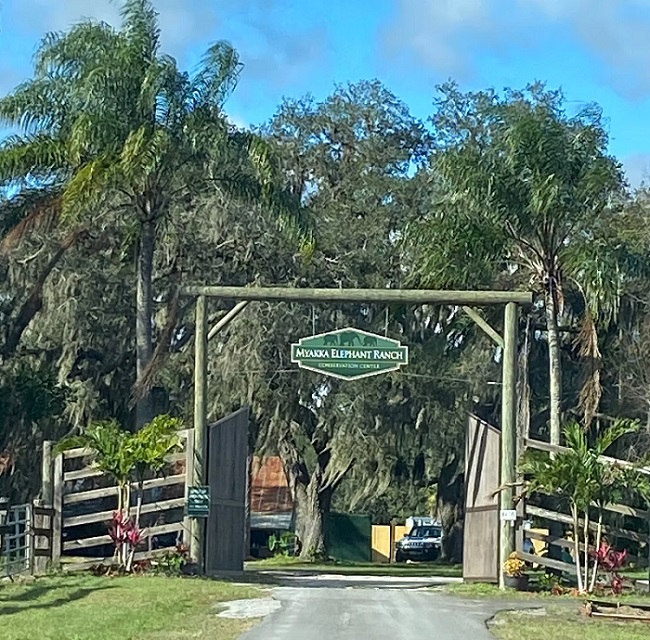
You’ll find the Myakka Elephant Ranch tucked away in the marshes outside Myakka City, about as close to an African savanna as Florida gets. The ranch covers ten acres and is home to two Asian elephants and one African savanna elephant.
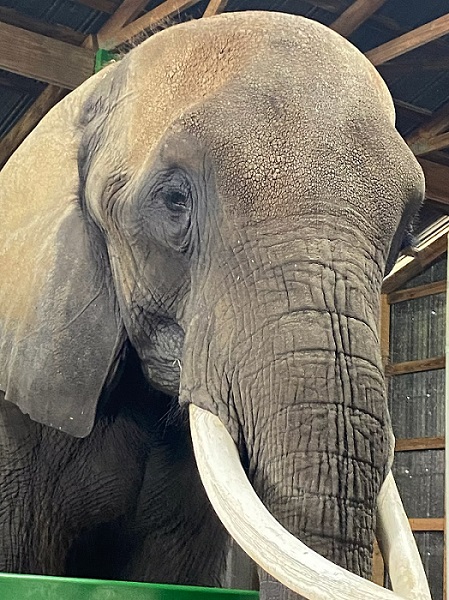
All three were out exploring the grounds. Lou, the African elephant and matriarch, stood comfortably in the barn, enjoying a little pampering. One guest gently brushed mineral oil on Lou’s toenails, her eyes closed, soaking in the attention. Was Lou loving her spa day or just putting up with it? Hard to say, but she looked relaxed.
“The main thing we do here is invite the public to help with the elephants’ daily care,” said Lou Barreda, CEO and president of the ranch.
The elephant Lou was named after Lou Barreda, and you can feel the connection between them. Lou the elephant nudges and plays with her human namesake, almost like siblings.
“We wash the elephants every day. Water’s key for their skin—it keeps them from drying out,” Barreda explained. “We let visitors pitch in with their baths, too.”
Once you’ve bonded with an elephant up close, you don’t forget it. Julia Braren, the ranch’s sales director, put it like this: “It tugs at your heartstrings. When you see them and learn about their decline, you want to help. You want to protect these incredible animals.”
And it’s true; elephants never forget. “They’re always searching for water,” Barreda told me. “If they find a good watering hole, they’ll remember it for years and come back, even a decade later.”
It’s not just watering holes they remember. If someone is kind or hands out treats, an elephant can pick that person from a crowd, years later. Their memory is legendary. Their sense of smell is impressive, as they can sniff out water from miles away.
Lou Barreda founded Myakka Elephant Ranch in October 2019, right after graduating from Florida Gulf Coast University. He went to South Africa for the 16th International Elephant Conservation and Research Symposium, met world leaders in conservation, including Deborah Olson from the International Elephant Foundation, and came home inspired. That’s when he launched a nonprofit focused on global elephant education and conservation, right in southwest Florida.
Conservation isn’t just a side note at Myakka; it’s front and center. “We want to grow,” Barreda said. “We’d love to buy the neighboring ten acres and give the elephants more room.”
But here’s the hard truth. Elephant numbers are dropping fast. Back in 1930, Africa had about 10 million elephants. Now? Only 400,000 to 450,000 remain. Asian elephants are even worse off; there are only about 40,000 left in the world. It’s a race against time to make sure they’re not just a memory.
Ivory poaching is at the heart of the elephant crisis. Barreda didn’t sugarcoat it: “Almost 100 elephants a day are killed due to poaching in Africa.” And it’s not just Africa; Asia’s elephants are in trouble too. It’s a fierce struggle for land and resources, with both sides paying a heavy price.
Myakka Elephant Ranch isn’t sitting on the sidelines. They send part of their proceeds straight to the Elephant Foundation, thanks to a partnership they set up. “Right now, we’re focused on building anti-poaching ranger stations in Uganda. We’re really excited about this, and we want to make a real impact. On top of that, every bit of support and every conversation about conservation helps us care for the three elephants here all year.”
You won’t see Lou, Cindy, or Carol giving rides or doing tricks at Myakka. There are no devices, no forced performances. The elephants just seem happy, playful, relaxed, and genuinely connected with the people around them.
Most circuses have stopped using elephants altogether. In 2004, the Detroit Zoo became the first major zoo in the United States to close its elephant exhibit for ethical reasons. Two years later, the Bronx Zoo shut its exhibit after its last three elephants died. By 2012, The Seattle Times reported that over 22 zoos had either closed or announced plans to close their elephant exhibits, including big names in Seattle, San Francisco, and Chicago.
In 2011, the Association of Zoos and Aquariums, responsible for accrediting zoos across the U.S. and beyond, rolled out new minimum requirements for elephant space and group size. That move pushed even more closures, driven by both moral and financial realities. The world is seeing elephants for who they really are, and that’s changing everything.
“Our organization is built on education, conservation, and experience,” Braren said. “Sharing our love for elephants, teaching people how to protect them — that’s changed so many lives. There’s a real connection here. And honestly, showing people how to help these animals feels amazing.”
“These elephants are ambassadors for their wild cousins,” Barreda said. “Every new supporter helps. The more people we reach, the more hope we have to save these elephants.”
Want to learn more? Visit myakkaelephantranch.org.