
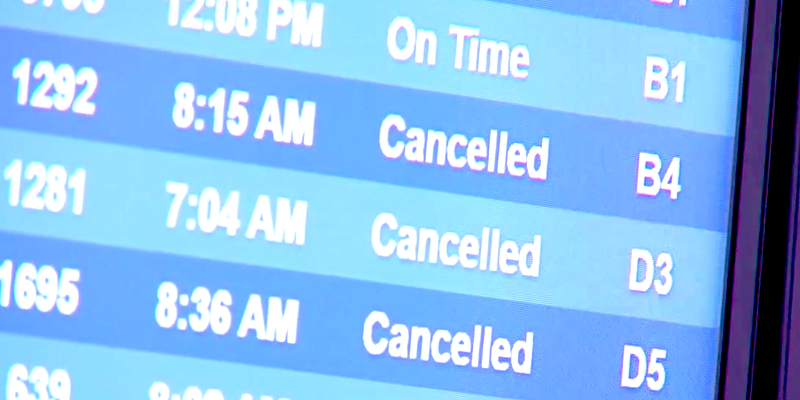
Travelers at Southwest Florida International Airport found themselves glued to weather updates as a major winter storm barreled through the north and east coast.
Flights to cities like Chicago? Already canceled. Some people now weigh whether to stay longer in Florida’s sunshine, while others with plans up north just cross their fingers and hope their flights dodge the worst of the storm.
Winter Storm Fern? Or is it Benjamin?
As of January 25, 2026, Winter Storm Fern, some folks are calling it Winter Storm Benjamin, has slammed into the U.S., stretching its reach from Texas to New England. Over 200 million people are in its path.
The National Weather Service now leans on new AI-driven forecasting models, which let them track and time these enormous systems with more accuracy than before. But while AI sharpens the forecasts, it’s also muddying the waters: officials keep flagging fake, AI-generated snowstorm photos making the rounds online. Those viral images of towering snow walls? Don’t believe them.
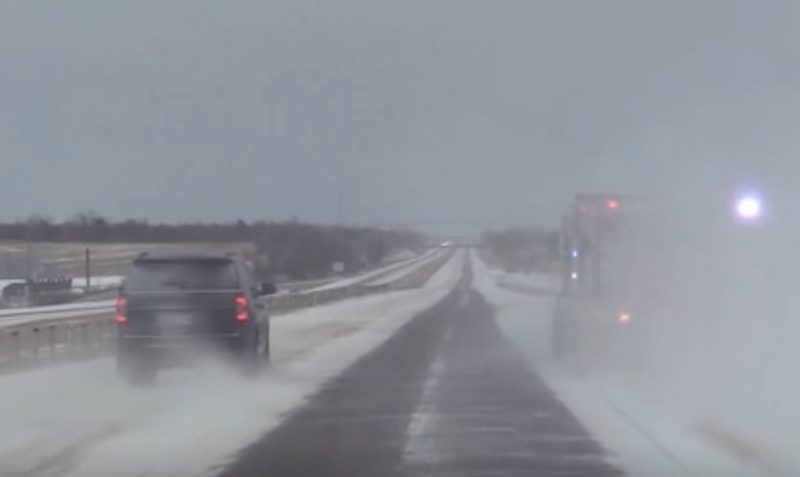
Right now, the storm’s doing actual damage. Over 700,000 customers, mostly across Louisiana, Mississippi, Tennessee, and Texas, have lost power. Ice is piling onto power lines, snapping them under the weight. Air travel’s a mess too; over 10,000 flights for Sunday got canceled, and the chaos is hitting big hubs like Charlotte, Atlanta, and all around New York. President Trump has declared emergencies in a dozen states, stretching from South Carolina up through Virginia, Maryland, and North Carolina.
The cold’s another story. Temperatures in Massachusetts will plunge as low as -37°C, with wind chills in the Midwest dropping to a brutal -40°C. Snow totals are piling up fast. Parts of New York, Connecticut, and Massachusetts could see up to two feet by Monday morning. In D.C. and Baltimore, snow is mixing with sleet and freezing rain, making for 6 to 12 inches of heavy, messy accumulation. Ohio’s bracing for up to 13 inches, and some counties have already issued level 2 emergencies. Down South, it’s not snow but thick ice that’s the problem, up to half an inch in places, stretching from the Lower Mississippi Valley into the Carolinas, threatening roads and power lines.
By Monday morning, the storm should move off from west to east, but it’ll leave a wintry mess behind. Refreezing will keep roads slick and dangerous long after the snow stops falling.
Meanwhile, Florida travelers are scrambling to rearrange travel plans. Airport officials say most flights still run, but delays loom. Their advice is simple: check your airline’s website constantly for the latest updates.
The National Weather Service tracks every twist and turn of the storm, giving real-time forecasts to help everyone, whether they’re trying to depart or just waiting for loved ones to arrive.