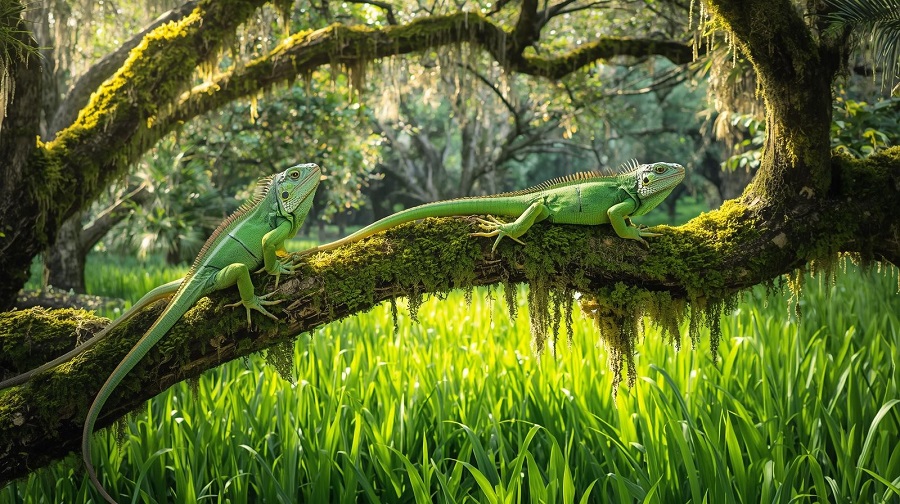
South Florida doesn’t get snow very often, but even when it’s freezing, cold snaps send iguanas plummeting from the trees. That’s when residents take advantage and try to get a handle on the area’s iguana problem.
Earlier this week, arborists teamed up with the Florida Fish and Wildlife Conservation Commission (FWC), rounding up dozens of iguanas, lizards frozen stiff, practically waiting to be picked up.
The FWC temporarily suspended the usual rules for handling green iguanas because of record low temperatures. The FWC issued an emergency order: anyone could collect these cold-stunned reptiles and bring them in.
Why the urgency? The iguanas aren’t dead, just helpless in the cold. This is the best time to gather them up before they recover and scatter. Toss a stunned iguana in a cloth bag, tie it off, stick it in a secure container, and head over to an FWC drop-off site.
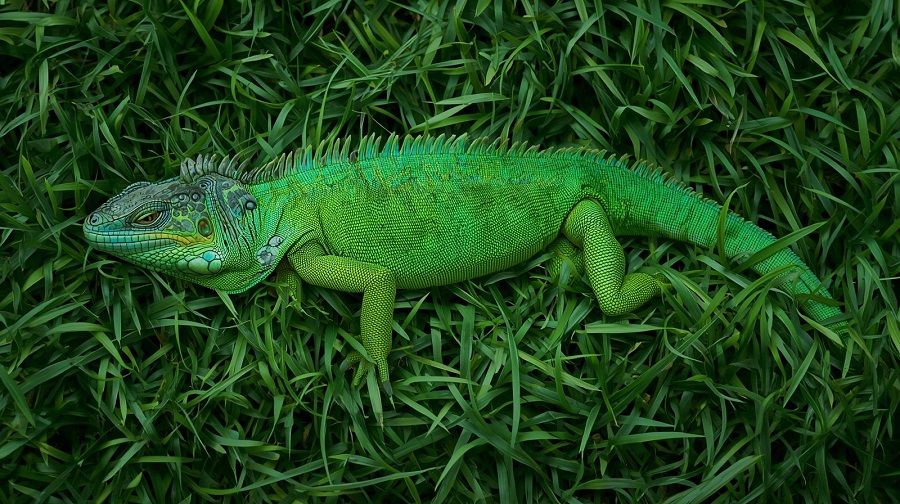
On Sunday and Monday, February 1 and 2, 2026, more than a thousand green iguanas ended up in the hands of Florida wildlife officials, all thanks to that arctic blast. As temperatures plunged, iguanas started raining down, literally frozen where they clung.
Some just watched, but plenty more grabbed gloves and got to work. They scooped up these invasive lizards and rushed them over to the FWC. The aim: humane euthanasia, or in some cases, release to people with the right permits.
The FWC’s Sunrise office alone processed over a thousand iguanas in a single day. One person brought in fifty to a hundred; another claimed he’d collected over a hundred pounds of iguanas in less than an hour. There were even stories about people trying to revive the lizards with towels or blow dryers in their cars.
Don’t do that, says FWC. There are rules. The temporary order lets you capture cold-stunned green iguanas, but only for a brief window, and you’re supposed to bring them straight to the drop-off sites.
If you’re collecting, FWC has a few tips: wear gloves, long sleeves, and pants to avoid scratches. Put iguanas in a tightly sealed cloth bag—nothing else. That bag goes inside a locked container labeled “Prohibited Reptiles.” Don’t hold on to them; get them to FWC before they warm up and make a break for it.
Keep the bags sealed while you’re transporting them and don’t open them until you’re handing them to the FWC staff. If the iguanas warm up, they’ll recover fast and could dash off.
When temperatures dip near freezing, green iguanas and plenty of other reptiles just shut down. They lose muscle control, sometimes fall from trees. FWC says don’t bring cold-stunned iguanas inside to “save” them, and don’t try to warm them in your car unless you’re taking them straight to an FWC office. Leave rescue operations to the professionals.
FWC has been working with the pet trade and licensed collectors for years. The goal is to find a humane, practical use for all these reptiles brought in by the public.
Iguanas threaten native wildlife, including eating tree snails and the host plants of the endangered Miami Blue butterfly. They tear up canal banks, put water-control structures at risk, and devour gardens and exotic plants. For a few days, South Florida gets a rare shot at shrinking the local iguana population.
One quick warning: always wear gloves when handling iguanas. Many people have a negative reaction when touching their skin. Take care out there.