
A week has passed since the measles outbreak started at Ave Maria University in Collier County, and the state still hasn’t officially confirmed cases in Southwest Florida. The outbreak has already reached 20 confirmed cases, all traced back to the university community.
Measles spread fast. The virus hangs in the air for up to two hours after an infected person leaves, so it doesn’t take much for an outbreak to get out of hand. Instead of confirming cases publicly, the state Department of Health in Collier County (DOH-Collier) posted a notice online, promising more resources to monitor suspected measles and stop it from spreading further.
If you check the state’s infectious disease website, you won’t find any mention of the 20 confirmed cases at Ave Maria. The official data only goes up to January 24th, showing zero Collier cases at that point. When the site finally updated on February 5th, it listed just four cases in Collier and one in Lee County. The real numbers? They come from Mater Dei Clinic, a small clinic in Ave Maria, which has been the main testing site since the outbreak began on January 29th. The DOH and the university have been unresponsive despite repeated questions from the press. Lee County’s lone case remains a mystery, with no details available.
Ave Maria is a growing town of about 7,400 people. The university itself has about 1,500 students. After they confirmed the first two cases, Mater Dei Clinic quickly became the go-to place for testing. Since then, the DOH and the university have set up their own testing sites and started contact tracing.
The campus isn’t sharing any test results. No one outside Ave Maria knows the true scope of the outbreak, including how many students or faculty have tested positive. The official DOH notice says they’re working closely with the university and offering pre- and post-exposure resources. People who think they’ve been exposed or want preventive measures can contact DOH-Collier for help.
So far, there’s no sign measles has spread beyond the university, but it’s early. Symptoms can take a week or more to appear.
Cases Reported Around the State
Statewide, Florida’s disease tracker lists 15 measles cases in January across nine counties: Collier, Lee, Alachua, Broward, Duval, St. Johns, Manatee, Hillsborough, and Miami-Dade. The DOH’s Collier County website directs people to the statewide database, Florida Charts, for more information. The site is dated and shows a 10-year history with 2024 as the most recent year. It offers only limited recent figures.
Last year, Florida Surgeon General Joseph Ladapo announced his intention to end vaccine requirements for children in public schools, sparking pushback from local officials. Ladapo doesn’t actually have the power to eliminate all vaccine mandates. Repealing requirements for MMR, polio, diphtheria, and tetanus takes legislative action.
Measles is one of the most contagious viruses on the planet. Unvaccinated children face the highest risk, but anyone without immunity, including those with compromised immune systems, can get sick. The virus can linger long after an infected person leaves a room, putting unimmunized people in danger if they walk in afterward.
So far in 2024, Florida is one of 17 states wrestling with measles outbreaks, all fueled by declining vaccination rates. The numbers may look small, but with a virus this contagious, even a handful of cases can set off alarm bells.
If someone with measles walks into a room full of unvaccinated people, almost everyone will get sick; nine out of ten, according to the National Foundation for Infectious Diseases. The Centers for Disease Control and Prevention already counted 588 confirmed measles cases in 2026, spreading across 17 states, including Florida. The list stretches from Arizona and California all the way to Wisconsin and Virginia.
Last year, the U.S. saw 2,267 measles cases. Fewer children are getting vaccinated. National immunization rates for school-age children dropped from 95% in 2019 to just 92% in 2023. Harvard Health Publishing notes that this is insufficient for herd immunity.
What’s driving this drop? Vaccine hesitancy and misinformation. These two forces have paved the way for more outbreaks, all of them preventable. The virus itself is stubborn. If a child without immunity walks into a room where someone with measles was two hours ago, the virus can still infect them. That’s how easily it spreads.
What does measles feel like?
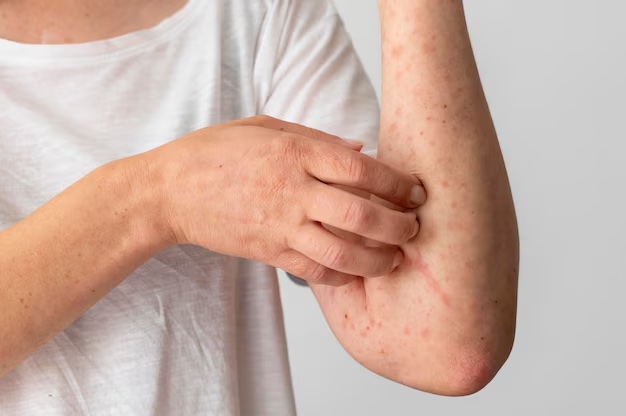
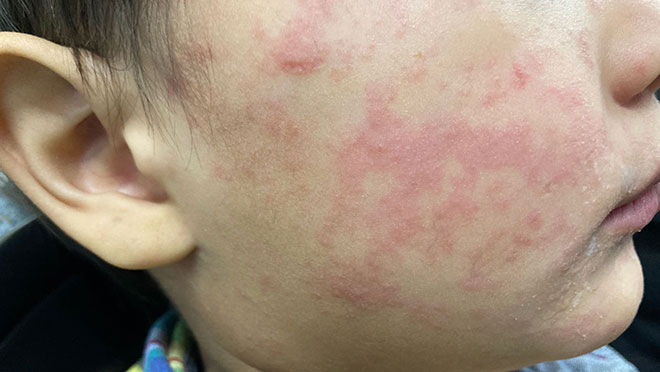
It’s no mild illness. Measles can be miserable and, sometimes, deadly. The infection starts with a high fever (sometimes spiking above 104°F), cough, runny nose, and red, watery eyes. After a few days, a rash breaks out on the face and soon covers the body. If complications set in, things get much worse: ear infections, pneumonia, or encephalitis, the brain inflammation that can cause permanent damage or even death. Symptoms usually show up 7 to 14 days after exposure and, without complications, the illness lasts about a week.
Anyone can get seriously ill from measles, but some groups face higher risks. Young children under five, adults over twenty, pregnant women, and people with weakened immune systems, like those with leukemia or HIV, are especially vulnerable to dangerous complications.