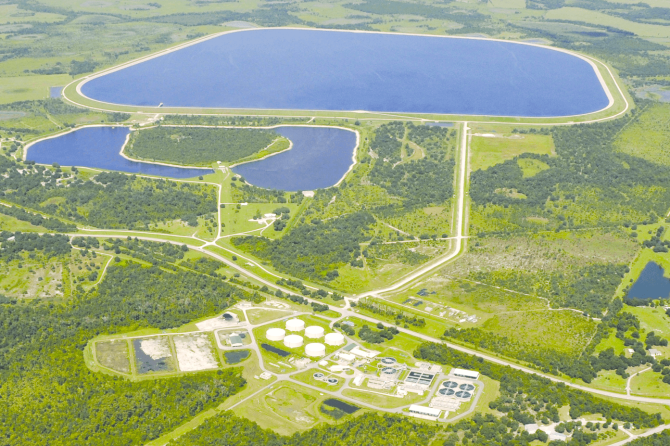
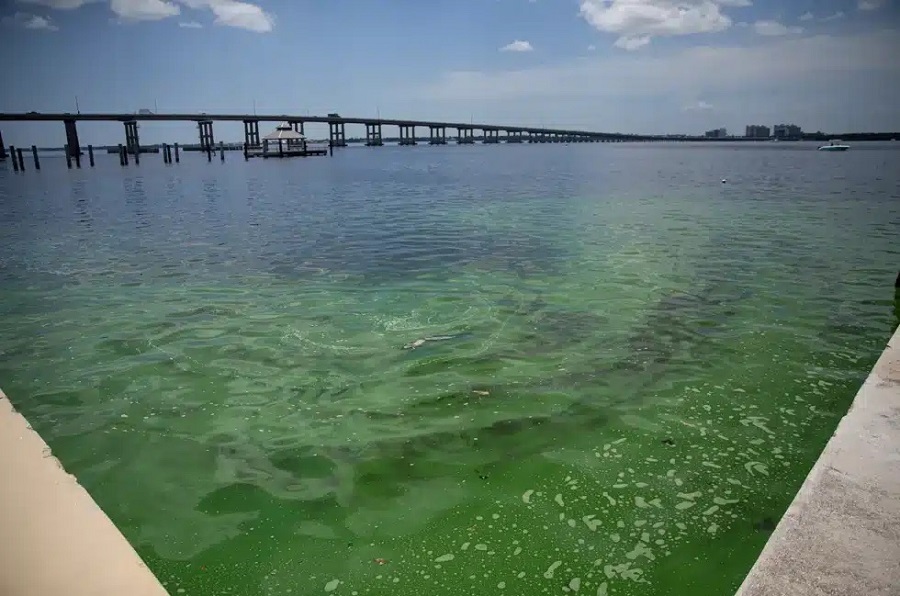
Bright green streaks of blue-green algae now stretch across the Caloosahatchee River. Weekend aerial photos show the river mottled with blooms, colorful on the surface, but a warning sign for the water below.
At first, the scene almost looks calm. But those green patches mean cyanobacteria, or blue-green algae, have taken hold. This isn’t just a problem in quiet backwaters. The bloom has moved into the main river channel.
These blooms thrive when they get three things: warm water, plenty of sun, and nutrients. Every time runoff pours through the river basin, that perfect recipe comes together fast.
Calusa Waterkeeper’s latest reports point the finger at agriculture. Most of the river’s nutrients come from surrounding farmland. Water releases from Lake Okeechobee and runoff from nearby basins add to the mix.
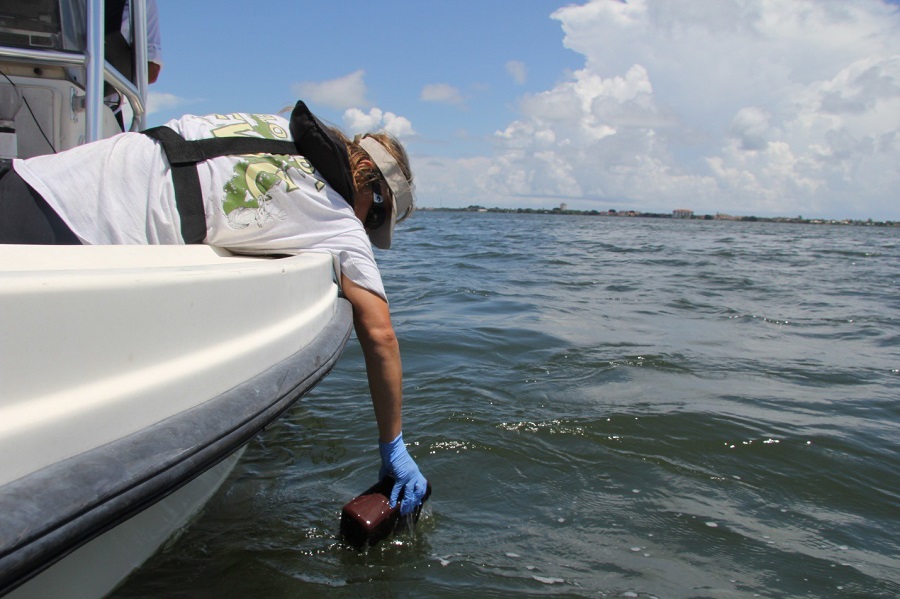
As of February 13, 2026, the Florida Department of Health in Lee County lifted the health alert first issued on February 5 for blue-green algae toxins in the Caloosahatchee River-Sebastian Canal. Follow-up tests by the Department of Environmental Protection found no toxins in the samples, so public water activities are back on.
Still, the situation can change quickly. Algae blooms pop up fast when conditions shift. If you spot a bloom, stay out of the water. It’s not worth the risk.
You can always check the latest water sampling results on Protecting Florida Together.
What exactly is blue-green algae?
Despite the name, these are bacteria common in Florida’s freshwater. When they multiply rapidly, the water discolors and floating mats form, sometimes with strong, unpleasant smells. Blooms show up as scum, foam, or streaks of color, even paint-like smears on the water. Curious what that looks like? Protecting Florida Together has photos and details.
Sunny days, warm water, little movement, and extra nutrients all fuel these blooms. They can appear throughout the year, but summer and fall are the peak seasons. Many blue-green algae produce toxins. Even if you don’t see a bloom, the bacteria can still be present in the water.
Are these blooms dangerous?
They can be. Blue-green algae sometimes make toxins that harm people, pets, fish, and other wildlife. Some people, especially kids, older adults, and anyone with a compromised immune system, face higher risks, even if toxin levels are low. Best to steer clear if you’re in those groups.
For more on health risks, check the Florida Department of Health’s harmful algae blooms page.
Want to know the latest on water quality or public health alerts? Protecting Florida Together posts updates and lets you sign up for notifications about your area.
Need to report an algae bloom? The DEP tracks them and handles reports, so go online or call 1-855-305-3903. If you or someone you know feels sick after contact with a bloom, reach out to the Florida Poison Information Center at 800-222-1222. Concerned about your pet? If your pet contacted contaminated water, call your vet.
Noticed dead or strange-acting fish or wildlife? Report it to the Florida Fish and Wildlife Conservation Commission (FWC) online or at 800-636-0511. For more information, contact Calusa Waterkeeper or Protecting Florida Together.
And if you have other questions about blue-green algae, DOH-Lee is available at 239-690-2100.