
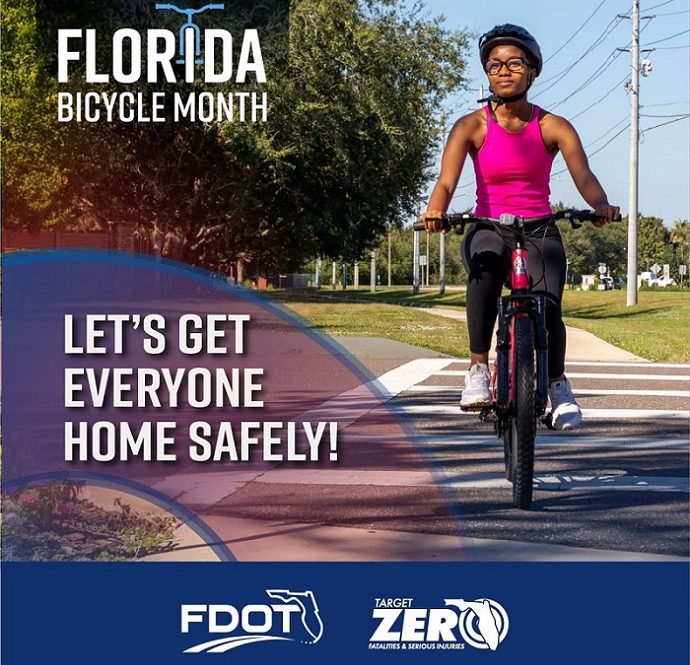
Florida Bicycle Month is the perfect time to talk about sharing the road and looking out for each other. Whether you’re on two wheels or four, you have a part to play.
If you’re riding a bike, stick to the rules of the road. Ride in a straight line, follow traffic laws, and make sure you’re easy to see. Bright clothes and lights help a lot, especially at night.
Drivers don’t zone out. Keep an eye out for cyclists, especially at intersections and crosswalks. If you need to pass someone on a bike, it’s legal in Florida to cross a double yellow line, as long as you give them at least three feet of space.
Bikes aren’t just for getting around; they’re great for exercise and stress relief too. Regular riding boosts your heart health and keeps your joints moving.
A lot of serious crashes involving pedestrians happen at night or when it’s getting dark. If you’re driving, be extra careful during these hours, and watch for people walking or biking. Cyclists, make yourselves visible with headlights, taillights, and reflectors. Light or reflective clothing goes a long way in helping drivers see you.
No matter how you travel, walking, biking, or driving, leave drugs and alcohol out of the equation. Impairment slows your reaction time and clouds your judgment, which can put everyone at risk. Make plans if you’ll be drinking or using drugs. If you’re not safe to drive, you’re not safe to bike, either. Call a friend or use a rideshare.
In Florida, authorities classify bikes as vehicles, though they do not offer the safety features of a car, including seatbelts and airbags. That makes cyclists vulnerable, so drivers need to give them space: at least three feet when passing.
Bikes are smaller and harder to spot than cars. Stay alert. And for cyclists, a well-fitted helmet can really reduce the risk of a head injury. If your helmet’s ever been in a crash, replace it. Make sure the chin strap is snug, with only two fingers between your chin and the strap, and that the helmet doesn’t wobble when you shake your head.
Bike lanes marked with pavement stripes offer a buffer between cyclists and cars. Treat the bike lane like any other travel lane—follow the same rules you would if you were driving. Cyclists, use hand signals to show your intentions at intersections.
Everyone deserves to get where they’re going safely. That’s the whole point, no matter how you travel. If you want to explore more bike-friendly routes, check out TrailLink at traillink.com.