
Here we are again; St. Patrick’s Day is around the corner. For one day, millions of people around the world willingly line up for boiled meat and green drinks and, somehow, they’re genuinely happy about it.
St. Patrick’s Day is the only holiday where your stomach probably wonders what it did to deserve this treatment. If you’re new to the party, the menu looks like a dare. But for the Irish, and everyone claiming honorary status for the day, it’s a wild mix of tradition, survival, and, let’s be honest, way too much food coloring.

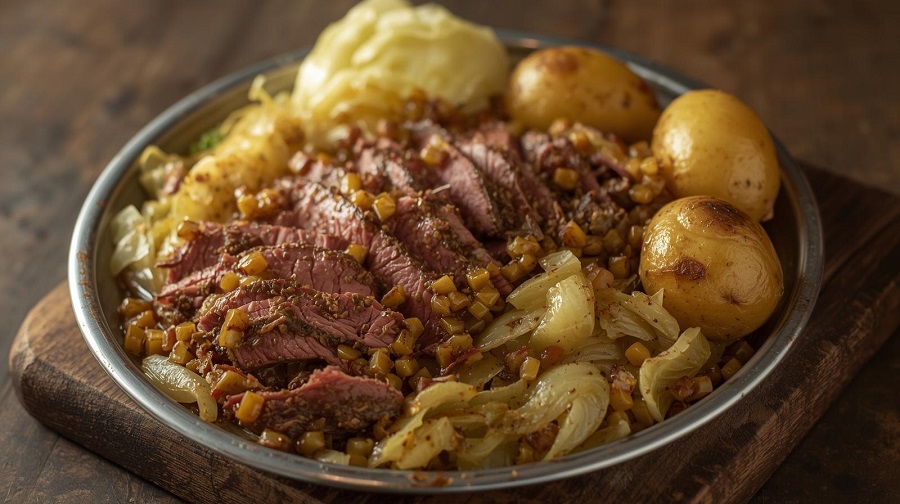
Let’s talk about corned beef, the main event. Here’s the thing: if you tried serving this to St. Patrick himself back in the day, he’d probably ask why you’re chewing on salty, ocean-flavored shoe leather.
Ireland’s original favorite? Pork. Cows were a big deal there, milk machines and status symbols, not lunch.
And the “corned” bit? Not even about corn, it’s about big salt crystals used to keep the meat from going bad. The whole tradition actually kicked off in New York, when Irish immigrants went for the cheapest cut at Jewish delis. Suddenly, corned beef and cabbage was a thing, a cross-cultural experiment that proves salt and patience can turn just about anything into dinner.
Now, let’s discuss the whole cabbage thing. It’s not glamorous. It’s the minivan of vegetables: practical, reliable, never exciting. But it was cheap, hit its stride in March, and when you boil it with the beef, it soaks up enough salt to make you question your life choices. Hydrated and parched at the same time? Welcome to Irish cuisine.
Then there’s Colcannon. You want to sound fancy while eating mashed potatoes? Call it Colcannon. It’s a mix of potatoes, kale or cabbage, and an irresponsible amount of butter. Old-school tradition says people used to hide trinkets in the mash: a ring meant marriage, a coin meant wealth, and if you found a tooth, you probably needed to work on your mashing technique.
Of course, we can’t skip the green beer. Not exactly a food group, but it powers most St. Patrick’s Day celebrations. A New York doctor dreamed it up back in 1914 using some kind of laundry whitener. It’s a drink that looks the same going in as it does coming out. Enough said.
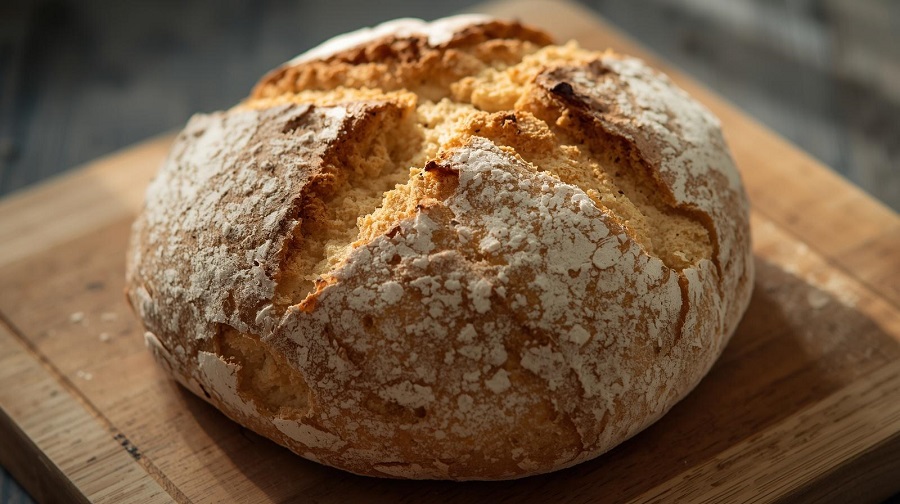
Last, Irish soda bread. It’s dense, a little rough around the edges, and uses baking soda instead of yeast because Irish wheat just couldn’t handle the usual rise. The cross on top? Some say it drives out the devil; others say it just helps the loaf bake through. Either way, slather it in butter and use it to soak up every salty bite on your plate.
So as we celebrate St. Patrick’s Day, and as you dig into your green-tinted meal, remember you’re not just eating. You’re taking part in a centuries-old tradition of making the best out of what you’ve got.
Sláinte!