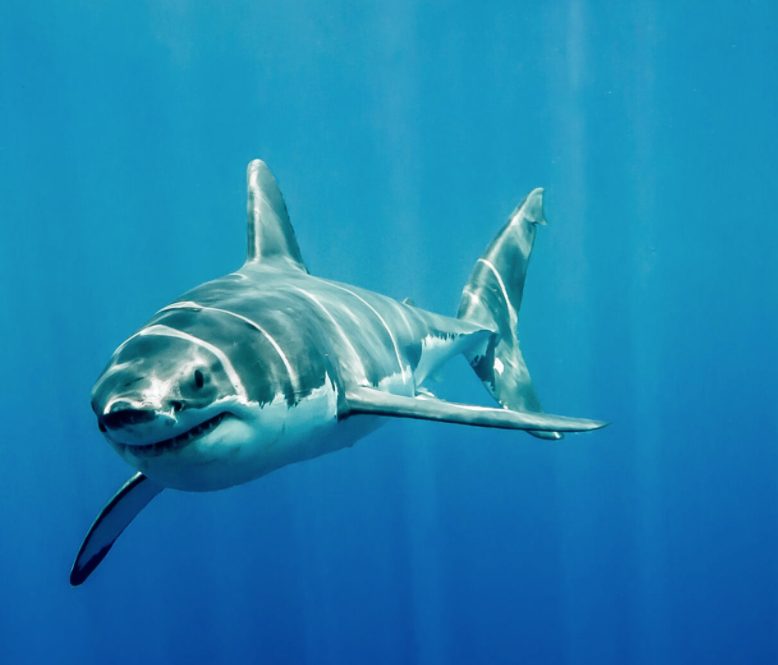
Spring breakers aren’t the only ones making waves along Florida’s Gulf Coast. Bella, a juvenile great white shark stretching 10 feet and tipping the scales at 729 pounds, just showed up off Sarasota.
OCEARCH’s data confirmed Bella pinged twice, once around 3 p.m. Sunday, March 8, and again Monday afternoon, about 50 miles out from shore.
Her appearance here isn’t random. It’s just another leg in a massive 4,200-mile migration, which started last July when researchers tagged her in Nova Scotia. With the warm spring sun tempting revelers and sharks alike, Bella’s seasonal arrival fits right into the migration patterns seen year after year.
Great whites move from the chilly waters of New England and Canada down to the Gulf of Mexico each winter and early spring, drawn by the changing seasons and warmer currents.
She’s not swimming alone, either. OCEARCH scientists are tracking more North Atlantic great whites, like Ernst, a hefty 12-footer, and Ripple, who measures 11 feet, ranging through the Gulf and off the Carolinas this spring. It’s a busy season for these giants.
Of course, the idea of a massive shark nearby might make some people flinch, but experts at the Florida Fish and Wildlife Conservation Commission say there’s no need to worry. Great whites like Bella usually stay well offshore, and shark activity along Florida’s beaches actually peaks between April and October, when most tracked sharks remain out of sight.
Bella’s got a special name, honoring one of OCEARCH’s Florida supporters, and her journey isn’t just a curiosity; it’s crucial for scientists who want to understand migration routes and habitat use for these vulnerable sharks. If you want to monitor her travels, you can watch her movements in real time with the OCEARCH Global Shark Tracker.
And don’t think Englewood gets a break just because all the headlines say Sarasota. This March, the Gulf off Englewood is more than a pretty backdrop; it’s a thoroughfare for sharks. Even though folks around here usually picture great whites as East Coast visitors, recent OCEARCH tracking shows the Gulf is essential for their winter migrations.
As spring break hits, several tagged sharks have pinged near Sarasota and along the West Florida Shelf. They’re like the snowbirds of the sea, sticking to deeper, cooler waters 20 to 40 miles offshore, chasing prey along the continental shelf. While seeing one breach near Englewood’s beach is rare, it’s not impossible, and the odds of a thousand-pound shark just past the horizon are higher this spring than most people realize.