Early hurricane season forecasts are already coming out, and more will follow soon. We’re only about two months away from the official June 1 start in the Atlantic. On March 25, AccuWeather released its outlook for 2026. Colorado State University’s team usually shares theirs in early April, then NOAA publishes its forecast in May. Others will weigh in too.
Meteorologists expect a strong El Niño to develop this summer. Usually, that means Pacific conditions will help hold back some storms in the Atlantic. But don’t get lulled into a false sense of security. Some of the country’s worst hurricanes barreled in during El Niño years, like Michael in 2018 or Andrew in ’92.
If you live anywhere within hurricane reach, take the same precautions every season, no matter what the forecast says. Hurricanes can hit far from the coast, and their effects travel deep inland. Just because you’re not on the water doesn’t mean you’re safe.
As a former FEMA administrator and Florida’s state emergency management director, Craig Fugate expresses it perfectly: these forecasts do not intend to show your house’s safety. People hear “El Niño will suppress storms” or “below-average season” and think, “I’m probably fine.” History proves otherwise. Seasonal forecasts show how busy the ocean might get. Disasters happen because of landfall, or where a storm actually goes. So, El Niño might lower the numbers, but it doesn’t lower your risk. Prepare the same every year. It only takes one storm to turn everything upside down. 1992 is a perfect example: only seven storms got named, but Andrew was one of the costliest hurricanes we’d seen.
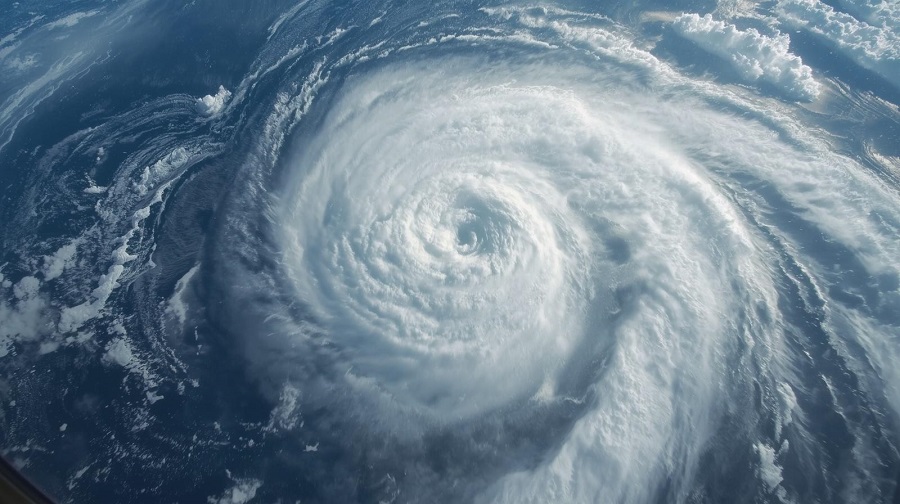
So, what’s AccuWeather predicting for the 2026 hurricane season? Their experts focus on two big worries: the bathwater-warm ocean and how storms are rapidly intensifying right off the coast. El Niño might limit the overall number of storms, holding activity near or even below normal as summer goes on. Here’s how their numbers break down:
– 11 to 16 named storms
– 4 to 7 hurricanes
– 2 to 4 major hurricanes (Category 3 or stronger)
– 3 to 5 storms directly impacting the U.S.
AccuWeather points to an increased risk for the northern and eastern Gulf Coast and the Carolinas. Central and southern Texas face a lower risk. The 30-year average sits at 14 named storms. This year, AccuWeather sees a 40% chance we get more than that, and a 15% shot at over 16 storms.
Alex DaSilva, AccuWeather’s lead hurricane expert, keeps it simple: everyone from South Texas to Maine needs to be ready, no matter what the forecast says.
What about El Niño’s influence? When El Niño forms along the Pacific equator, it weakens the trade winds, which usually means more wind shear over the Atlantic. That can disrupt hurricanes. Still, the Gulf of Mexico is a wildcard. Fugate puts it plainly: “The Gulf plays by different rules.” Local conditions can outweigh long-range predictions, and things move fast. A tropical storm can turn into a major hurricane so quickly, people hardly have time to prepare.
The real anxiety-builder this year: ocean temperatures. Warm water fuels hurricanes, and as DaSilva notes, the Atlantic is already heating up. It could get “exceptionally warm” by summer. That’s bad news, as storms forming near the coast have a straightforward path to rapid intensification, giving people even less time to react. We’ve seen it before, like in 2018 when Michael’s top winds jumped from 115 to 160 mph in less than 24 hours.
Looking back, the 2025 season was unusual. The U.S. mainland didn’t see a hurricane make landfall, a first in a decade. There were three Category 5 storms, including Hurricane Melissa, which devastated Jamaica and the Caribbean. Ninety-five people died. They named 13 storms; five grew into hurricanes, and four became major ones.
For 2026, here’s the list of names NOAA set aside for the storms:
Arthur
Bertha
Cristobal
Dolly
Edouard
Fay
Gonzalo
Hanna
Isaias
Josephine
Kyle
Leah
Marco
Nana
Omar
Paulette
Rene
Sally
Teddy
Vicky
Wilfred
Storm activity is always worth taking seriously. Forecasts help, but they guarantee nothing about your neighborhood. Prepare every year, because you don’t want to be caught off-guard when the big one finally aims your way.