
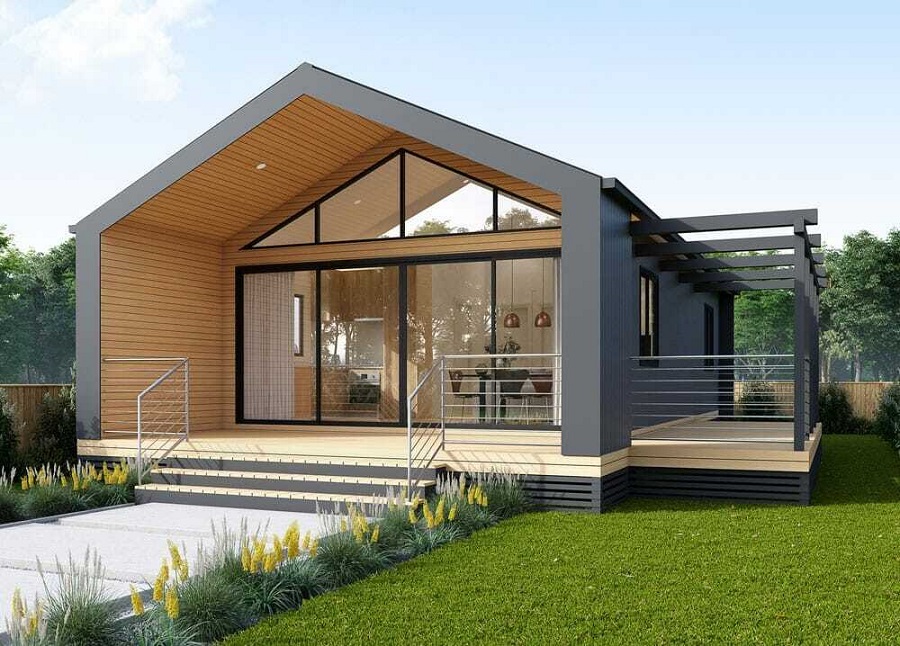
Granny flats, officially known as accessory dwelling units or ADUs, are suddenly in the spotlight as Florida searches for answers to its housing crunch. These aren’t some futuristic experiments. They’re small, fully equipped homes tucked onto the same property as a traditional house. Think backyard cottages or converted garages. The appeal? You get more use out of the land you already have, without bulldozing neighborhoods or waiting years for enormous apartment complexes to go up.
Flexibility is the big draw. Florida’s population keeps growing, and housing just can’t keep up. ADUs give homeowners more options. Some rent them out for extra cash. Others use them for aging parents or adult children who can’t quite afford their own place. They even open the door for first-time buyers who need something smaller and less expensive. Single-family homes can’t meet all these needs; ADUs step in where the market falls short.
Lawmakers have noticed. Florida’s Live Local Act, for example, tries to make it easier and faster to build these units by skipping some of the local hurdles that usually slow projects down. Cutting out pointless red tape matters—a lot. Still, everything depends on how local governments respond. If cities refuse to update old rules—like requiring too much parking or capping the size of ADUs—the potential fizzles.
Let’s be honest, though: ADUs alone won’t solve everything. They’re just one tool in Florida’s bigger housing toolbox. But if state and local leaders actually embrace them, granny flats could help stabilize rents, offer more housing choices, and make owning a home less out of reach for many people. The numbers make sense, too, assuming everyone gets on board and clears the path.