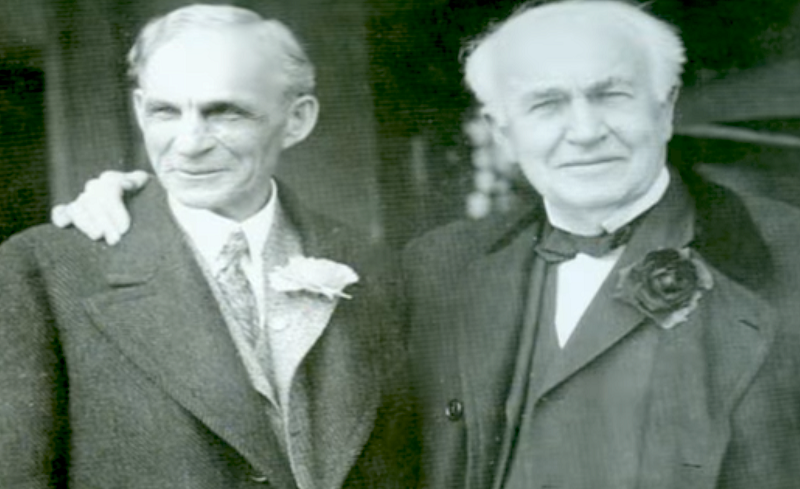
Everyone knows Thomas Edison and Henry Ford’s inventions, but not as many people realize they were also some of Florida’s first “snowbirds.” Long before spring breakers took over, these two spent their winters soaking up the sun in the Sunshine State, while most folks up north were shoveling snow.
Edison first landed in Fort Myers in 1885, on his doctor’s orders. The warmer climate was supposed to help his health, so he bought land along the Caloosahatchee River and built a house the next year. Ford came visiting often, mostly to see Edison, and in 1916 he ended up buying the place right next door.
Southwest Florida became their favorite retreat. Edison usually stayed in New Jersey, and Ford lived up in Michigan. During the winters, they escaped to Florida, much like the snowbirds today. Except they weren’t exactly lounging by the pool all day. They kept working while they were there.
Back in Edison’s day, Fort Myers was a sleepy town, just a handful of farmers living in what was basically an abandoned military fort. People still used tallow lamps for light. When Edison set up his house, he installed a generator across the street. The town had about 350 residents, and nearly all of them gathered to watch his house light up for the first time. He never got around to powering the rest of Fort Myers, but his house gave everyone a taste for electricity. Within a decade, a local businessman bought his own generator for a canning plant and started powering more of the city.
The Vagabonds
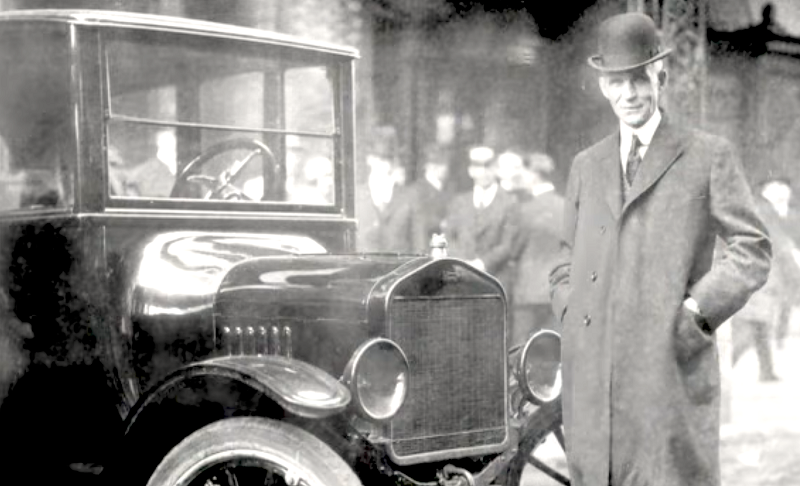
Edison and Ford first crossed paths in 1891. Ford was working as an engineer at the Edison Illuminating Company in Detroit. They didn’t meet right away, but Ford looked up to Edison. By 1896, they finally met at a conference, and Ford kept in touch, writing letters and asking advice as he worked on his early automobile designs. Their friendship really took off in 1914 when Edison invited Ford and his family down to Fort Myers.
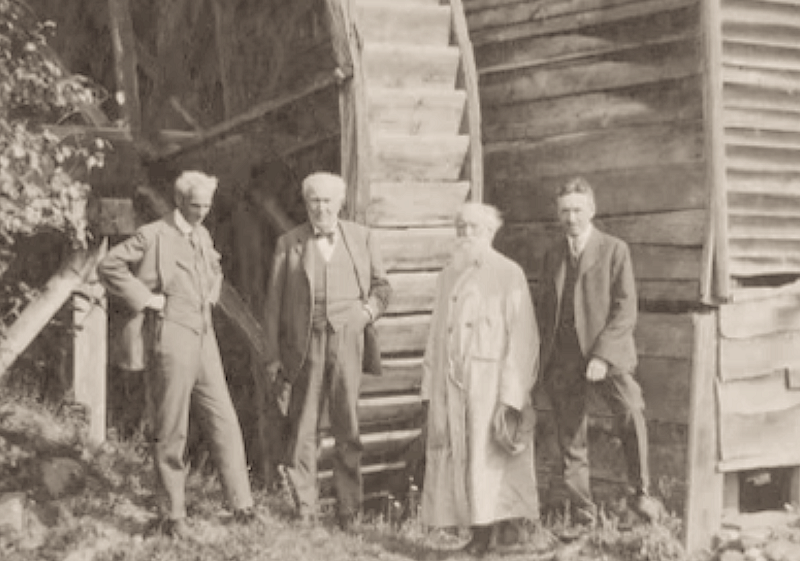
That winter, Edison, Ford, and naturalist John Burroughs decided to go camping, right into the wilds of the Everglades, driving a convoy of Model Ts. There were no proper roads, just marshland and forest. They struggled through half the journey before giving up and heading back to Edison’s place. The trip was rough, but it kicked off a tradition: for years, they took trips like that across the country.
Later, Harvey Firestone joined their group, and the four friends, Edison, Ford, Firestone, and Burroughs, became known as the Vagabonds. These trips weren’t just for fun. They swapped business ideas, and eventually decided the U.S. needed its own source of rubber. At the time, America imported most rubber from overseas, and World War I made it clear how risky that was. Since rubber comes from plants, they figured southwest Florida was perfect for experimenting with different crops.
In 1927, they opened the Edison Botanical Research Laboratory and tested over 17,000 types of rubber plants. Edison finally settled on goldenrod as the most promising. He dreamed of farmers across Florida growing fields of goldenrod for rubber. But it never took off. Edison died in 1931, and not long after, the lab closed. By then, synthetic rubber, made from petroleum, took over because it was quicker and cheaper.
Beyond their inventions, Edison and Ford helped shape Florida’s winter tradition, and even tried to change American industry from their sunny retreat.
Edison’s widow handed over his Florida estate to Fort Myers in 1947. She asked just $1 for it, wanting the public to enjoy the place. Not long after, people started touring the grounds.
Next door, the old Ford property had a different fate. It remained a private home for years until the city finally bought it in 1988. Then, in 2003, a nonprofit stepped in to manage both estates and led a massive $14 million restoration.
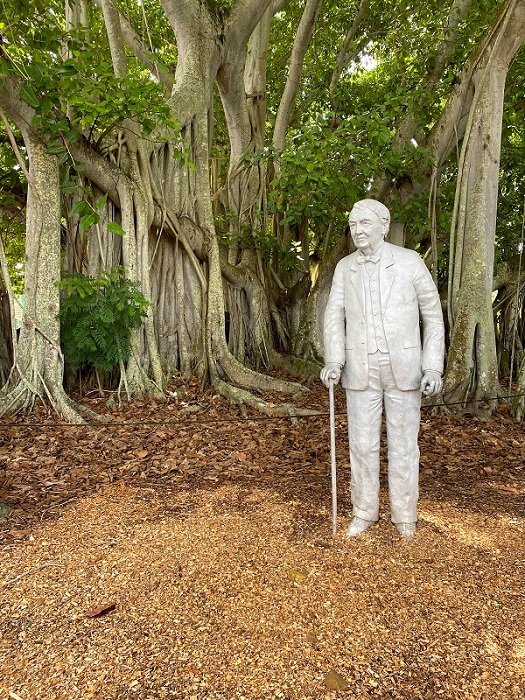
Today, visitors wander through a museum packed with Edison’s inventions. There’s the phonograph, the incandescent bulb, and plenty more from his 1,093 patents. You can also check out his research lab and stroll through the gardens, including a massive, iconic banyan tree planted by Edison in 1925 as part of an experiment to find natural rubber sources. That experiment may not have been a success, but the banyan tree still stands as a major landmark at the historic estate.
For more information, check out edisonfordwinterestates.org.