Federal oversight of Florida’s wetlands just got a vigorous nod from the courts.
On Friday, the U.S. Court of Appeals in Washington, D.C. confirmed that federal agencies, not the state, should control building permits in these sensitive areas. This decision keeps the Environmental Protection Agency and the U.S. Fish and Wildlife Service in charge. The judges agreed with a previous ruling from 2020, which found that these agencies had broken the Endangered Species Act by allowing Florida to speed up the permitting process for construction on wetlands.
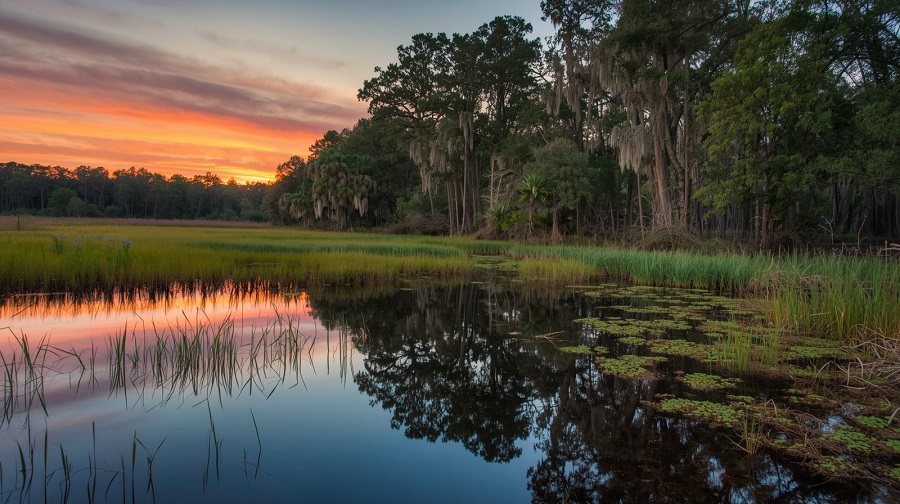
The court didn’t mince words: If development moves too quickly, it puts creatures like the Florida panther at risk, since these animals depend on the wetlands to survive. Chris Costello, who leads the Sierra Club’s state campaign and is one of the plaintiffs, laid it out clearly: “Wetlands are the kidneys of our ecosystem. They clean our water for free. Destroying them hurts water quality and ramps up the threat of flooding.”
Developers have pushed for state control, hoping for an easier path to bulldozing these lands. But environmental groups argue that Florida’s wetlands are critical, not just for wildlife, but for people too. Costello emphasized that protecting these wild spaces preserves both biodiversity and the very qualities that make life in Florida possible, from flood control to clean water.
This case goes back to the Trump administration, when the EPA transferred wetlands permitting authority to the state. In response, groups like Earthjustice, the Center for Biological Diversity, Defenders of Wildlife, the Sierra Club, and others took the agency to court. According to Earthjustice attorney Christina Reichert, the ruling sends a clear signal: “The government can’t take shortcuts around our bedrock federal environmental laws.”
Rachel Silverstein, who directs Miami Waterkeeper, underscored the point: the court recognized weaknesses in Florida’s own permitting program; it lacked enforcement, real safeguards, and federal oversight. She says the decision puts essential protections for wetlands, endangered species, and clean water back in place.