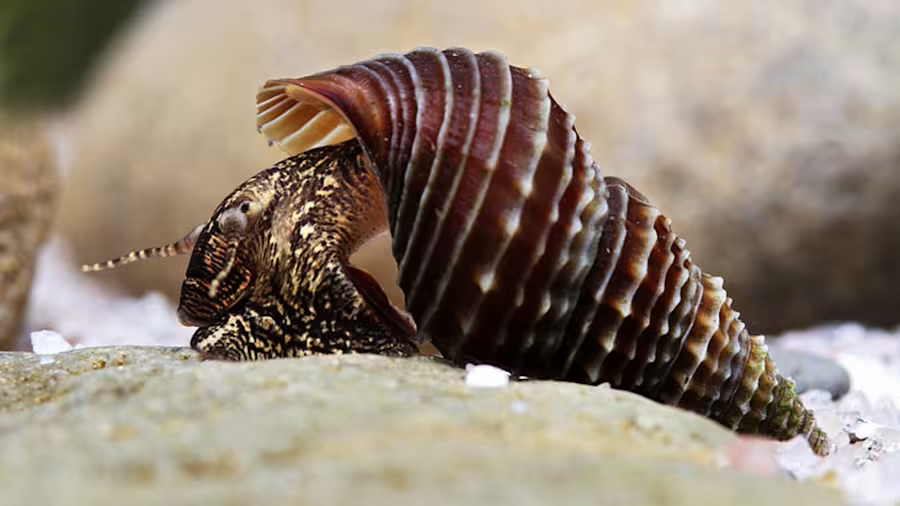
Elimia snails might just offer Florida a fix for its stubborn algae (or algal) bloom problem. If you live in Florida, you know how these thick, green mats of algae clog up water, spoil springs, and make everything look and smell pretty gross. Experts at the University of Florida’s Institute of Food and Agricultural Sciences (UF/IFAS) recently inspected this issue, searching for answers beyond the usual finger-pointing at nitrate pollution.
Their new study digs deeper. People have often blamed nutrient run-off for setting the stage for these blooms. And yes, cutting down on nitrogen and phosphorus in waterways helps shrink those blooms and keeps coastal red tides from going wild. But it’s not just about nutrients. Turns out, we’re also losing natural algae grazers, specifically, freshwater snails known as Elimia, and seeing less dissolved oxygen in these springs.
Dina Liebowitz, a researcher at UF, said surveys from eight springs across the state showed that snails and algae are locked in a kind of tug-of-war. Where snails thrive, algae rarely takes over. Where snail numbers are down, algae blooms explode. Snails need good oxygen levels to stay active. When oxygen drops, they slow down or disappear, and even with plenty of algae around, they can’t keep up. This throws the entire system off balance.
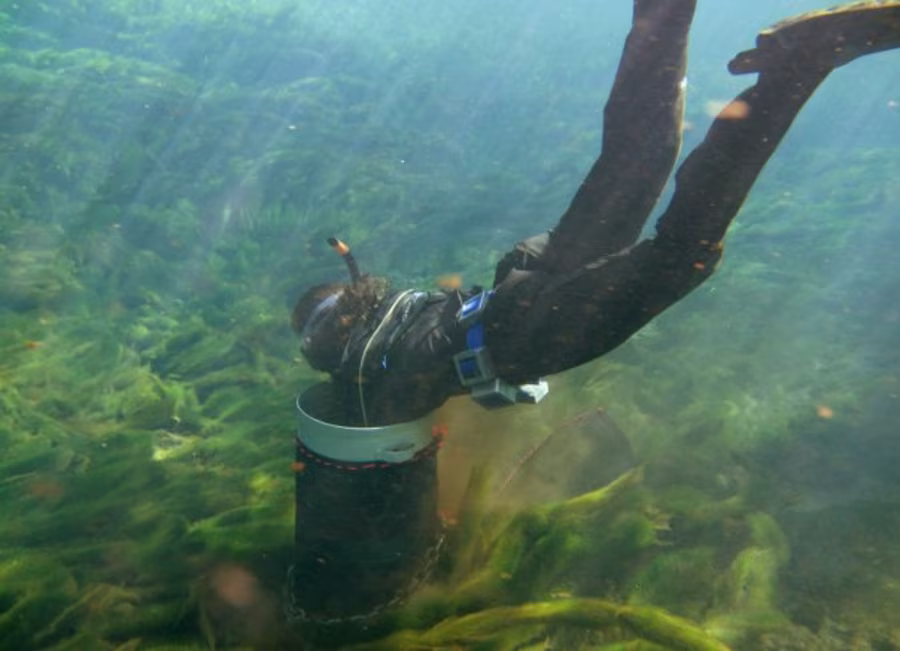
Controlling algae isn’t just about battling nutrient pollution. It’s also about supporting healthy populations of Elimia snails and keeping dissolved oxygen levels steady. Environmental managers can’t ignore these factors. How well snails control algae depends on three things: how many algae is already out there, the size of the snail population, and how much oxygen is in the water.
Liebowitz calls Elimia snails “little janitors.” When they’re doing their job, springs stay clear and beautiful. They give us a clean ecosystem service, all on their own. No need for humans to intervene, just let the snails work.