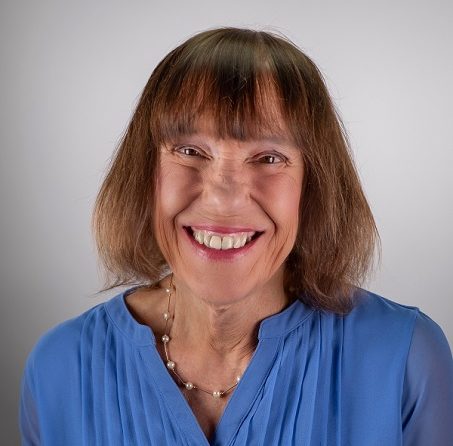
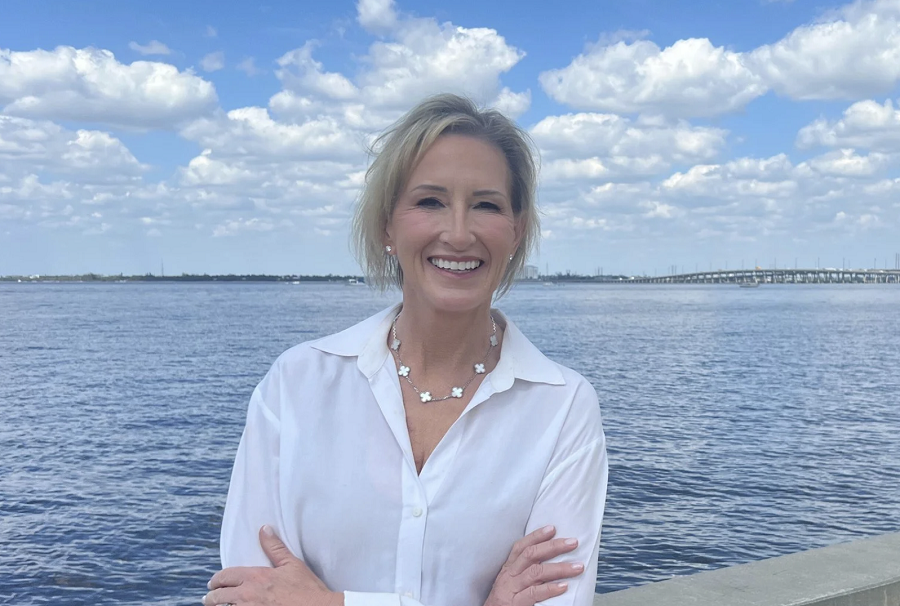
Kim Amontree doesn’t just talk about community service; she lives it. Over the years, she’s rolled up her sleeves in all kinds of roles: leading C.A.R.E., guiding the VBA Community Care Clinic, supporting Charlotte Preparatory, and helping drive the Charlotte Local Education Foundation. She’s invested in young people, too, whether chairing the Punta Gorda YMCA board or organizing Girls on the Run, making sure kids have the chance to grow.
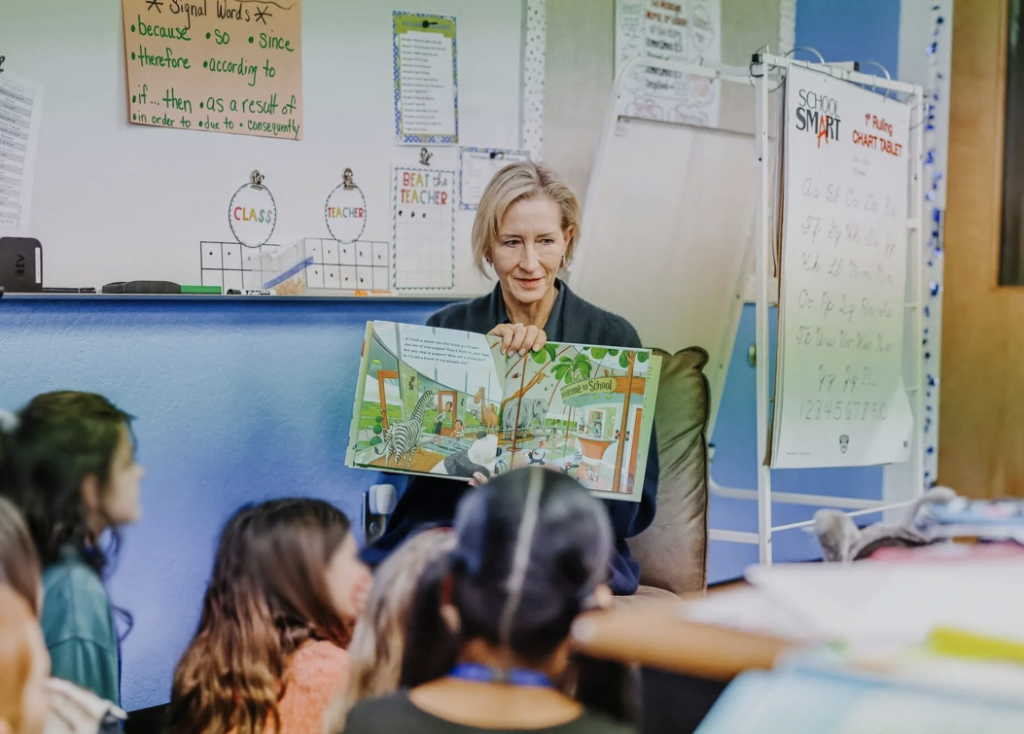
Kim’s no stranger to education policy, either. When she chaired the Legislative Subcommittee of the Florida School Boards Association (2022-2023), she took a strong stand for curriculum transparency, parental rights, and keeping the classroom focused on learning, not politics. Today, as Vice President, she’s kept up that fight. People have noticed. Along the way, she’s received honors like the Yellow Rose Award, Woman of Distinction, and Champion of Youth Award.
Now, Kim’s set her sights on the County Commission. Her plans? Lower taxes, cut red tape, protect our water, and push for term limits to break the cycle of career politicians. Simple. Direct. She means business.
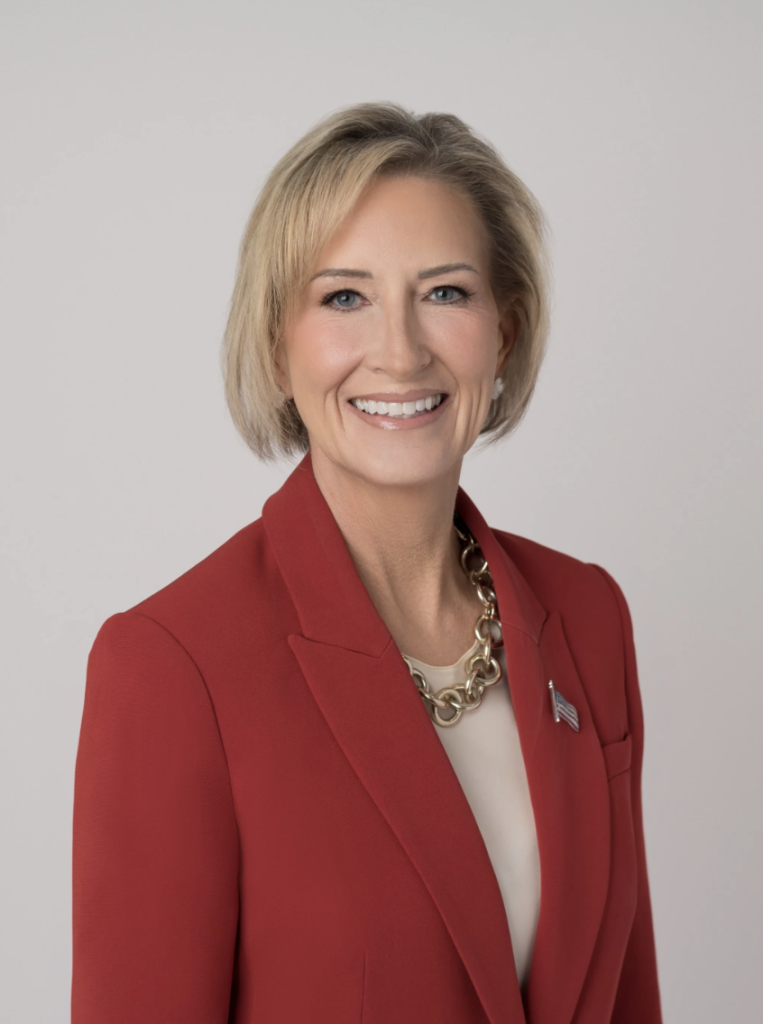
Charlotte County has been Kim’s home for 35 years. She and her husband, Jim, raised their three kids here. She believes in what matters: limited government, family, faith, and keeping Charlotte County the best place for anyone to live and raise a family.
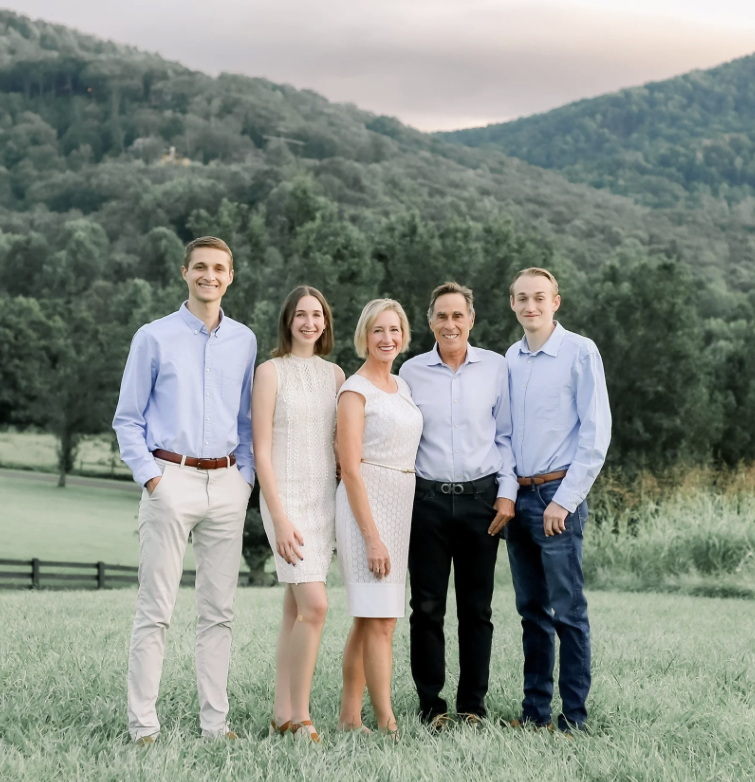
Kim believes in individual liberty, fiscal responsibility, and steady, conservative principles that strengthen communities. She’s running for County Commission to bring those values and her experience back home, to keep Charlotte County strong and set it up for a bright future.
Since voters chose her for the School Board in 2016, Kim’s been a tireless advocate for keeping decisions local, keeping spending smart, and holding education leaders accountable. For her, it’s students first, not bureaucrats. She’s steered the district to lower tax rates while building up emergency reserves, actual proof of her financial discipline.
Kim has built her career in banking and healthcare management, spending nearly 30 years sharpening her business sense. She founded the Charlotte Surgery Center. Her focus on efficiency created jobs and gave more people access to care, showing what conservative leadership can accomplish.
Kim holds a Bachelor of Science in Business from the University of Colorado and an MBA in Finance from the University of South Florida. Her financial expertise has helped her manage budgets, cut waste, and drive economic growth. For Kim, it’s about getting results, and that’s what she brings to the table.
The Englewood REVIEW sat down with Kim Amontree to talk about her achievements on the Charlotte County School Board, her vision for the future, and her plans for Charlotte County.
ER: Thank you for taking the time to meet with me today. I was reading your website about your life and your service to the Charlotte County community. Tell me about your time spent on the school board and what accomplishments you’re most proud of.
Kim: Yes, I was elected in 2016. When I started doing this in 2016, I certainly did not know what I was getting into, honestly. I was truly just a member of this community who had always been very involved. I had two kids in our schools, and at the time our school district was in a bad place. I really was just a mom who wanted better schools for all our kids. I couldn’t have imagined, first of all, how great of a great job it’s been. I’ve loved doing it. Being in our schools every day, seeing what our kids can do, it’s a privilege to be able to do it, to have families in this community trust me with their kids.
I’m very proud of all we’ve accomplished in the last 10 years. When I decided to run for school board, what made me do it was one day I went out and got my newspaper, and the headline said that we were ranked 48 out of 67. Previously, we had been a top 10 school district. At the time, I was serving as president of our local Education Foundation, and two members of that board said, “Would you ever consider running for school board?” And I decided to do it. I really did not think of myself as being a politician. I was just a mom who wanted better schools for our kids.
During these last 10 years, we’ve gone from being a B-rated district to being an A school district, so we have an A grade now. Our ranking has gone from 48 to 21. We have the highest graduation rate in the history of Charlotte County Public Schools. I think there are a lot of things I’m proud of, but one of the things I think I’ve been most involved in out of all of those things is developing workforce programs for our students.
I was very involved in getting state funding for our aviation training facility, which has been so successful that we just recently opened a larger hangar classroom because we’ve had so many students. That’s for adults over at the airport. We’ve opened a program at Charlotte High School as a feeder program into the adult program. Just a few weeks ago, we broke ground on an advanced manufacturing training facility that will also be on property at the airport. This year, we received funding for a welding training program that will start a year from now. This fall, we will be starting a water management certification program at Lemon Bay High School. So that’s the area that I’ve been most involved in.
ER: That’s wonderful work. I commend you for that. You have such a strong business background. What were your first steps that you implemented when you joined the school board?
Kim: Like any profession, something that I took from my business career is that relationships and having trust with people in your community and the people you work with is the most important and the first thing you need to do. When I first became a school board member, our school district had not received any state appropriations for 20 years, since Hurricane Charlie. School districts are funded on a per-student basis, and the per-student amount that we were receiving had really not raised since Governor Scott became governor. He made huge cuts to public education. He reversed that decision, but at the time when I became a board member, the per-student funding really had not gone up, and we had not given raises to our teachers and staff in four or five years.
We were in a bad place. And when I went in and talked to my colleagues, I said, “Do you ever go talk to the people who have the money?” And they said, “No, we don’t like them.” I said, “Well, I don’t care if you don’t like them. I’m going to go and talk to them.”
So I went, and I spoke with our state representative, Mike Grant. We had in the beginning some difficult conversations, but over time, he and I have formed a friendship and a relationship of respect. He was instrumental in getting that aviation training program started. That was somewhere that I found we could really align around workforce programs. He and I are both very fiscally conservative, and those workforce programs cost taxpayer money upfront, but what they return on that investment in multiples makes it a smart investment by the taxpayers.
That was the first step: forming relationships with our legislators. One thing that I bring to the table in this new position as a county commissioner is that I have very strong relationships with all of our legislators here locally and in Washington, D.C. I’ve been endorsed by our local legislators, and I also have been endorsed by Congressman Steube, because they know over the 10 years, I’ve had many meetings with them and been able to find that common ground, places where we can align, move things forward, and have shared values in what the future of this county looks like. I will continue to use those relationships to the benefit of our county once I become a commissioner.
ER: That is impressive: the civility, the discussion, that’s the foundation of it all. Building those relationships and reaching across the aisle is so important. One question that has come up, though, is leaving mid-term from the school board to run for commissioner. How do you feel about that?
Kim: Well, I’ve always said that being a public servant is about getting in there with the experience to do the job. It’s not about the title, and it’s not about having a certain timeline. Everything I said in 2016 that I wanted to accomplish, we’ve accomplished. That’s the first thing I’d say.
The second thing I would say is that Governor DeSantis will be appointing my replacement, and I have complete confidence in who he’s going to appoint. I’ve heard that there are three people who have applied for the position, and I’m very eager to see who he will end up appointing. I believe that appointment will be made soon because I understand that he did the interviews last week.
ER: That’s interesting. What are the most important issues facing Charlotte County today, and what are your top priorities?
Kim: My top priorities are my constituents’ priorities, and I’ve spent the last six months knocking on doors everywhere from Palm Island all the way out to Babcock Ranch and everywhere in between. There are nuances depending on the neighborhood that you’re in and what people are concerned over, but the three overriding things I hear are overdevelopment, infrastructure, and property taxes. So those will be my priorities when I get into office, specifically infrastructure.
We’ve seen exponential growth in this county that nobody could have predicted over the last two or three years, especially since COVID. The infrastructure has not kept pace with the amount of growth we’ve seen, so that’s going to be my first priority, a laser focus on how we’re going to pay for that infrastructure and prioritizing getting it done. The roads, the water treatment plants, we have to get that caught up to the growth that has taken place over the last couple of years.
Secondly, property taxes. We are a retirement community, and so many of the people whose homes I knock on are retirees. What they tell me is that this is not the retirement that they envisioned. Many of them have moved down here since COVID. A lot of them have come down here for the conservative political environment that we have and also for what they perceive to be an affordable cost of living. When they moved here, maybe in 2020 or 2021 after COVID, we were one of the most affordable waterfront communities in the state of Florida.
Well, what’s happened over the last five years is that our county has doubled its budget and had double-digit budget increases every year for the last five years. Our retirees, between the insurance and the property taxes, are being squeezed and can no longer afford to live here. I’ve gone to many houses that have for-sale signs, and when I ask them why they’re selling their home, they tell me that they just can’t do it anymore. They have to move back north and move in with their kids, which certainly was not what they thought their retirement was going to be. I’ve talked to retirees who have had to go back to work to be able to afford to pay their property taxes.
So, as far as what my priority is going to be, we will see what happens with Amendment 3, whether that passes or not. But whether it passes or not, I think our county needs to be more responsible with the budget, and I have called for a 5% decrease in the General Fund. I watched the County Commission meeting this last week, and they are forward-looking, is what I would say. They recognize that they need to show some more restraint, so I’m happy that at this juncture right now, they are taking a disciplined approach to the budget. That was a long answer to that question.
ER: Actually, not long enough. I am sure we could talk about this subject for a long time. But what are the plans to balance all this new commercial development and residential growth in Charlotte County with so much strain on local infrastructure, roads, and let’s not forget the hurricane evacuation routes? This is a big question here, of course. Are there any specific plans to balance that growth with the strain on infrastructure?
Kim: I think one of the things that I’ve noticed in the approach of the current county commissioners is that it’s being done on a project-by-project basis. What you’ve seen is a comprehensive plan that was rolled out years ago, maybe even a decade ago. I think the last big comprehensive plan vote and passage took place in 2011, all of the current commissioners were on the commission at that time, with the exception of Joe Tiseo.
So now, over these last six years, they’ve made decisions where the staff comes to them, makes a recommendation, and says, “This project is consistent with the comprehensive plan,” or they will say, “it’s mostly consistent with the comprehensive plan, and we’re recommending these modifications.” Maybe they’ll have anywhere from one to 10 different modifications that they ask the developer. But those decisions are being made on a project-by-project basis rather than with what I would say is an overall plan for growth.
I do think that we need to revisit that comprehensive plan, because clearly, it’s not working. When you have 100 people show up at meetings where somebody is coming forward with a proposal and those 100 people are unhappy. You just saw it in Englewood with the apartment.
ER: Oh yes, absolutely.
Kim: There were two proposals I’m thinking of. One is the apartments in Rotonda. I have heard a lot of concerns. I’ve been out knocking on doors in Rotonda, and clearly, I’m hearing concerns from those individuals. I can’t say that I understand all the nuances of it. One thing I will back up and say is, as you mentioned, I do have a background in business, but I have no background in land development, real estate, or construction. That is not my area of expertise.
So, what I tell citizens is, I’m just like them, representing the people. I do not have professional experience, say, as a land use attorney. But what I understand with the apartments going up in Rotonda is that land, back when Rotonda was developed, was zoned for tourism and hospitality, I believe. So now these multi-family small units that are going in, the residents are being told that it’s allowed because of what that tourism and hospitality zoning was. But that’s never what they thought that property was going to be. They thought it was going to be shops, medical offices, maybe a small restaurant. I’m not sure anything can be done about that. That’s something that I would have to rely on what the county attorney says whether the zoning does meet what’s being put in there, and it sounds like from the public meeting they had that it does meet that.
The other project that came up in front of the commissioners was some apartments near the Cape Haze Resort, I believe, where the developer was asking for increased density. And the commissioners did turn that project down.
But in both instances, you have 100 people showing up at a meeting unhappy. We need to have a comprehensive plan that people and developers, not just the residents, but the developers also need to know what’s allowed and what’s not allowed so that you don’t have these very contentious meetings.
It’s happening not just in our county, right? You see it in Englewood, sitting to the north of them in Sarasota, where they have very contentious meetings. I think the comprehensive plans need to be revisited so that we have an overall strategy. I think the transfer of density units program needs to be revisited, that does not seem to be working. I’m not saying that I have all the answers. I don’t have all the answers. I just know that what we have right now is not working.
ER: Exactly. It’s not important to have all the answers; it’s important to have the curiosity and to ask the questions. I have so many people reaching out to me from all three counties, and it’s the same theme. This extends, of course, to environmental concerns, water quality and the environment. What specific county-level policies will you champion to protect local waterways and the environment from the impacts of all this rapid regional development? What policies will you champion to protect the environment?
Kim: Well, one good thing that Charlotte County did was that they did hire a water manager, a water czar you could call him, Brandon Moody, because they recognized this was such an important issue. I have reviewed everything they have on the website regarding water policy, and I’ve looked at FGCU studies. I’ve looked at the heat maps of what is causing the problem in our river and our harbor.
I will back up and say I’ve lived here for 35 years. I currently live on the water. When I moved here, we used to brag that Charlotte Harbor was the cleanest body of water in the state of Florida. I don’t think we can say that anymore. When you look at those heat maps and you see the excess nitrogen that’s in our water, my understanding from the research that I’ve done is the big problem that we are facing here on our river and our harbor is septic tanks. It’s septic tanks leaking into our water bodies.
You will notice on my website that a priority of mine is that septic-to-sewer conversion. That has to happen. Again, that’s one of those other priority items where I don’t have all the answers. I am not a water engineer, but we do need to convert those septic tanks to a centrally connected sewer. Because you can see it when you look at the maps and see where the concentrations of nitrogen are, it’s where we have the most homes on the Peace River. That is what is causing the death of our seagrass, which of course then leads to fewer manatees and fewer fish.
I’ve also spoken to a lot of homeowners who have septic. I’ve spoken to people who have central sewer; they’re happy with what they have. I’ve spoken to people who have gone through the conversion. The people who have gone through the conversion have told me it was the right thing to do, and even though it was painful at the time, they’re glad they did it. But I’ve also spoken to many homeowners who currently have septic, who don’t want to change. They’re reluctant to change because they’re concerned with the cost.
So, it’s back to that conversation of retirees feeling like they have to leave our community. We’ve got to try to figure out a way to do it to moderate that cost and do it over a number of years so that it doesn’t force somebody to leave their home. That will go back to those relationships with our state legislators by the way, because we have received state funds to help mitigate the cost of those septic-to-sewer conversions, and we will need to continue making that a legislative priority when we go to Tallahassee to receive state funding.
ER: Yes, that’s heartbreaking to think that this is happening to such a large percentage of people. What is the expense of converting from septic?
Kim: I don’t want to quote any exact numbers, but I did watch a meeting of the commissioners recently where they were talking about the Ackerman conversion. They’ve completed phases 1 and 2, and one of the things they’re facing is that when they went out to the homeowners with this plan, maybe a decade ago, they quoted one price, and the people in Phase 1 and Phase 2 paid that one price. Well, the cost has tripled. And watching that meeting, my thought was, “Man, this is going to fall on me when I’m sitting in that chair!”
There are no good answers to that situation there in the Ackerman sewer conversion. There is no solution that people are going to be happy with, from what I could see watching that meeting. That is one of those difficult decisions that commissioners are going to have to make, where nobody is going to come out happy with the answer. I’m not looking forward to it.
That’s one of the things being a school board member has prepared me for, which is those difficult decisions. Often as an elected official, you’re having to fix things that were created by predecessors, but you’re the one who’s going to take all the heat for it. So, if anything, I’ve had experience doing that as a school board member, and I’m prepared to do it again as a commissioner.
ER: I want to talk a little bit about your time as a proud Charlotte County resident for 35 years. You have your husband, Jim, and your three children. What are your kids up to?
Kim: Oh my gosh, I’m so proud of my kids. My kids are all products of our public high schools here. My two boys graduated from Port Charlotte High, and my daughter graduated from Charlotte High. I really credit the upbringing that they’ve received, obviously not just from us as parents, but the community that we have here.
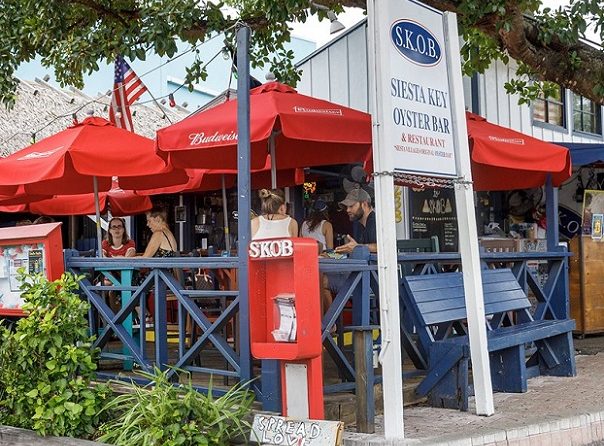
Jim grew up on Siesta Key. His family moved there in the early 1960s, and when we moved to Punta Gorda, he said, “This reminds me of what Siesta Key was like in the ‘70s,” which was the kind of place where everybody here in Punta Gorda knew my kids.
Now that they’ve moved away and they see that not everybody has had the privilege of growing up in a community where everybody is looking out for you, they recognize what a special town this is. My oldest son, Andrew, lives in New York City. He just took a new job. He is a machine learning engineer, so he works in artificial intelligence, which is a hot topic now. So, I do speak with him about that frequently, because obviously that’s a strange world to us. I’ll speak for myself; it’s a strange world.
ER: No, me too.
Kim: He does help me with that, especially with seeing the possibilities of what AI can do. So that’s his job. He lives in New York City. My middle son is getting his MD/PhD at Georgetown in Washington, D.C. He just completed the PhD portion of his long road here, so he has received his PhD, and he’s currently doing his third-year medical school rotations in Washington, D.C. He’s doing great. My daughter is also in medical school, and she’s also in her third-year medical school rotations in Gainesville at the University of Florida.
ER: That’s wonderful. You have every reason to be proud. Is there anything that I haven’t asked you about that you would like our readers to know?
Kim: Well, one of my important priorities that I also have heard from my constituents is people are in favor of term limits. We are the only county in this area that does not have term limits for county commissioners. Sarasota County has term limits; Lee County has term limits; Collier County has term limits; school board members have term limits; state representatives have term limits; state senators have term limits. Charlotte County Commissioners are one of the only bodies that does not have term limits.
I really believe that this is a public service job. You bring the experience from your private background to the job, and you represent the people. We should be just one of the people representing you. I do think that our citizens should have the choice whether they want term limits, and we can accomplish that by putting that on the ballot in 2028 and letting the citizens of Charlotte County vote on whether they want term limits. I think if we put it on the ballot, it will pass.
ER: What limit or threshold would you propose?
Kim: I think 12 years is the outside limit that anybody should be serving in public office. I could get behind eight years if there was a large outcry that people said that they wanted eight years. That’s what school board members, state representatives, and state senators have. But the most that anybody should be serving in a seat is 12 years.
I’m looking at one more note. I have the Gulfshore Business magazine online. Tremendous source of information, and Nancy Seaman is a great reporter. This month, she did a great article talking about Charlotte County, and one of the things that did stick out to me when we were talking about overdevelopment that I meant to mention is that 42% of Charlotte County is currently preserved, preserved land that can never be developed. We rank 11 out of 67 counties in the amount of acreage that we have preserved. So, I think that’s important to mention to people, because I understand in Englewood, they’re not seeing the fact that we’re 11 out of 67 because it feels like a lot of the growth is concentrated there, especially because you’re so impacted by Wellen Park, which is in Sarasota County. But I think that is important for people to know.
ER: Thank you for sharing that statistic.
Kim: And just so you know, because I wrote it down here, she cited the Florida Natural Areas Inventory study as the citation for those statistics. I thought that was interesting also, and I would bet that most people are not aware, especially in Englewood, although you do have some wonderful, preserved lands there. You have the Lemon Bay Conservancy, which has done a great job of setting aside land. But we definitely could; we have 42%, and as far as I’m concerned, I’m going to look for opportunities where we can preserve even more.
ER: Yes, the Lemon Bay Conservancy does amazing work for the community and environment. Thank you for mentioning that. It was a pleasure talking with you and thank you for your time.
Click here for more information about Kim Amontree.
“As we lead up to the election, The Englewood REVIEW is reaching out to all local candidates to give them a forum to express their views.”