Lee County’s closing a major weather coverage gap with new radar in Fort Myers. For years, Lee and nearby counties didn’t have solid low-level radar coverage; anything under 6,000 feet was practically invisible. That’s a problem when you need to spot tornadoes, fast-moving storms, or sudden flash floods. The mid- and upper-level coverage was strong, but the ground-level story was missing.
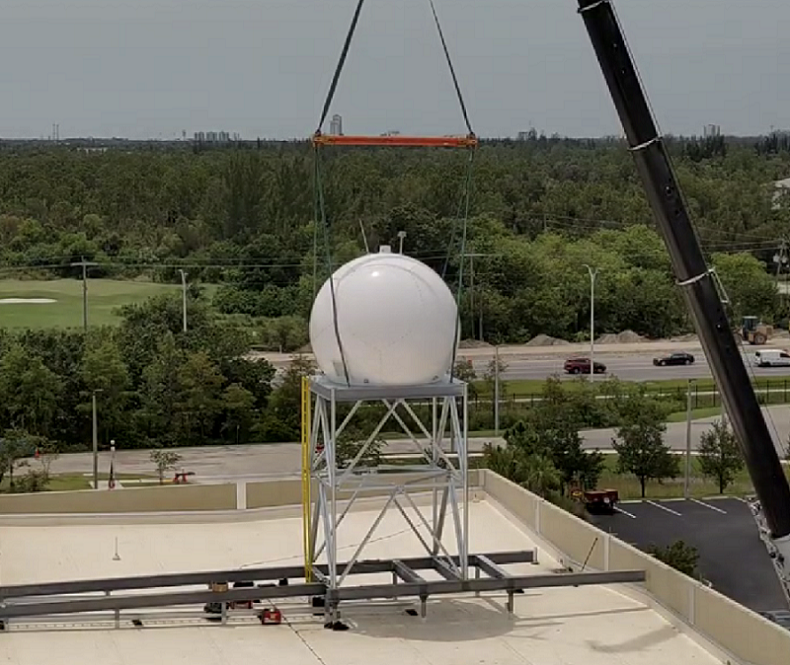
To fix this, the county worked with Climavision, a weather tech company out of Kentucky. Tara Goode, their Vice President of Radar Operations & Strategic Partnerships, put it simply: “If the radars can’t see close to the ground, meteorologists don’t have all the info they need to make critical calls.” The new X-band radar sits right atop the Lee County Public Safety Office. It’s no small feat, an 8-foot antenna inside a 12-foot dish, covering a 60-mile radius in every direction.
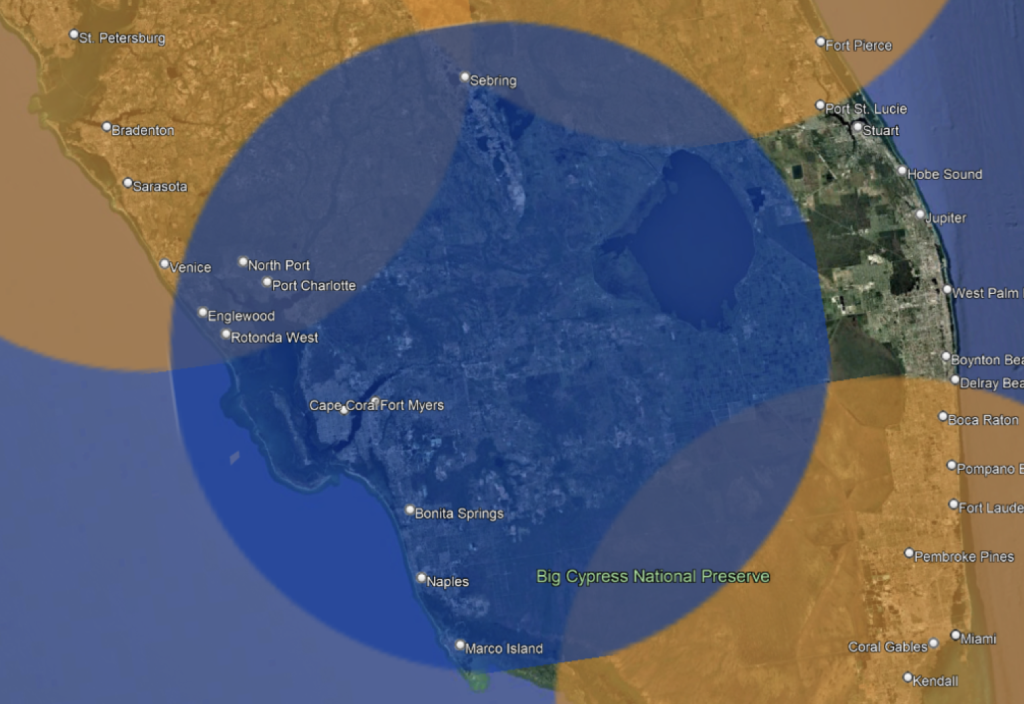
Climavision’s already put 30 of these radars across 15 states, but this is their first in Florida. Their plan: blanket the U.S. with reliable, local radar coverage, especially in places big networks missed. And with Lee County’s population soaring toward a million, officials see this as essential. “It’s the kind of technology you want in urban centers,” said county staff.
This new radar doesn’t just scan for rain. It can map the exact size, shape, and movement of storms in 4D, no less. That means clearer warnings and more heads-up alerts for severe weather. People in the area might notice more frequent tornado or thunderstorm warnings, but that’s because the technology finally catches what others missed. The Iona tornado in 2022, which leveled over 100 mobile homes, is a perfect example: Tampa’s radar just couldn’t see what was coming.
There’s no extra bill for taxpayers either. Climavision covers the electricity and all the needed upgrades to the building itself. The data goes straight to the National Weather Service and local safety officials to issue faster, more accurate alerts. While regular folks can’t see this radar data themselves (at least not yet), everyone stands to benefit, with more precise warnings and extra time to take cover when it matters.
Officials urge everyone to turn on emergency alerts on their phones; don’t wait for the sirens or TV reports. The technology’s nearly ready but needs about 30 to 45 days for detailed quality checks before going live. When it does, Southwest Florida’s weather coverage will finally be complete.