Measles cases at Florida university climb to nearly 60 as outbreaks surge across the U.S.
Measles isn’t just making a comeback, it’s spreading fast. At least 21 states now have confirmed cases, and the numbers keep climbing.
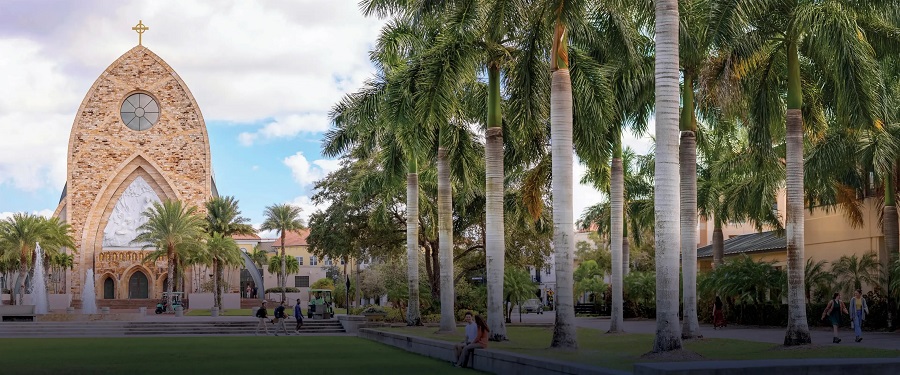
At Ave Maria University, just outside Naples, Florida. Nearly 60 students there have come down with measles. Many students report it begins like a head cold, followed by the distinctive rash, a sore throat and a cough.
The university says its main focus is still the health and safety of the campus community.
Ave Maria University Measles Outbreak
Measles has broken out at Ave Maria University in Southwest Florida, and it’s got a lot of people talking, including Dr. Meghan Martin, better known online as Dr.Beachgem10. She’s a pediatric emergency doctor in St. Petersburg and has a massive following, with over 3.5 million people watching her posts. She recently shared her thoughts on the outbreak and didn’t hold back: as vaccination rates keep dropping, expect more outbreaks like this.

According to Martin, Ave Maria University claims that “the vast majority” of its students are vaccinated. Still, the numbers tell a story. Out of about 1,300 students, there have been 54 measles cases. Five students, as of February 9, were in quarantine with classic measles rashes, while 49 others already recovered and now have natural immunity. By February 11, the university updated its count: seven students still contagious, 50 no longer contagious and now immune.
Martin didn’t mention Ave Maria by name in her post, but she used a screenshot from the university’s campus health update. Ave Maria University sits in eastern Collier County, and so far, the outbreak hasn’t spread beyond campus. The town itself is small, about 7,400 people, and the local mood seems steady.
Martin explained why outbreaks like this happen in places like college campuses. When lots of people live close together, for example dorms, barracks, prisons, nursing homes, diseases like measles spread fast. “Measles is super contagious,” she said. With over 90% of Ave Maria’s students living on campus, an outbreak isn’t all that surprising.
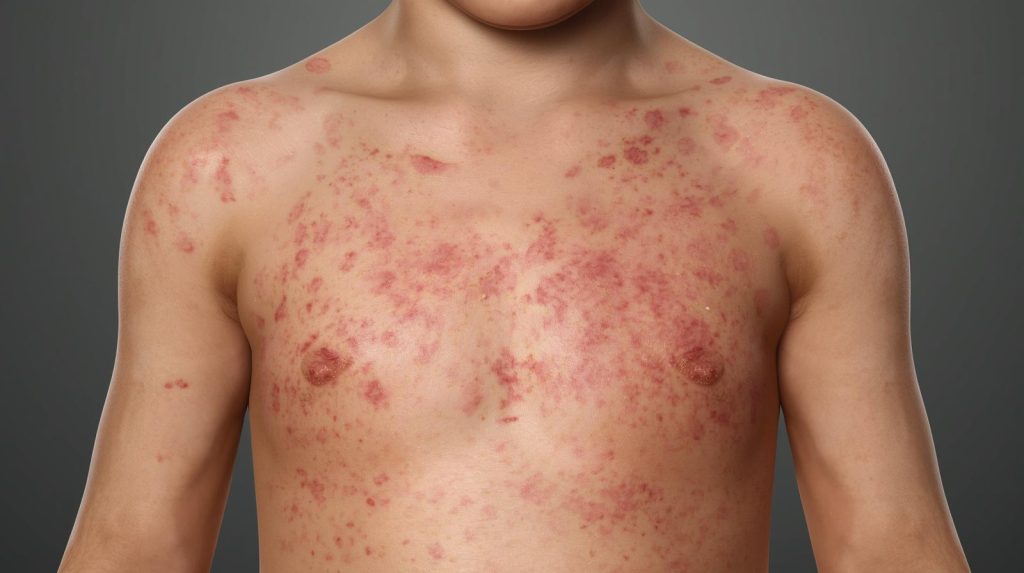
What does measles look like?
Measles is not a minor illness. Measles hits hard with high fever, a hacking cough, red and watery eyes, a runny nose, and a rash that starts on the face and spreads everywhere. Most people are sick for about a week, if they’re lucky and don’t develop complications.
But complications happen. Measles can lead to ear infections, pneumonia, and even encephalitis, which means swelling in the brain. That can cause lasting brain damage or even death.
Symptoms usually show up 7 to 14 days after exposure. It starts with a high fever (sometimes climbing over 104°F), cough, runny nose, and those telltale red eyes.
Measles can turn serious for anyone, but certain groups face even bigger risks. Children under five, adults over twenty, and pregnant women are especially likely to develop complications. The risks are real, and the stakes are high.
Measles doesn’t need much to move around. According to John’s Hopkins Medicine the virus can hang in the air for up to two hours after an infected person leaves, ready to infect anyone not vaccinated who steps inside. So, unvaccinated children are at risk, but so are adults, especially if their immune systems are weak.
Dr. Martin keeps coming back to one thing: the measles-mumps-rubella (MMR) vaccine works, and works really well. One dose is 93% effective. Two doses? That jumps to 97%. She praised the university and the state health department for moving quickly: isolating sick students, offering tests and vaccines, even keeping an EMS unit close by.
Ave Maria isn’t alone. At the University of Florida in Gainesville, two classes were exposed to measles, and the school is investigating. The Department of Health has already started tracking down everyone in those classes.
Dr. Martin isn’t the only one urging people to get their shots. Dr. Mehmet Oz, administrator of the Centers for Medicare and Medicaid Services, made an appeal on CNN: “Take the vaccine, please. We have a solution for our problem.” He pointed out that not all illnesses are equally dangerous, but measles is one you don’t want to mess around with.
Here’s where things stand nationally
The CDC says there have been 733 measles cases so far this year, spread across 20 states. Six cases came from international visitors. For all of 2025, there were 2,267 cases. In Florida, Collier County alone has reported 46 cases out of 68 statewide, according to the state health department. The numbers across the country keep rising. The U.S. now faces the real risk of losing its measles-elimination status, a title it’s held for over twenty years.
The CDC urges parents to get their kids the MMR shot between 12 and 15 months old. “It’s a good reminder—kids need the measles shot,” says FDA commissioner Dr. Marty Makary. “We put out our list of core essential vaccines—measles is one of them.”
When someone with measles enters a group of unvaccinated people, it’s almost inevitable, nine out of ten unvaccinated folks will get sick. That’s what the National Foundation for Infectious Diseases reports.
Here’s how measles spreads
If one unimmunized child comes close to someone with measles, there’s a 90% chance that child will catch it. The virus doesn’t just disappear when the sick person leaves the room, either. It hangs in the air for up to two hours, ready to infect anyone unvaccinated who walks in next.
People with immune system problems can’t get the vaccine at all. That leaves them especially vulnerable if they’re exposed.
Travelers face risks too. Anyone heading to areas with measles cases can bring the virus back home or pick it up themselves.
For more information collier.floridahealth.gov or nfid.org.