
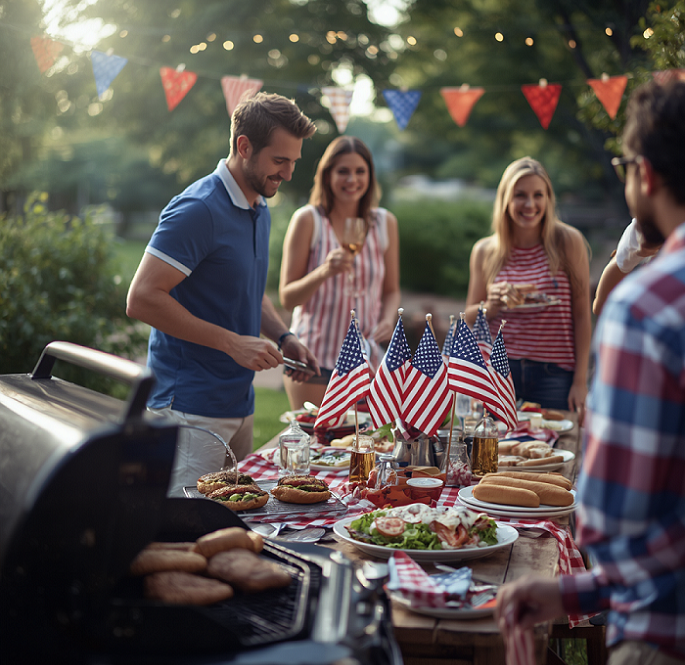
Think of a classic Fourth of July cookout: a spread of burgers, smoky hot dogs, cold potato salad, and ice-packed beer. If those feel as American as it gets, well, that’s only half the story. The truth is, we have immigrants to thank for nearly every food we pile onto our plates on July 4.
Neither hamburgers, hot dogs, nor potato salad was anywhere near the first Independence Day back in 1777. People at those early celebrations might have feasted on roast pig and cider, bringing their towns together for one communal meal. The all-American cookout as we know it, burgers sizzling on the grill, cold dishes, beer in hand, is a much newer invention. It really grew out of the German and Eastern European communities in the American Midwest during the mid-1900s.
Hamburgers
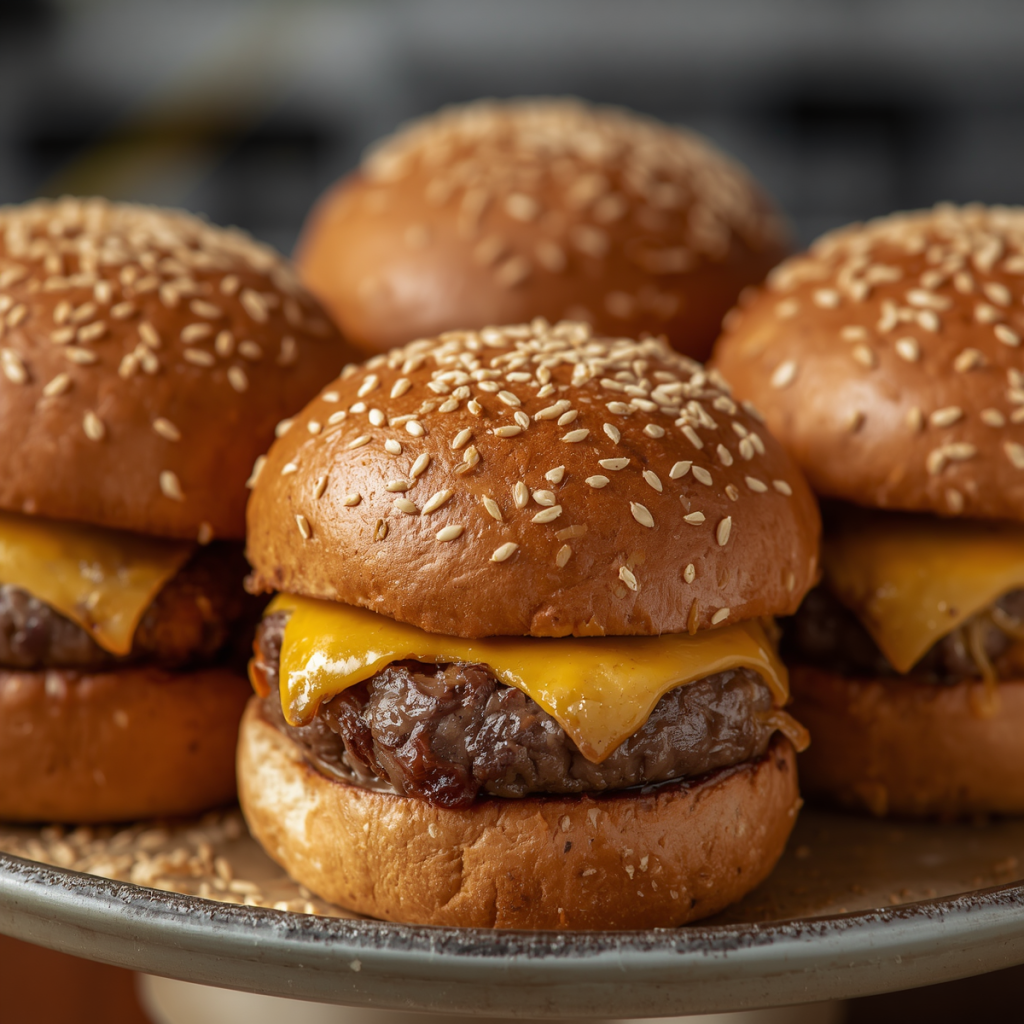
Let’s start with the hamburger. You can’t escape them on the Fourth. Yet, the hamburger’s roots stretch back to ancient Rome. Imagine minced meat, sometimes mixed with wine, pine nuts, and even fish sauce. That recipe, isicia omentata, shows up in the world’s oldest known cookbook. Over centuries, Germans in Hamburg took the idea and began mincing beef and grilling it as a steak, topping it with gravy. By the time German immigrants sailed to America, Europeans widely recognized the “Hamburg steak.”
Fast-forward to 1900: in New Haven, Connecticut, Danish immigrant Louis Lassen supposedly sold America’s very first hamburger from his wagon. Burgers then showed up at the 1904 St. Louis World’s Fair, and soon, everyone was eating them. By the early 1900s, burgers (and hot dogs) fit perfectly with busy cities and a growing street food culture. People wanted food they could grab and eat on the go.
Hot Dogs
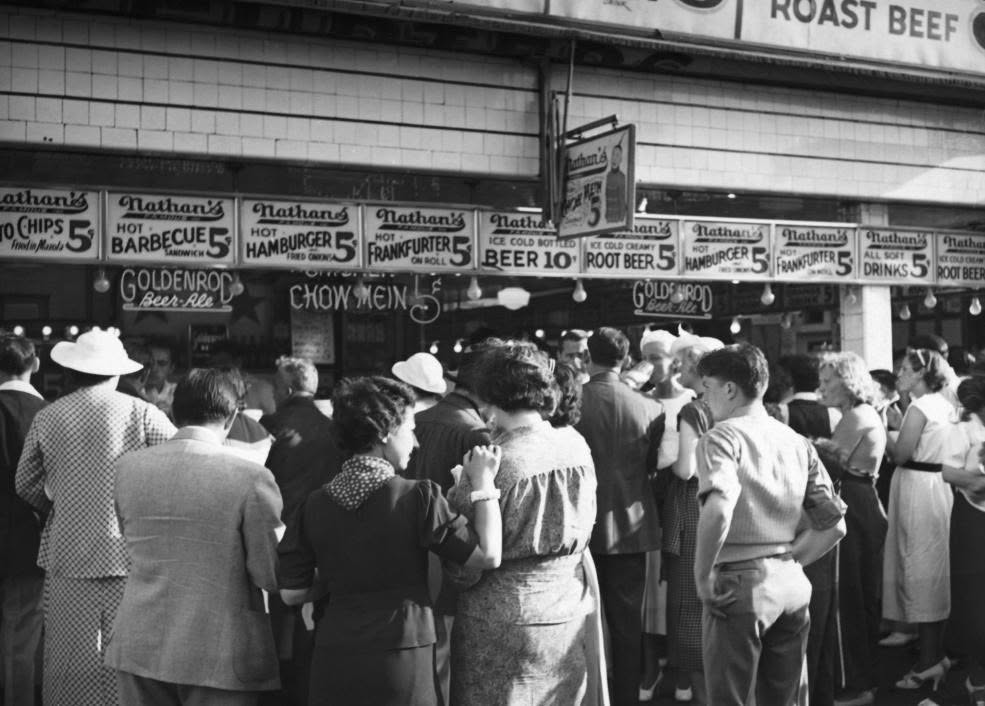
Hot dogs? Also German. If you dig into their story, you find a love of sausages at the heart of it. After the failed 1848 revolutions, German immigrants poured into the U.S., bringing their bratwursts, coleslaw, potato salad, and, crucially, lager beer. In 1876, a German immigrant named Charles Feltman, in Coney Island, came up with the idea of putting a sausage on a bun. No plates, no silverware, just hot dogs on the go. Nathan Handwerker, who worked for Feltman, opened Nathan’s Famous around the corner in 1916, and the annual hot dog eating contest still draws crowds every July 4.
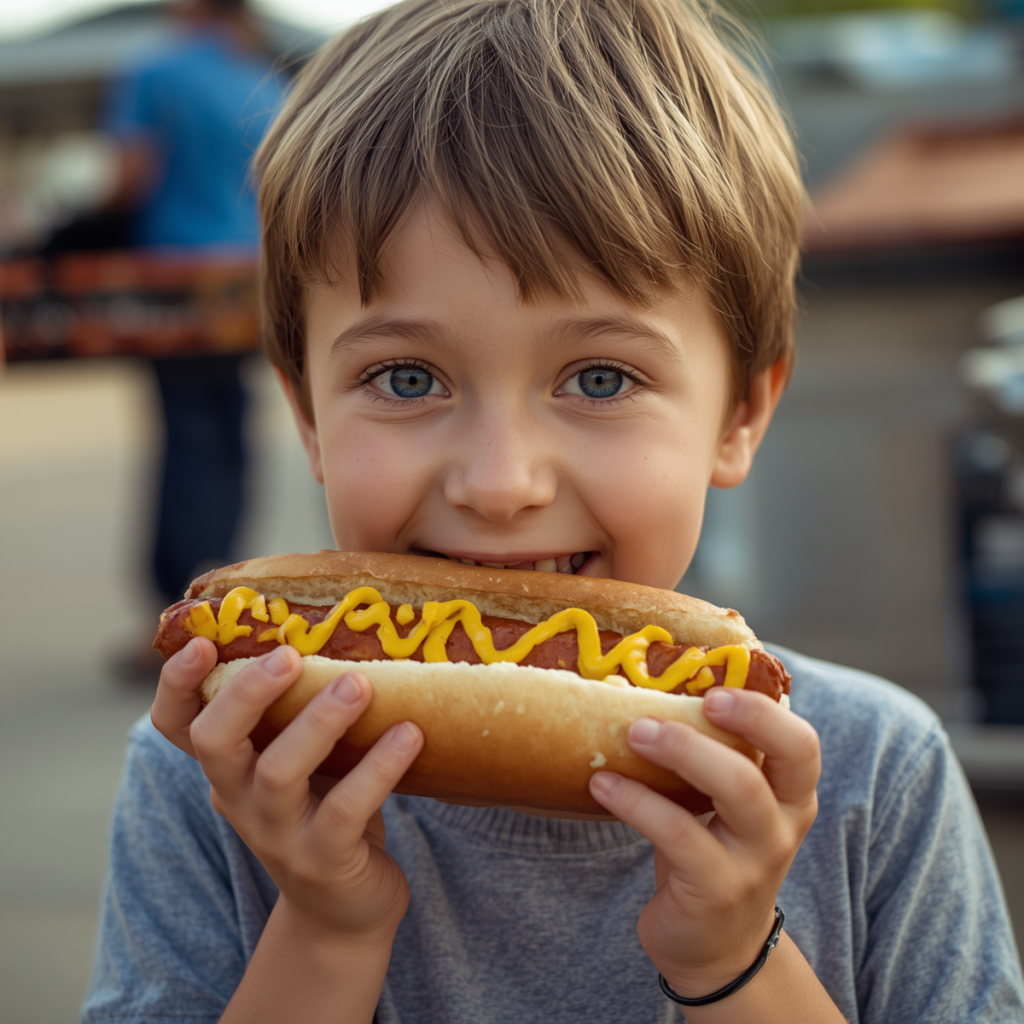
Baseball parks and summertime barbecues quickly picked up hot dogs. Today, it’s hard to imagine celebrating without them. Americans gobble down around 150 million hot dogs every Independence Day.
Potato Salad
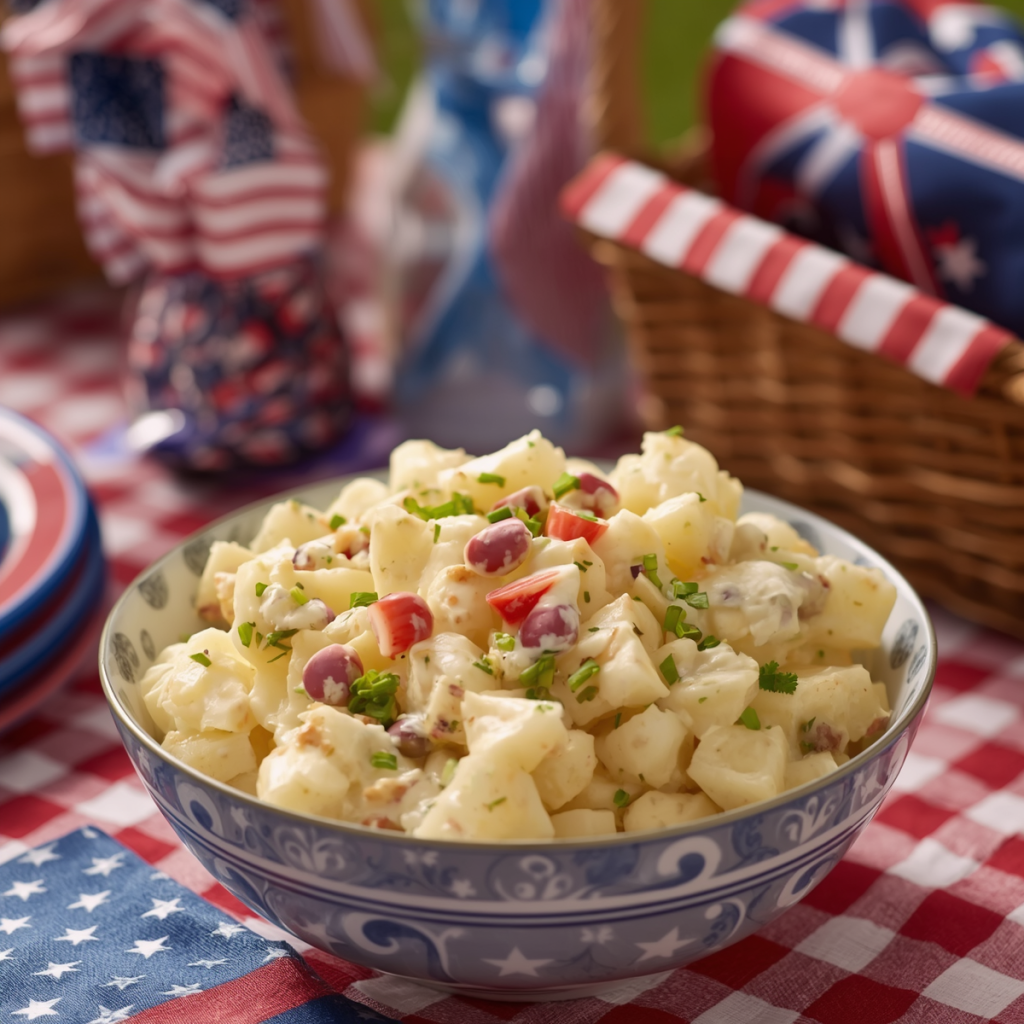
Potato salad’s journey is even longer. Potatoes were first cultivated by the Incas in Peru over 7,000 years ago. Spanish explorers brought them to Europe in the 16th century. Soon after, Germans created kartoffelsalat, one of the earliest potato salads. In the U.S., by the mid-1800s, the dish split into regional variations: in the South, potato salad meant mayonnaise and relish; in the North, you’d find it with dill and sour cream. Introducing Hellmann’s mayonnaise in the early 1900s turned the mayo-based version into a classic. Over time, cooks have added eggs, paprika, vinegar, and more. Still, potato salad remains a summer staple, invented somewhere far from American shores.
Beer
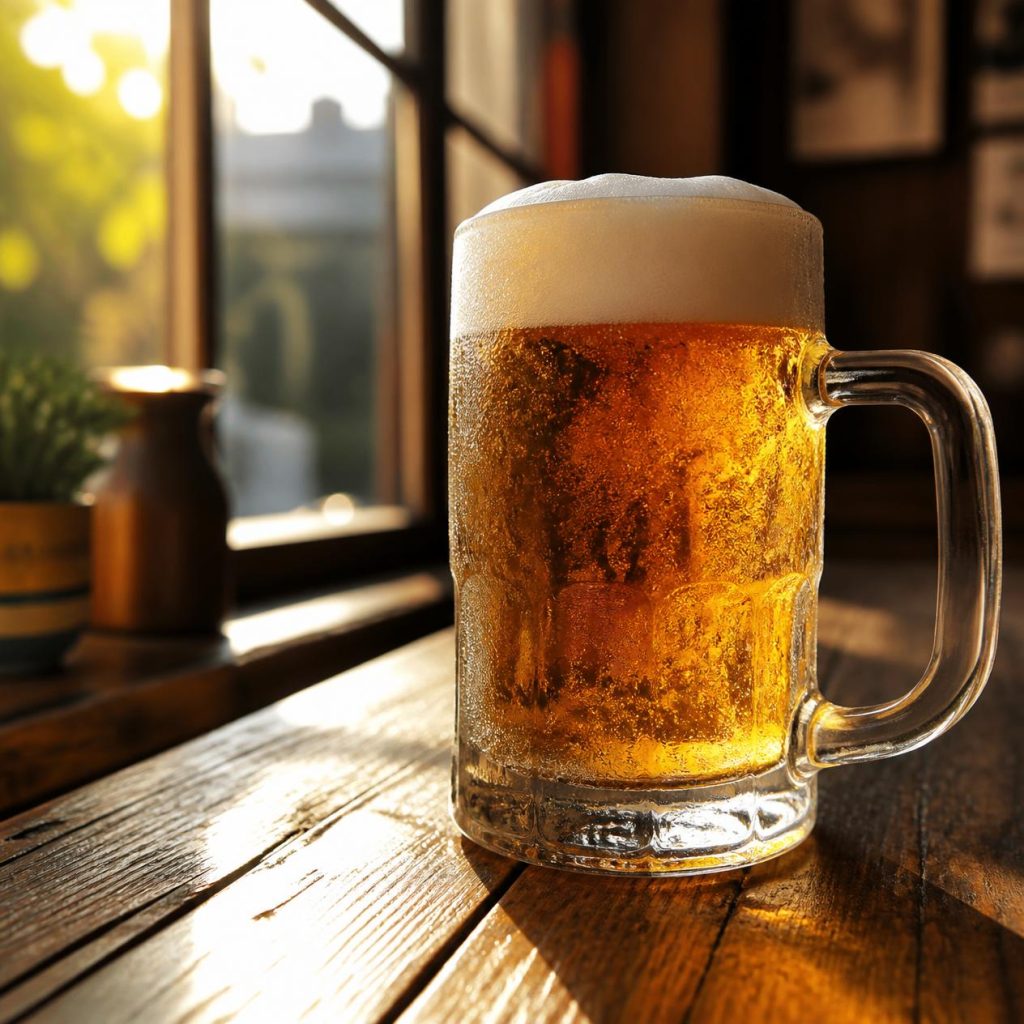
Beer, of course, has a history that’s older than the country itself. Ancient Sumerians were brewing it almost 4,000 years ago. The pilgrims drank ale on the Mayflower, and George Washington brewed beer at home. Funny enough, the Founding Fathers debated boycotting English beer well before they threw the tea in Boston Harbor. Beer has held up through centuries, brewed in Egyptian tombs and Trappist monasteries, all the way to backyard coolers on July 4.
So what does all this mean? The most iconic “American” Fourth of July foods are hardly native; they’re a patchwork of global traditions. That feels fitting, really. America’s appetite, like its people, comes from everywhere. And on Independence Day, the country gathers around foods that traveled just as far as its ancestors did.