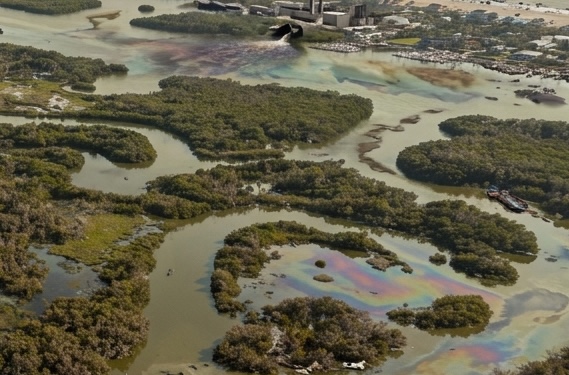
Bacteria linked to human waste is now the biggest reason Southwest Florida’s creeks and bays landed on the state’s new pollution list.
The Florida Department of Environmental Protection just added 41 water bodies across Charlotte, Lee, and Collier counties to its “impaired” list. More than half of these failed because of fecal bacteria, like Enterococcus, which points to contamination from both people and animals. That’s especially true for several stretches of the Peace River near Charley Creek, where tests found clear signs of exposure to human waste.
What’s especially troubling is Cape Coral’s tidal canals saw a sudden spike in algae markers after years staying below the threshold. Charlotte County contributed the highest number of newly contaminated waterways, although some parts of Charlotte Harbor improved and now pass nutrient tests that once flagged them.
The list comes out every two years. If a water body doesn’t meet pollution standards, it gets flagged, so the public knows the status. The state now has to assess the pollution levels each spot can safely tolerate and still qualify as clean for swimming, fishing, and wildlife. This process, called calculating total maximum daily loads (TMDLs), sets the limit for pollutants to meet water quality standards.
Click here for more information about the status of our Florida waterways.