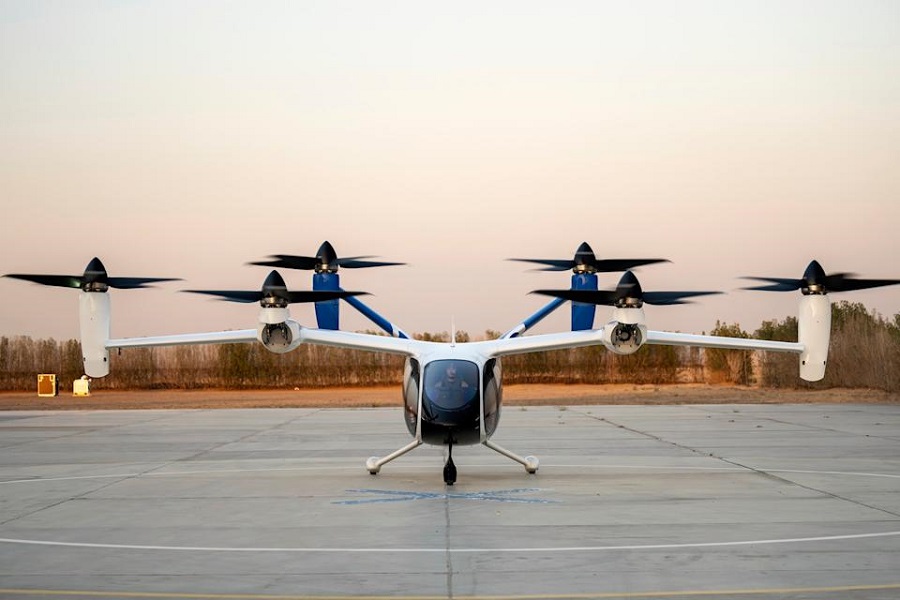
Florida is about to see electric air taxis buzzing overhead, joining 25 other states where these futuristic aircraft will start taking flight.
Several companies, like Archer Aviation, Beta Technologies, Joby Aviation, and Wisk, just got the green light from the U.S. government for a high-stakes, nationwide testing program. It’s the future “The Jetsons” promised, only now it’s actually happening.
The FAA approved eight pilot programs this week, so these companies can begin extensive electric aircraft testing as early as summer. Over three years, the program will push next-generation aircraft forward, covering everything from personal travel and regional transportation to cargo and medical response. The Department of Transportation wants to make sure U.S. companies set the pace in this emerging industry, according to Secretary Sean Duffy.
This pilot program has an official name: the Advanced Air Mobility and Electric Vertical Takeoff and Landing Integration Pilot Program. It kicked off last year when President Donald Trump signed an executive order aimed at speeding up development.
Recently, eVTOL (electric vertical takeoff and landing) companies have promised sky taxis for cities and regional flights, but bringing these aircraft to market is tough. It takes years, tremendous investment, and, most of all, FAA certification. This new program lets companies test their aircraft and operations before full regulatory approval, giving them a head start.
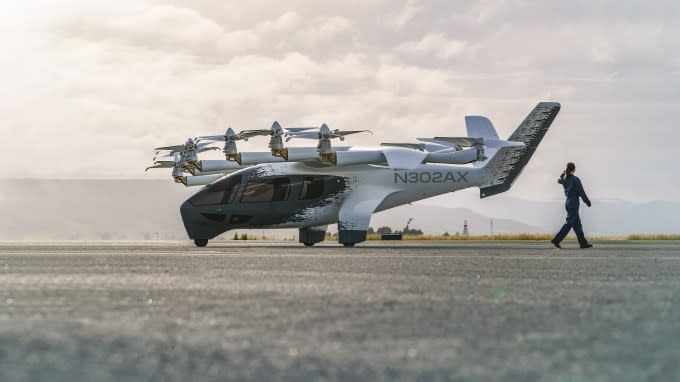
That early start gives these companies a clear advantage. Stocks reflected the optimism: Beta Technologies saw a nearly 12% jump right after being chosen. Archer and Joby stock rose, too. Beta founder and CEO Kyle Clark said the program lets them launch operations a full year early.
Archer compared their eVTOL project to the early days of robotaxi testing. The company said the program isn’t just about tech; it builds public trust and lays out a blueprint for safely putting air taxis in the sky. Archer is already looking ahead to carrying passengers in Los Angeles during the 2028 Olympics with its piloted, four-seat Midnight aircraft.
FAA Deputy Administrator Chris Rocheleau summed it up: “These partnerships help us figure out how to safely and smoothly fit these aircraft into our skies. The program gives us real-world experience so we can set the right safety standards.” The FAA received 30 proposals for these slots, showing enormous interest.
No single company is going solo here. The pilot program requires partnerships with state, local, tribal, and territorial agencies.
These programs target a whole range of real-world uses. Some, like the partnership between the Port Authority of New York and New Jersey and Archer, Beta, Electra, and Joby, will test air taxi concepts at places like Manhattan heliports. Texas DOT is working with Archer, Beta, Joby, and Wisk to link Dallas, Austin, San Antonio, and Houston by air, building networks that expand regional connectivity.
Some projects sprawl across vast areas. Utah, for example, is leading efforts to fly and test aircraft from the Pacific Northwest to the Rocky Mountains, spanning all the way to Oklahoma. Pennsylvania’s DOT will lead a multi-state program covering 13 states to revive regional flights.
Others center on cargo, medical flights, and automation. Beta, Elroy Air, and more will test delivering goods and personnel into the Gulf of Mexico and to energy hubs in Louisiana, Texas, and Mississippi.
Florida, Louisiana, North Carolina, and even the city of Albuquerque are in the mix, too. Albuquerque is working with Reliable Robotics to test autonomous flight operations.
So, it’s not science fiction anymore. Soon, electric air taxis will become part of everyday airspace, and the U.S. wants to be at the heart of this flying future, with Florida leading the way.