
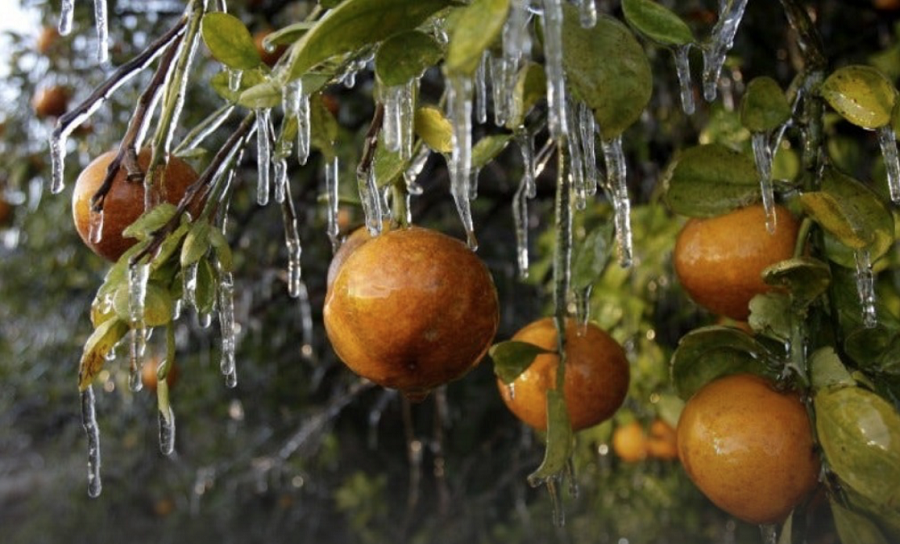
It’s strange to think, with the sun currently blazing, that just a few weeks ago we were shivering through one of the coldest spells in years. That snap didn’t just hit us; wildlife suffered, and local crops took a devastating hit.
When people picture Southwest Florida, they see beaches, lively towns, art galleries, maybe a day at the theater. That’s the postcard version.
But there’s another side: farming. It’s a major industry in SWFL, and it’s not just for the farmers. Agriculture runs deep in our regional economy, touching everyone in Florida.
Farming isn’t just important, it’s vital. The industry takes in over $1 billion in direct sales. Factor in suppliers and food processing, and the impact balloons to nearly $5 billion for the region. People call it one leg of the region’s “three-legged stool” economy, right alongside tourism and construction. Almost 19,000 people work in agriculture here, from picking crops to running ranches.
So, what’s actually growing in those fields? Citrus is big, though not as big as it used to be, thanks to disease. Sugarcane, tomatoes, bell peppers, and other vegetables fill the fields. Livestock plays its part too, with cow-calf ranching a familiar sight across the landscape.
But it’s not all sunshine. Urban sprawl keeps swallowing farmland, and rising land prices make it harder for farmers to hold on. Then there’s citrus greening, a disease so devastating it has slashed citrus production by over 90% since 2003. The industry keeps fighting, but the challenges are real, and they’re not going anywhere soon.
USDA Declares Florida Freeze a Disaster
U.S. Agriculture Secretary Brooke Rollins signed off on a disaster declaration for Florida after last month’s brutal cold front hammered the state. With farms across central and southern Florida taking a $3.1 billion hit in February alone, this move opens the door for federal help.
Wilton Simpson, Florida’s agriculture commissioner, sounded hopeful: “I think we’ve got a chance to, certainly before the end of the year, to maybe do something really good for our farmers.”
He’s not alone in sounding the alarm. Florida officials are calling this freeze one of the worst in recent memory. It hit the heart of the state’s growing regions.
At USDA headquarters in Washington, Rep. Kat Cammack stood with Secretary Rollins while they announced the relief steps. Seven other Florida lawmakers were in attendance, including Byron Donalds, Neal Dunn, Randy Fine, Scott Franklin, Jimmy Patronis, Greg Steube, and Dan Webster. Their presence makes it clear that this disaster has everyone’s attention.
Cammack, a Gainesville Republican, led a bipartisan push for the declaration. Every member of Florida’s congressional delegation signed on, backing her letter to Rollins. For Cammack, the stakes go way beyond Florida: “This is a national security issue. A nation that cannot feed itself, cannot secure itself. This freeze caused widespread, historic, and devastating damage. Farmers are facing wiped-out crops, lost income, and months or even years of recovery through no fault of their own. A USDA Disaster Declaration is essential to get relief on the ground now and protect Florida agriculture and America’s food supply from collapsing under this blow.”
The numbers from the Florida Department of Agriculture and Consumer Services paint a grim picture: $3.1 billion in agricultural losses across the state. Sugarcane growers lost $1.15 billion. Citrus took a $674 million hit. Strawberries, sweet corn, greenhouses, and nurseries all suffered major blows as well.
Last July, the USDA sent $675.9 million to Florida farmers hurt by hurricanes Idalia, Debby, Helene, and Milton. That money, funneled through a block grant to FDACS, covered infrastructure losses and helped citrus and timber producers get back on their feet.
Even though this new emergency declaration won’t mean instant payment, it starts the process. Federal aid is coming, and for Florida’s battered farmers, that help can’t arrive soon enough.