
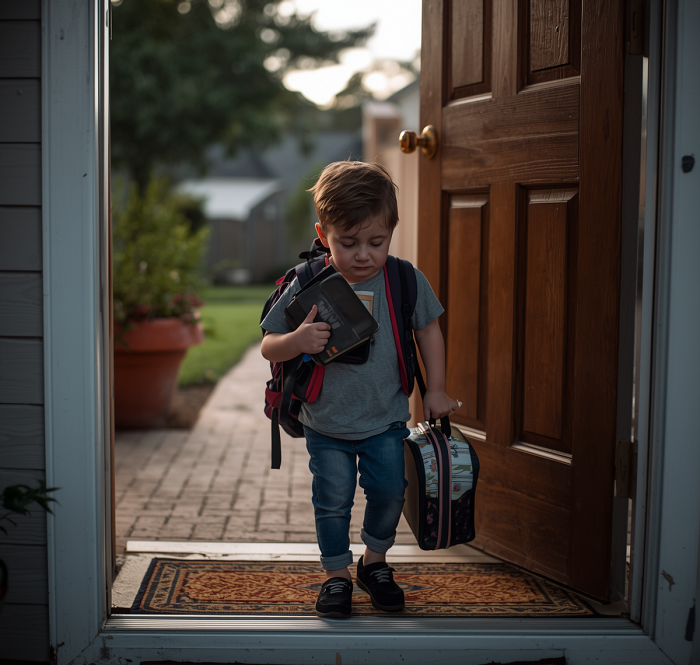
The last few weeks of school can get wild. Suddenly you’re juggling last-minute assignments, sports practices, and emails from teachers, all while trying to organize summer plans. Parents feel the chaos just as much as kids and teachers do. If you’re overwhelmed, you’re definitely not alone.
Maybe you’re hustling through work deadlines, losing track of the calendar, and responding to school notes at midnight. It’s a messy stretch, but making a few small tweaks can help your family keep things together, finish strong, and start the summer with a little less stress. Here are ten ways to ensure you and your kids sail through the finish line.
1. Stick to Your Daily Routine
Longer days tempt us to push bedtime later, let homework slide until after dinner, or skip usual habits. Resist the urge, as routine matters. If your child’s used to hitting homework after practice and getting to bed by 9, stick with it. It saves morning drama and keeps the kids focused. Consistency now makes the last week a lot easier.
2. Set End-of-Year Goals
Yes, summer’s almost here, but you can still set short-term goals. Maybe your child wants to pull up a math grade, tackle a certain number of books, or wrap up with no missing assignments. Take a few minutes together to set one realistic goal. Even a small win feels good, and following through teaches persistence.
3. Keep School a Top Priority
When spring sports and sunny evenings arrive, schoolwork slides to the back burner. There’s a temptation to fill up the calendar, but don’t overload your child with activities. Keep weeknights manageable. They’ll need time and energy for homework and a proper night’s sleep. Academics still count, especially now.
4. Don’t Let Homework Slide
It’s not summer yet. End-of-year grades shape report cards, class placements, and sometimes summer school recommendations. Encourage your child to keep giving their best right to the end. Staying consistent with homework builds discipline, and those habits stick. Remind your child to do the work, even on days when motivation dips.
5. Plan for Summer Learning
Review report cards and teacher feedback. Where’s your child struggling, or just barely holding steady? Reach out to teachers now, before school lets out, and ask what might help your child over the summer. Maybe they need a reading challenge or some math practice. A little preparation pays off.
6. Explore Summer Enrichment Programs
Spring’s the prime time to sign up for camps and workshops, since spots fill fast. There’s something for everyone: academic boosters, drama, art, STEM, and more. If your child could use extra help in math or reading, consider a program that targets those skills. Maybe your kid could benefit from a drama camp to build social confidence. Think about what suits your child best and get signed up early.

7. Prepare for School Changes
Is your child switching schools in the fall? Moving buildings or districts triggers nerves and excitement. Help them adjust by touring the new school or showing up for open houses and orientation events. Even a quick drive-by or a stroll through the halls eases anxiety and builds familiarity, so the first day feels less intimidating.
8. Request Classroom Placement If Possible
Spring is when schools start assigning students for the next year. Some districts let parents submit teacher preferences or share details about what kind of learning environment works for their child. If you have insights, such as your child thrives with a quieter classroom or a hands-on teacher, speak up. Follow school policy; you probably won’t get a specific teacher, but describing the ideal type helps administrators match your child thoughtfully.
9. Encourage a Summer Job or Volunteer Role
Older kids benefit from working or volunteering in the summer. Babysitting, helping at a cafe, volunteering at a local shelter, or interning with a vet builds responsibility and offers a taste of independence. Encourage your teenager to brainstorm options. Hands-on experience teaches life skills and gives one a sense of purpose.
10. Saying Goodbye to Friends and Teachers
Goodbyes, especially for younger kids, are tough. Your child might feel sad about leaving friends or teachers, even if summer’s exciting. Help your child say goodbye meaningfully: write a thank-you note, pick out a small gift, or trade contact information with classmates. Plan a summer hangout if possible. Celebrating the year helps your child wrap things up emotionally.
Endings are messy, but they’re also a chance for a fresh start. Give yourself and your child permission to take things one day at a time. If something goes a little off plan, don’t stress about perfection. With a bit of planning and a steady routine, your child will close out the year feeling confident and supported, and ready for whatever’s next.