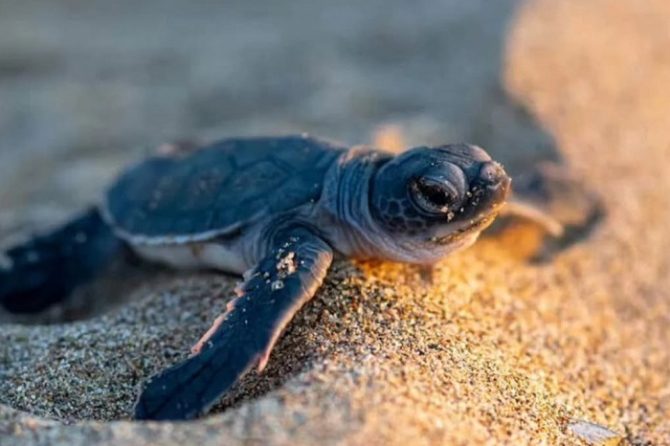
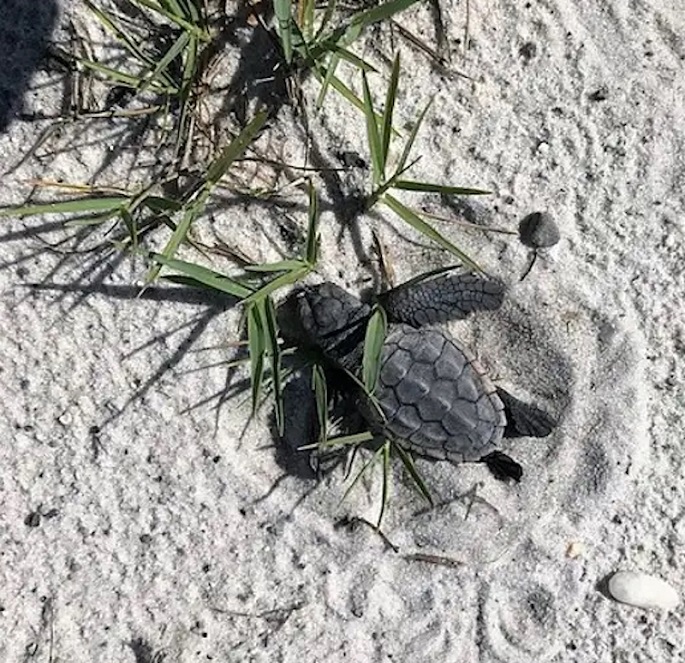
Sea turtle hatchlings getting lost on their way to the ocean. Scientists call it “disorientation,” but that’s just a nice name for a tragedy.
When these tiny turtles go the wrong way, most of them die. It’s a preventable loss, and nowhere in Southwest Florida is the problem worse than Fort Myers Beach. Even the town officials admit it. They’re scrambling to change things.
Maybe you’ve seen them: rows of baby sea turtles, each about the size of a silver dollar, frantically flapping their flippers to reach the water. It’s an incredible sight, and it’s why people feel such affection for loggerheads and green turtles nesting here. Sadly, many never make it.
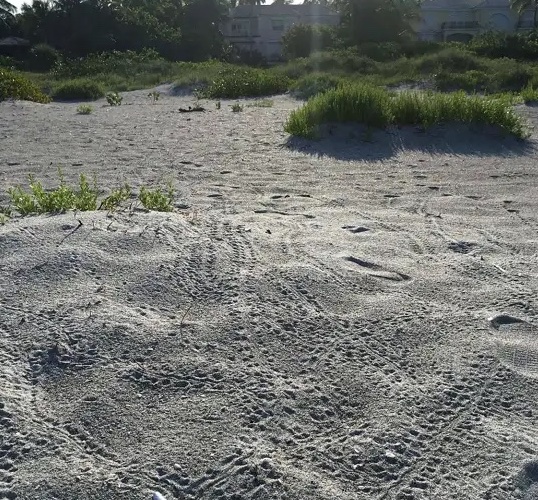
Experts at the Sea Turtle Conservancy, says over 100,000 hatchlings die like this every year. The exact number? Who knows, as it’s too chaotic to count. But it’s clear: most of these deaths are because the turtles chase the wrong light. They should head toward the moonlight reflecting off the Gulf, but they get drawn toward artificial lights from hotels, homes, and stores lining the beach. They exhaust themselves wandering far from the water. The next morning, their tiny bodies litter the sand, or worse, they’re squashed by cars on roads that cut across the shoreline.
It’s hard to overstate how big a problem this is for Fort Myers Beach. Hurricanes like Ian and Idalia tore down trees and structures, leaving the beaches even more exposed to the elements. Now their beaches are wide open, allowing light pollution to interfere with the hatchlings. Sea turtles use the moon and starlight on the waves to guide them, so when there’s too much artificial light, they get confused and turn the wrong way.
Here’s how the process normally goes: after two months of incubation, hundreds of hatchlings claw their way out of the nest, usually at night. They rush toward the ocean, trying to beat dehydration and dodge predators, birds, crabs, anything hungry. If they make it, their home beach gets “imprinted” into their memories, so when the females grow up, they come back to lay eggs in the same spot. But the odds are brutal: only about one in 1,000 survive to adulthood.
Beach towns across Southwest Florida have ordinances to protect sea turtles. Fort Myers Beach fines violators pay $250 the first time, and $500 if there’s a repeat offense.
The solutions are relatively easy, such as fixing lights, especially if you live on the water. Even if your home isn’t on the water, lights can still cause disorientation.
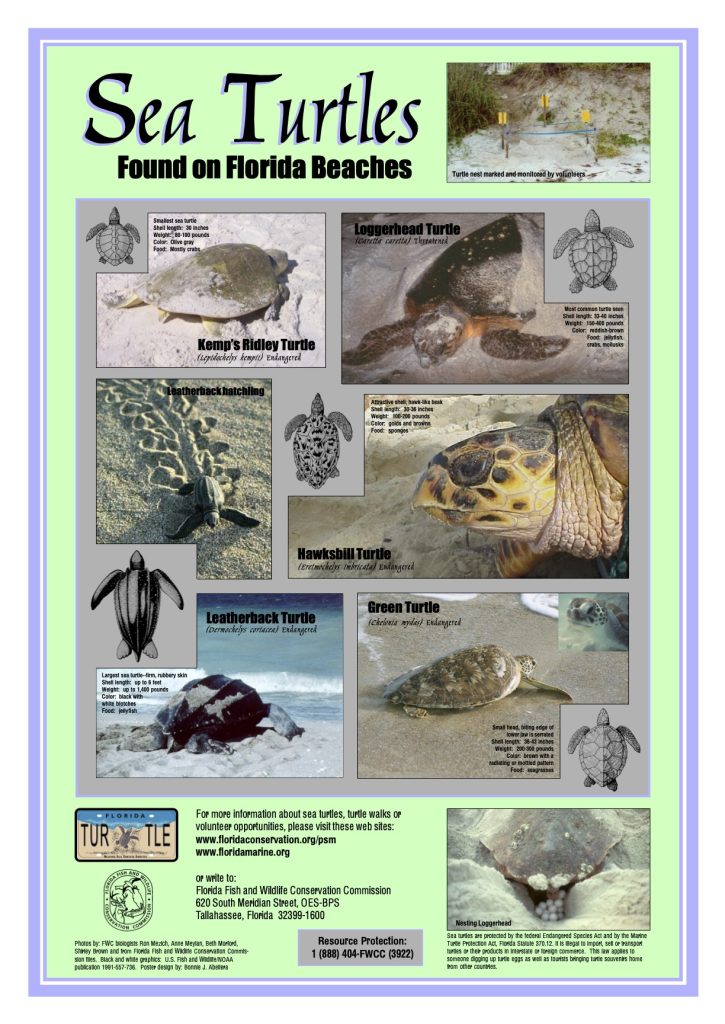
Sea turtle nesting season officially runs from May 1 to October 31, though the turtles don’t stick to schedules. Some arrive early, some hatch late, and the season can stretch into November.
For more information, contact myfwc.com or Sea Turtle Conservancy at conserveturtles.com.