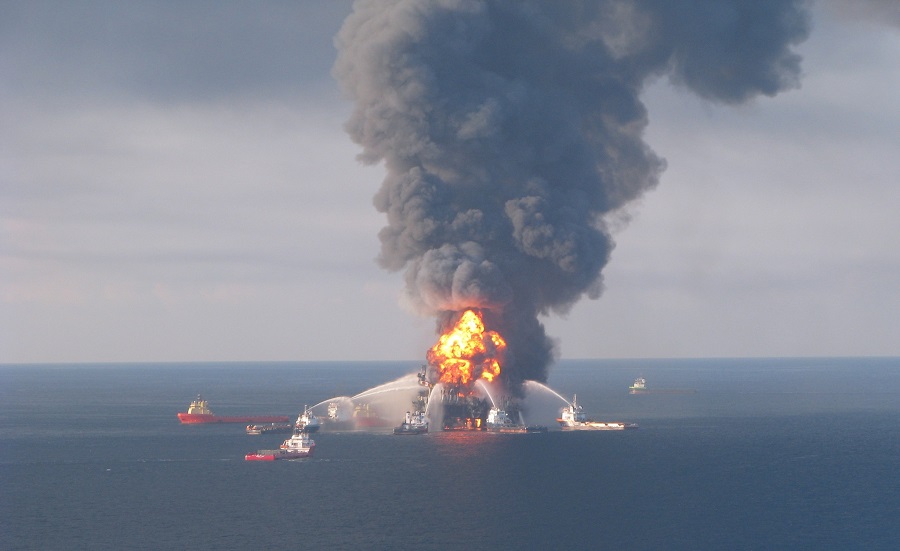
Back in 2010, Southwest Florida’s tourism industry took a nosedive after the Deepwater Horizon oil spill. Local businesses felt the pain, with over 500 claims for economic losses in Charlotte, Lee, and Collier counties alone adding up to $23.5 million.
The Deepwater Horizon disaster started with an explosion in April 2010, killing 11 workers and unleashing an environmental crisis. For nearly three months, around 134 million gallons of oil poured into the Gulf before they finally capped the well. In 2016, BP, the federal government, and Gulf states settled for about $21 billion to pay for long-term recovery, with Florida’s portion topping $3 billion.
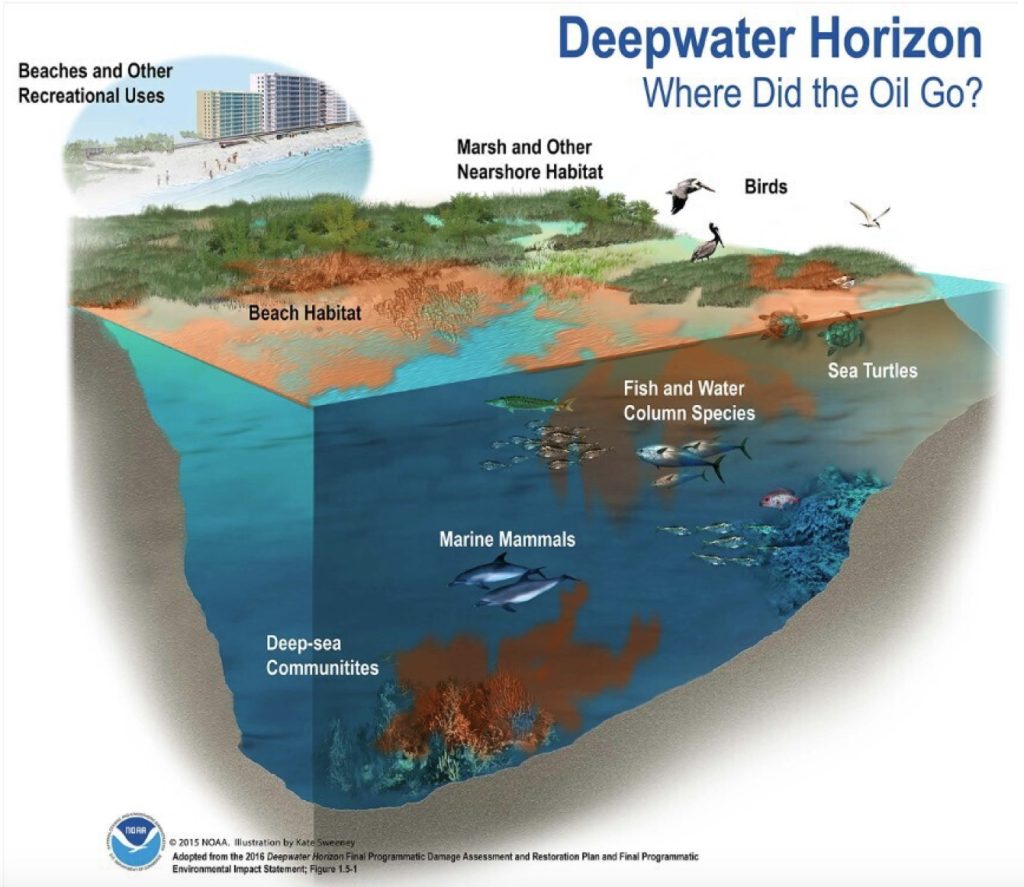
While the Loop Current helped steer much of the oil away from Southwest Florida’s beaches, the region still suffered. Fear and uncertainty emptied hotels and restaurants, hurting everyone from fishermen to hoteliers.
The Florida Department of Environmental Protection (DEP), the agency in charge of handling Florida’s share of the BP settlement, was accepting proposals for a fourth round of Gulf Coast restoration projects. While that official date has passed, it’s never too late to be more informed and express your opinion, especially when oil drilling in the Gulf is back in the news.
The state wants ideas that address both water quality and the impact on wildlife, especially sea turtles and dolphins, which showed up stranded on local shores for years after the spill. They also want practical solutions to deal with runoff that damages coastal habitats. This could include anything from paying farmers to keep fertilizer out of creeks and rivers, to managing forests for less erosion, to planting grassy buffers along waterways.
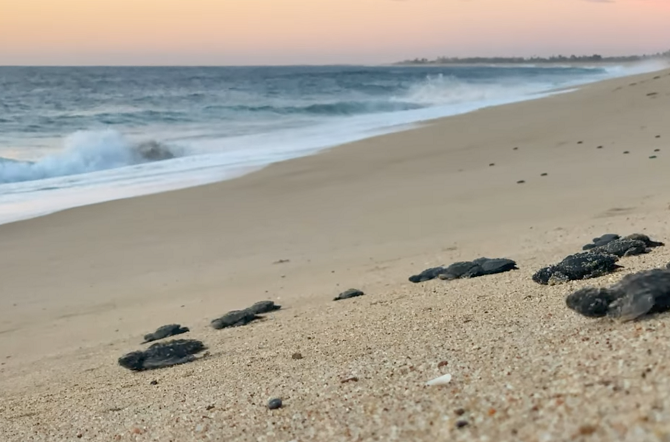
Water quality projects need to target pollution and bacteria pouring into bays, restore wetlands, and protect shorelines. For sea turtles, DEP’s looking to improve how agencies handle sick, injured, or dead individuals when they wash up on shore.
Birds, too, need safe places to nest and feed. The DEP’s open to creative ideas. One suggestion is building protective mounds of oyster shells for birds like the American oystercatcher. Another: stationing volunteers during nesting season to keep dogs and crowds away from vulnerable chicks. Some think installing rock piles or offshore reefs could keep waves from flooding nests that are set right in the sand.
Click here to go to the NOAA website or The Florida Department of Environmental Protection (DEP), for more information.