Southwest Florida is feeling the effects of a stubborn drought, and the region’s main water reserve is down to about half its capacity. The Peace River Manasota Regional Water Supply Authority usually has enough water stored to last more than a year, but that cushion has shrunk to eight months.
Even with supplies down, there’s no call for panic. The region’s backup systems are fulfilling their designed purpose, helping keep water flowing to homes and businesses during dry spells. That matters most for people in Sarasota, Charlotte, and DeSoto counties, who all depend on the authority for their water.
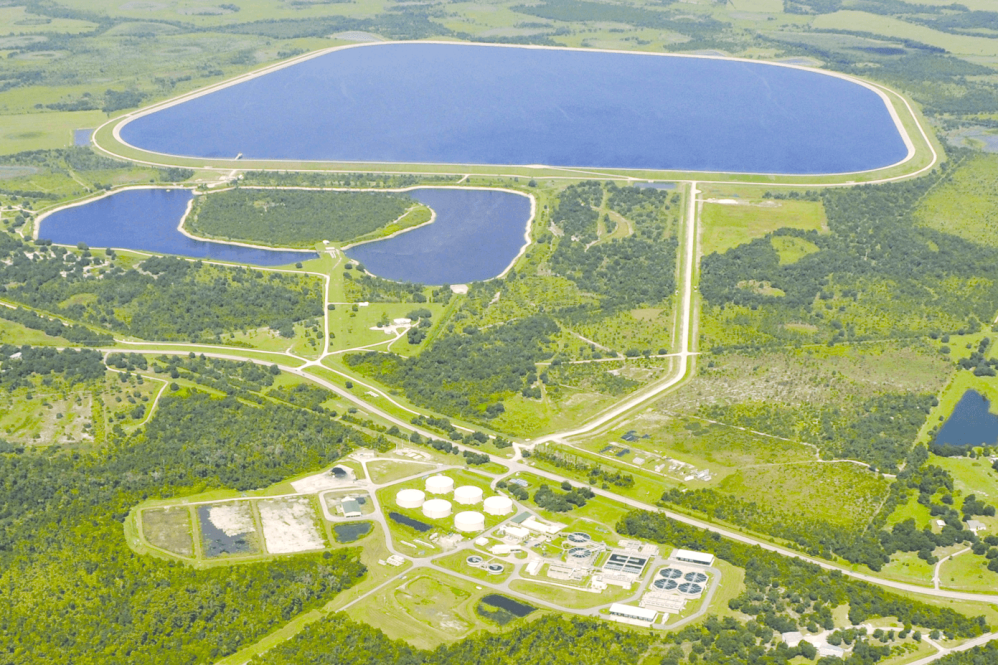
The system pulls water from the Peace River, treats it, and either sends it out for use or stores it deep underground through its Aquifer Storage and Recovery setup. There’s already a second reservoir online, and a much larger one, able to hold 9 billion gallons, is under construction to bolster reserves even more for the future.
Right now, the drought is putting all that preparation to the test. This is the region’s worst water shortage in nearly ten years. The Southwest Florida Water Management District has activated Phase 3 water restrictions, its toughest rules, something that hasn’t happened since 2017.
Since November, water levels in the Peace River have dipped below what’s normally allowed for withdrawal. So, in March, authorities issued an emergency order giving temporary permission to keep drawing water, just not as much as usual.
The numbers show why the system’s storage is so crucial. The authority collected about 8.7 million gallons per day from the river in March, but supplied over three times that amount to the community. That extra water is coming from reserves, both in above-ground reservoirs and the underground aquifer system. These are the buffers Southwest Florida needs as climate swings between wet and dry spells become the new normal.
These preparations help the region avoid immediate water shortages and keep taps running. Environmental advocates still push for conservation, pointing out that overdrawn rivers suffer. Declaring an emergency allows for water withdrawal beyond permitted limits, which experts warn could devastate the river’s resources. Low river flows can disrupt habitats, fuel competition between plants, and force animals to move in search of water, which can quickly reshape the ecosystem.
One long-term challenge could be higher treatment and pumping costs during the summer rainy season, as the system refills. But officials say customers probably won’t see these added costs on their bills.
Right now, there’s no drinking water crisis, and Southwest Florida is investing in even more infrastructure to weather drier years. But a half-empty reservoir is a flashing warning sign. Real resilience will take more than just bigger storage; it depends on smarter conservation, mandatory protections, and a healthier river.
Click here for more information.