Florida isn’t used to freezing temperatures, but this February, an arctic blast has turned the Gulf Coast upside down.
Marine life in Southwest Florida is taking a tremendous hit. With projected record-breaking cold, thousands of fish are dead or dying, and hundreds of endangered sea turtles have washed ashore, barely moving, completely “cold-stunned.”
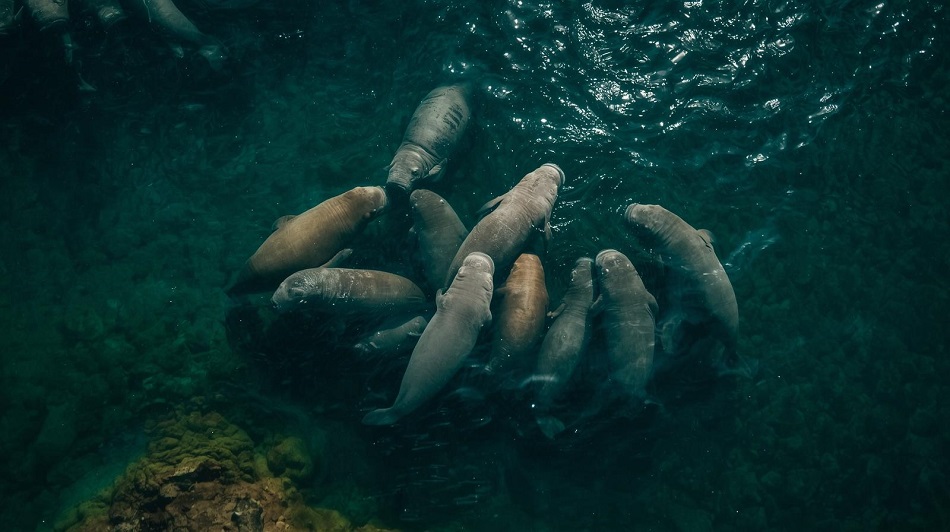
As of February 20, 2026, approximately 25 to 30 manatees have died in Southwest Florida (specifically Lee County) because of cold stress and potential, temporary loss of warm water refuge. The fatalities occurred primarily between Feb. 13 and Feb. 18, 2026, near the Orange River and Manatee Park.
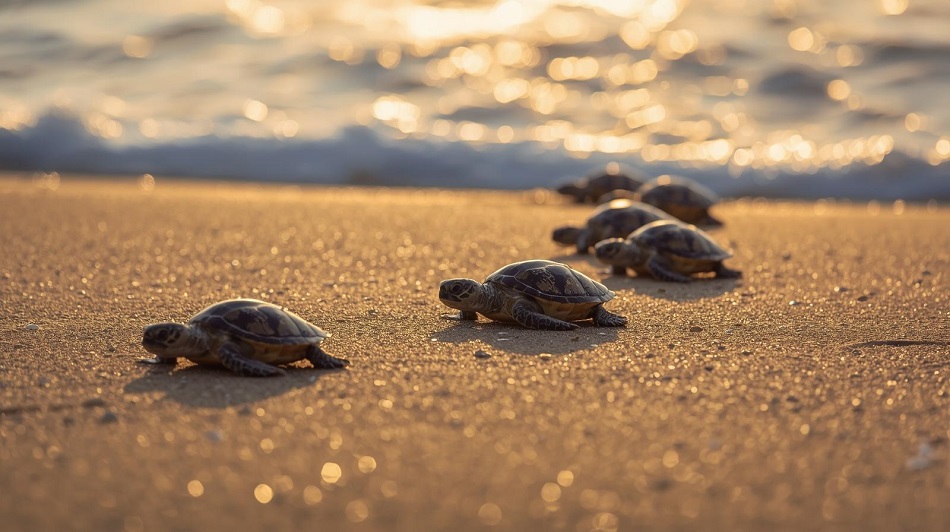
Wildlife officials say this is the worst marine die-off they’ve seen in at least 15 years. The water dropped below 50 degrees, far too cold for sea turtles which causes them to shut down. As of the end of February, rescue workers have pulled almost 800 turtles off the beaches, most of them suffering from hypothermia.
“When the water drops into the 40s, turtles just can’t handle it,” says Allen Foley, a wildlife biologist with the FWC. “They might last for a little while, but after that, they start to go under.”
Rescue teams from the Clearwater Marine Aquarium and Mote Marine Laboratory have been working nonstop, trying to warm up and revive mostly young green sea turtles. They’ve saved hundreds, but no one knows how many more died in deeper water, out of sight.
It’s not just turtles. The cold snap has affected fish from Charlotte Harbor down to Collier County. Snook, tarpon, spotted sea trout, jacks; all tropical species — are simply too sensitive for this kind of sudden chill. Even invasive fish like tilapia and Mayan cichlids haven’t survived. As a result, dead fish line the canal banks and marina docks, and the smell is impossible to ignore.
“It’s not just the cold—it’s how fast it hits,” says another biologist on the scene. “That shock stuns the animals, and the die-off is immediate.”
FWC warns people: don’t push cold-stunned turtles back into the water. They need time in warm rehab tanks if they’re going to make it. Instead, call the FWC hotline (888-404-FWCC) or report online at MyFWC.com/ReportFishKill if you spot turtles in trouble or see large fish kills.
With the cold expected to stick around this week, biologists are bracing for even more losses. The numbers could climb, and for Florida’s marine life, this cold front is turning into a real disaster.