Back in February 2026, Englewood REVIEW covered a story that really took off; literally.
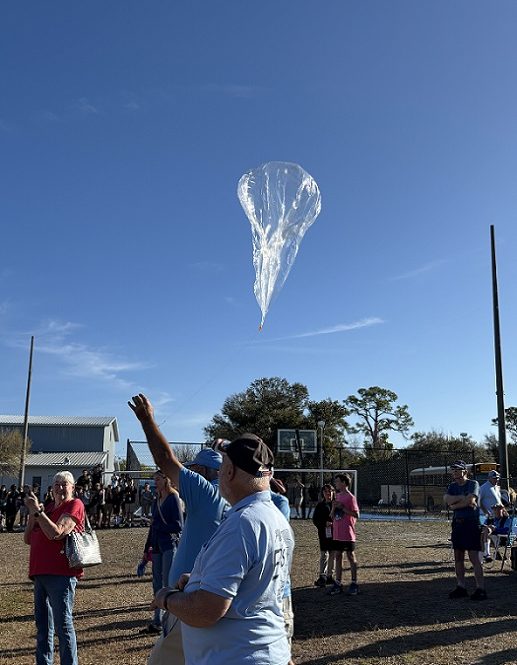
Flight Path to Learning: SKY Academy and EARS Bring Meteorology to Life wasn’t just a catchy headline. On February 19, SKY Academy students, led by their STEM teacher J.T. Tremaine, guided by Bill Reed and the Englewood Amateur Radio Society (EARS), launched a real weather balloon. The Englewood REVIEW crew was there, cameras rolling, as students hustled out onto the field to assemble the gear and prep the balloon. No boring textbook reading here; these kids chased live data in real time.
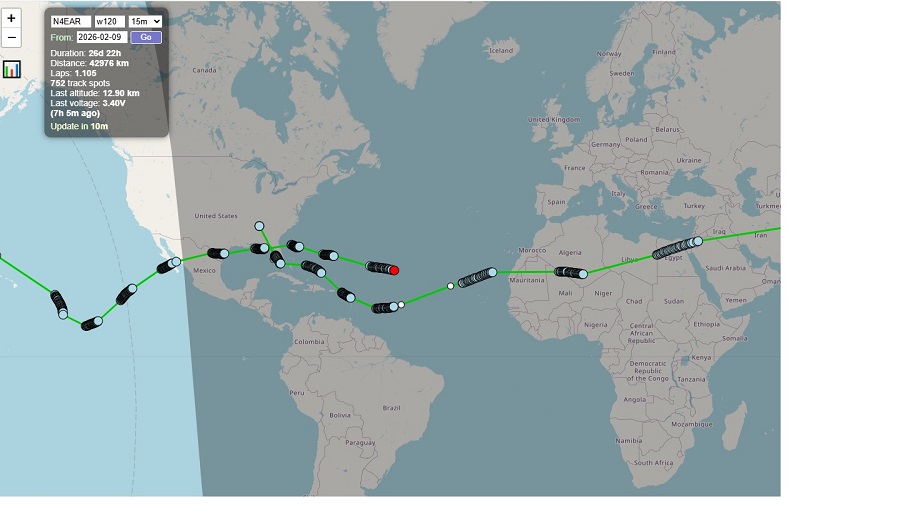
Englewood REVIEW received a major update: the Pico balloon just finished its first trip around the world.
The weather balloon launched from SKY Academy on February 19 has already circled the globe.
EARS shared their latest news with Englewood REVIEW:
The N4EAR-1 Pico balloon, just 22 inches wide, lifted off from SKY Academy right after 9 a.m. on Wednesday, February 18. The launch got off to a dramatic start thanks to a downdraft, but five hours later, it was cruising at 42,000 feet.
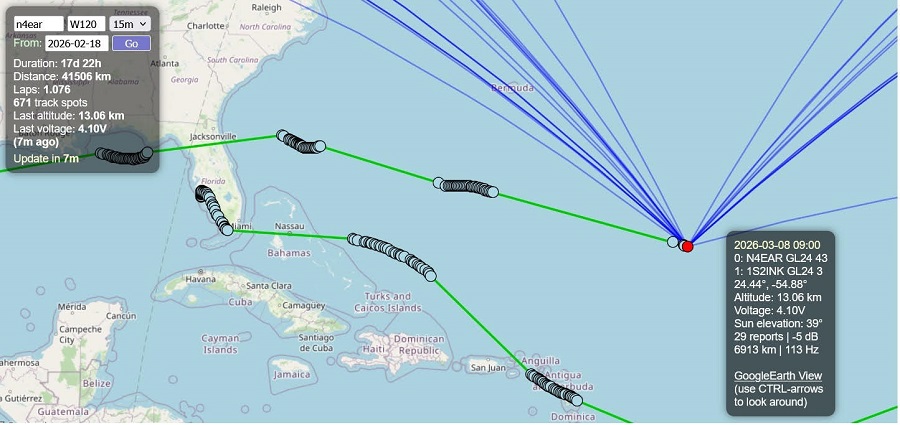
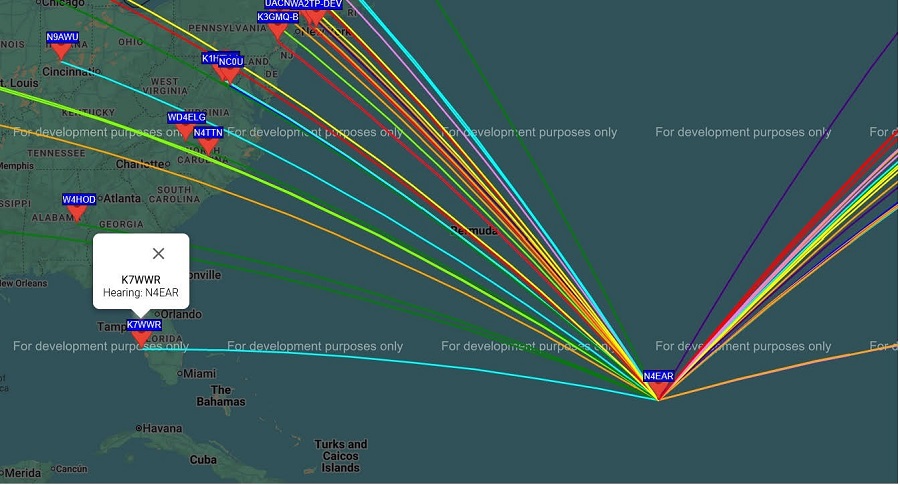
Fast forward sixteen days to Thursday, March 5. The balloon passed over northern Florida after an epic journey of 24,385 miles, averaging 62 mph. Sometimes it slowed to 20 mph, while other times it rocketed past 170 mph. But the balloon didn’t feel a thing; it just floated along with the wind.
For those who would like to track the weather balloon, you can check out its real-time location here:
https://wsprtv.com/?cs=n4ear&ch=W120&band=15m&start_date=2026-02-18
Here’s a fun fact: global tracking for this balloon doesn’t rely on satellites. Instead, Pico balloonists use an amateur-radio mode called WSPR, which stands for Weak Signal Propagation Reporter. Joseph Hooton Taylor Jr., the Nobel Prize winner in Physics, helped develop it.
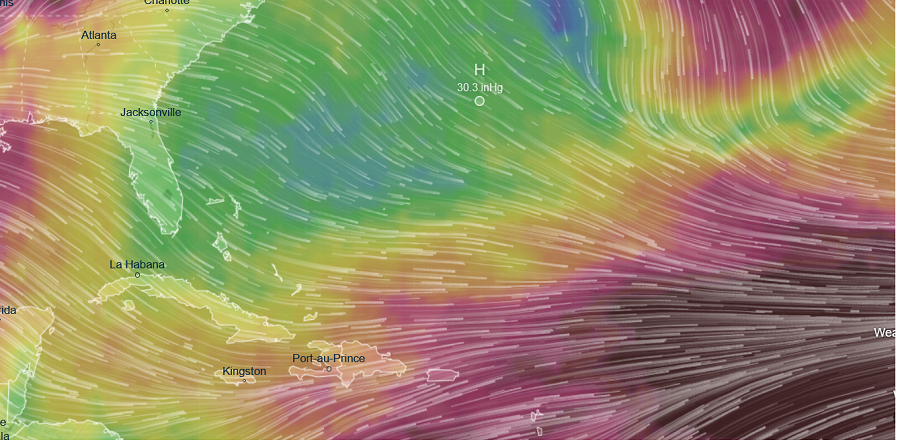
During its night flight over Florida, north of Gainesville, the balloon dodged some nasty thunderstorms. Those could have ended its journey right there, but it made it out safely and is back drifting over the Atlantic.
This isn’t your typical science project. SKY Academy students got hands-on experience and learned directly from EARS members, seeing firsthand how STEM works out in the real world. It wasn’t just theory; it was the real thing.
“We get to learn a lot about the weather and how the wind affects aircraft, weather and stuff like that,” said Noah, a SKY Academy student, practically buzzing with excitement.
EARS president Bill Reed broke it down: “The balloon is a high-altitude Pico balloon, just 15 grams with a tiny radio transmitter. It tracks altitude, speed, temperature, humidity, and GPS coordinates.”
And this isn’t just for show. The National Oceanic and Atmospheric Administration tracks the balloon too, pulling live weather data straight from the students’ experiment.
This is a breaking story; stay tuned for developments.