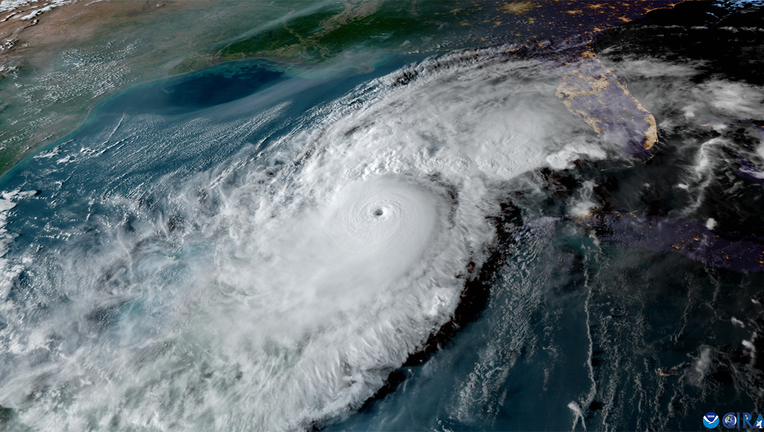
May marks Hurricane Preparedness Month. It’s also an official reminder that hurricane season runs from June 1 to November 30.
As we look ahead to 2026, the focus is shifting to El Niño. NOAA now gives it an 82% chance of developing between May and July, and says there’s a strong likelihood it persists through the coming winter. Typically, when El Niño sets in, the Atlantic hurricane season slows down, with fewer named storms forming. The reason is that stronger upper-level winds over the Atlantic generate more wind shear, which makes it hard for hurricanes to organize and strengthen.
On Friday, May 15, 2026, the National Hurricane Center released its first outlook for the 2026 Atlantic hurricane season. So far, there are no areas of concern. The new outlook highlights possible tropical development as we head into June.
What does this mean for Florida? History shows we can’t let our guard down. Even quiet years have outliers; Andrew in 1992 and Michael in 2018 both hit during El Niño years and left lasting scars. So, all it takes is one storm. But for most of the season, El Niño tends to keep things calmer.
The impact deepens in winter. El Niño often brings a more active southern jet stream across the Gulf Coast and Florida. This flow pulls in more moisture and more storm systems, which means above-average rainfall through the dry season. Long-range models already suggest December and January could be wetter than usual if El Niño strengthens. More rain helps cut drought risk, but can also mean rougher winter weather and the chance of severe storms.
Forecasters are growing more confident that El Niño is on the way, but there’s still some uncertainty about its ultimate strength.
Englewood sits across both Charlotte and Sarasota counties, which makes preparedness trickier. Residents need to check resources from both counties and make sure they know which evacuation zone they’re in. Start by using the Florida Division of Emergency Management’s address lookup tool to find your exact zone.
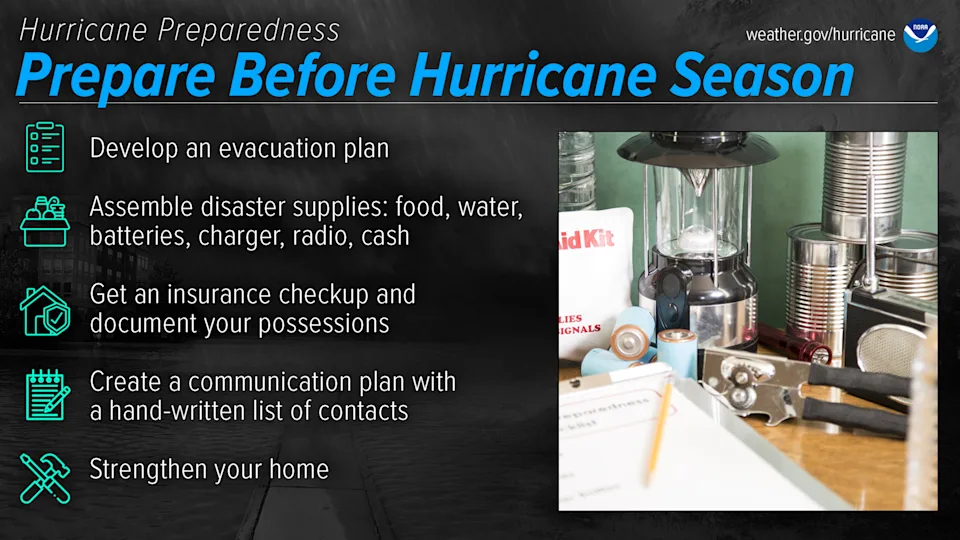
Here’s a quick hurricane prep checklist:
– Make sure you have at least a week’s supply of water (1 gallon per person per day) and non-perishable food.
– Keep at least a two-week supply of prescription meds.
– Stock up on practical hardware: flashlights, extra batteries, battery-powered or hand-crank radios, tarps.
– Don’t forget sanitation: heavy-duty trash bags, bleach, and a 5-gallon bucket for emergencies.
– Secure important documents (IDs, insurance papers) and keep some cash handy.
Download local safety apps, secure your home with the right tools, and know your nearest shelter locations. If you or a family member has medical needs, register with the Florida Division of Emergency Management’s Special Needs Registry to arrange transportation or electrical help during power outages. After a storm, check the Englewood Chamber Storm Center for damage help and debris removal info. To find open shelters, use the American Red Cross Shelter Finder.
Stay alert, make a plan, and get supplies in place because, as we all know too well, hurricane season waits for no one.
Important links for hurricane information:
NOAA
Lee County Southwest Florida
Charlotte County Hurricane Preparedness
Englewood Chamber Storm Center
Sarasota County Hurricane Preparedness
American Red Cross Hurricane Resources
National Hurricane Center (NHC)