
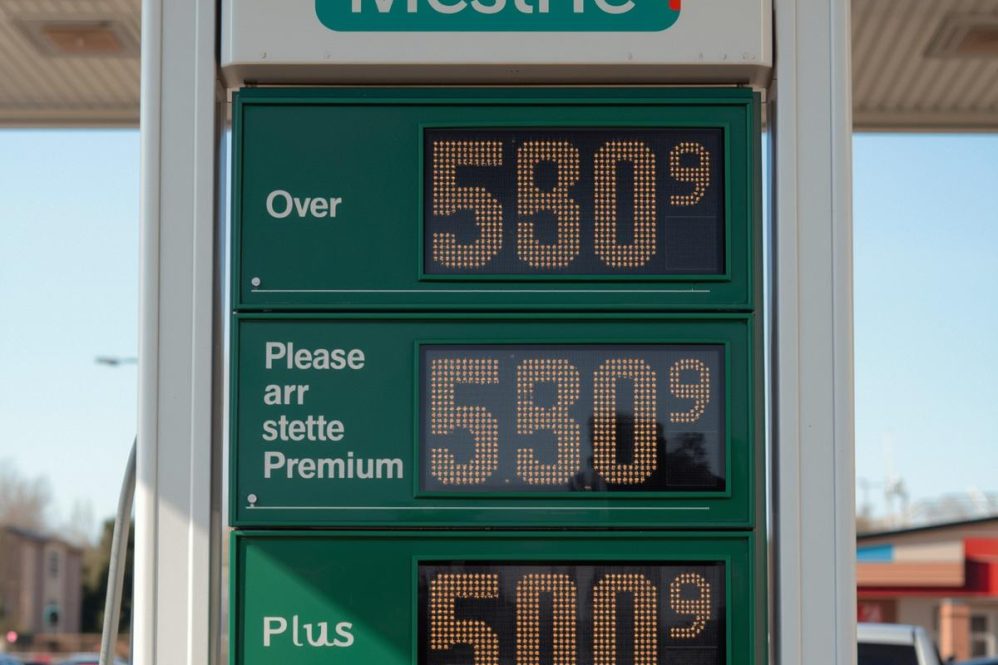
Experts say gasoline prices are on the verge of dropping below $4 a gallon. Oil prices took a sharp dive on Friday, April 17, 2026, right after Iran announced the Strait of Hormuz was open again for commercial shipping.
But wait. As of Saturday, April 18, 2026, Iran stated its intention to close the Strait of Hormuz once more to commercial vessels, threatening to target any approaching ships. The closure came as reports emerged of vessels in or near the strait, including a tanker, being targeted by Tehran on Saturday.
Brent crude, the world’s main oil benchmark, is still down to about $90 a barrel, over $10 lower than last week. U.S. crude slipped under $85, and that’s quite a difference from the $110 highs during the conflict.
These drops occurred after Iran declared the Strait of Hormuz open for commercial traffic during a ceasefire period. However, market analysts note that the situation remains volatile, and prices could rise again as tensions renew.
Patrick De Haan, who tracks petroleum markets for GasBuddy, told NPR that drivers will see this reflected at the pump soon. The national average now floats above $4, but De Haan thinks it’ll dip below that threshold. He expects prices to land between $3.65 and $3.85 per gallon within the next couple of weeks.
Of course, gas stations aren’t able to cut prices right away; they have big tanks already filled at higher prices, and they need to earn that back. Still, De Haan points out that wholesale gasoline has started to drop just hours after the crude markets fell, which is unusually quick.
Immediate relief is coming, he said, and even greater relief should show up in a month or two as things settle and supply chains return to normal.
But oil prices remain volatile. While they’ve fallen from wartime highs, they’re still above their pre-conflict levels; benchmarks hovered near $60 before everything broke loose in the Middle East. The risk of sudden volatility persists. Even if peace prevails, it’ll take time for the market to stabilize.
Disruptions at the Strait of Hormuz and attacks on oil infrastructure sent crude prices soaring and pumped up U.S. gasoline by nearly $1 a gallon on average. By Labor Day, De Haan predicts that about half of that spike should unwind.
Airlines have experienced significant losses because of surging jet fuel costs. Carriers worldwide are canceling flights and raising fees as jet fuel prices have doubled.
De Haan warns that getting average gasoline prices below $3 might take much longer. For each day of this crisis, unwinding market disruptions could take a week. He estimates it could be late this year or early next year before prices really settle.
The energy consultancy Rystad Energy puts the repair bill for Middle East oil and gas facilities at up to $50 billion. Even operational fields aren’t quick to restart; they need weeks to bring production back online. Shipping crude and fuels around the globe eats up even more time, since tankers can take weeks on the water.
The temporary reopening of the Strait of Hormuz could relieve short-term pressure on oil markets, despite the immediate reclosing. However, there is no instant fix in this volatile and quickly changing story. Damaged infrastructure and delayed production will keep prices elevated for months, maybe longer, even if headline risks fade.