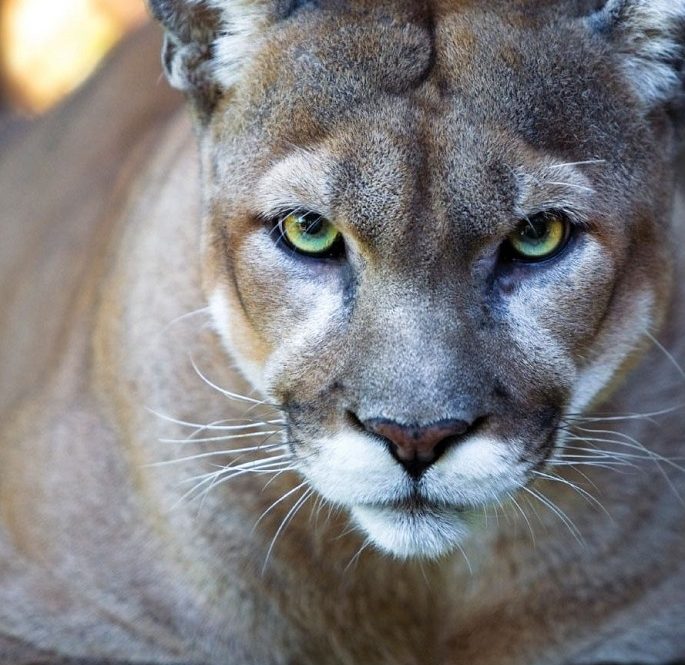
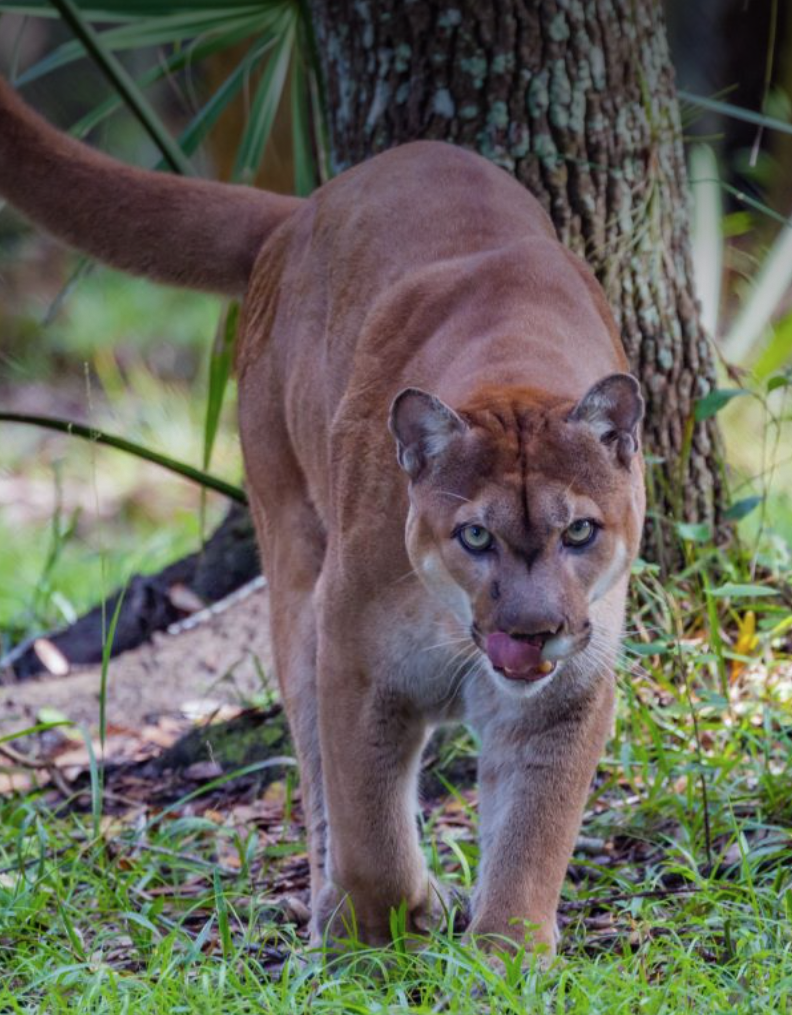
The Florida panther, one of the most endangered mammals in the U.S., has become a driving force behind efforts to protect what’s left of wild Southwest Florida. With only about 120 to 230 adult panthers left, extinction isn’t just a distant worry: it’s happening in real time, right before us.
The panther is on the Endangered Species list, but that label hasn’t stopped developers from tearing up the landscape. The cats don’t have enough truly protected ground to survive, and that’s pushing them closer to the edge. Nearly a third of South Florida’s forests vanished since the 1930s, replaced by rows of houses and fields. And as the land fragments, the panther’s odds of making a comeback shrink.
This is even more disturbing as we learn the news that Florida lawmakers just cut all new funding for Florida Forever, the state’s leading land conservation program, for the upcoming year. Three years ago, they promised at least $100 million annually. Now, they’re set to vote on a budget that breaks that promise, leaving the program empty-handed.
It wasn’t always so grim. Florida panthers once roamed as far west as Louisiana and blanketed much of the Southeast. Now, almost every breeding panther lives south of the Caloosahatchee River. The best science, particularly from biologists like Kautz and his colleagues, marks Collier, Lee, and Hendry counties as the “Primary Zone,” the last stronghold. If these lands disappear, so do the panthers.
Groups like the Conservancy of Southwest Florida keep fighting to protect these last key areas. They push back against projects like Rural Lands West, a sprawling 4,100-acre development planned for the heart of panther territory, insisting new growth moves outside the core habitats that panthers need most.
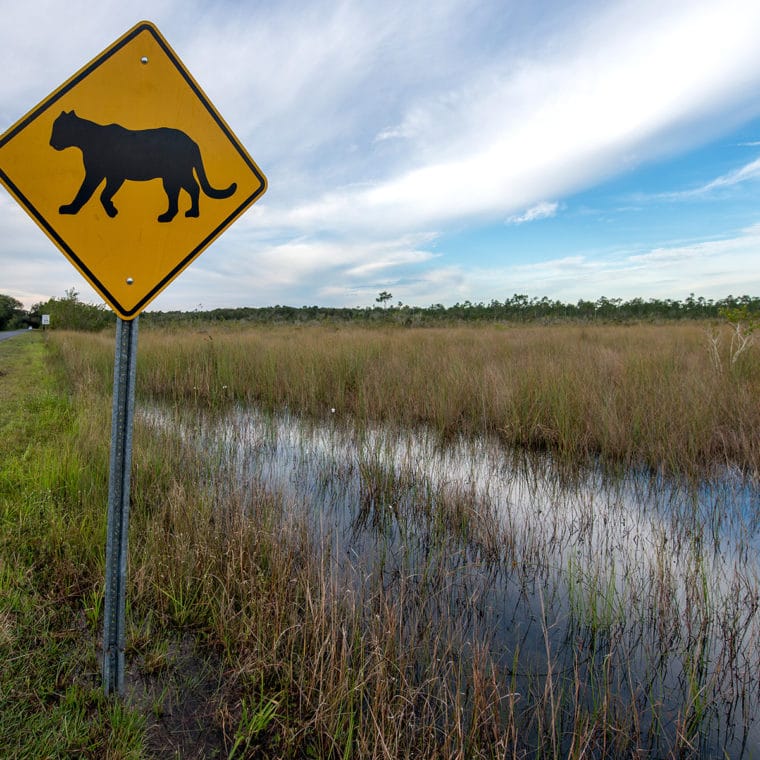
Connecting these isolated scraps of wild land matters. Panthers need space, and development keeps squeezing them into smaller pockets. They end up cut off by roads and neighborhoods. For the population to spread north and grow, wildlife corridors must link these isolated “islands” of habitat. But roads can be deadly. Each year, cars kill a heartbreaking number of panthers as they try to cross highways that slice up their territory. Smarter road designs and new corridors can give them a fighting chance, letting them move safely and helping keep their populations alive.
Then there’s intraspecific aggression, territorial fights between panthers themselves. When habitats shrink, panthers crowd together. Males need about 200 square miles; females, about 75. When they’re boxed in, fights break out, and the weaker cats don’t survive. Protecting large, connected habitats eases this pressure, cutting down on deadly clashes.
Back in 2017, the U.S. Fish and Wildlife Service started a review of the panther’s status, looking at the latest research to decide whether the animal should stay listed as Endangered. Downlisting or delisting could strip protections, while relisting as a “Distinct Population Segment” brings new debates. But given what the panther is up against, shrinking habitats, rising populations, more roads, and increasing isolation, keeping it listed as Endangered feels necessary.
Florida panthers have shaped these ecosystems for thousands of years. They’re more than symbols; they’re part of the landscape. Picked as the state mammal by Florida students in 1982, the panther’s fight for survival is the fight for Florida’s wild future. The Conservancy of Southwest Florida, along with its partners, is determined to keep that future alive, pushing for top-level protections so these cats can keep prowling Florida’s wildlands for generations to come.
For more information, contact The Conservancy of Southwest Florida at conservancy.org.