Lee County wants people to protect local waterways, especially during the summer when the county bans fertilizers with nitrogen and phosphorus. Those months stretch from June 1 to September 30, and instead of reaching for regular fertilizer, homeowners should use safer, earth-friendly options. These alternatives keep lawns looking good and help the environment.
Start with compost. It’s not complicated, just mix carbon-rich “browns” like dead leaves, branches, twigs, sawdust, or shredded paper with nitrogen-rich “greens,” such as grass clippings, fruit and veggie scraps, tea and coffee grounds, lint, or hair. Stick to about three parts browns for each part greens. Keep it moist and give it a stir every so often. When everything’s broken down, you’ve got a rich, natural fertilizer for your lawn or landscaping.
Mulch is another easy fix. Use pine bark or something else organic. It helps the soil hold moisture, stops erosion, feeds plants, and puts a damper on weeds. UF/IFAS suggests organic mulch because it works well and improves soil quality.
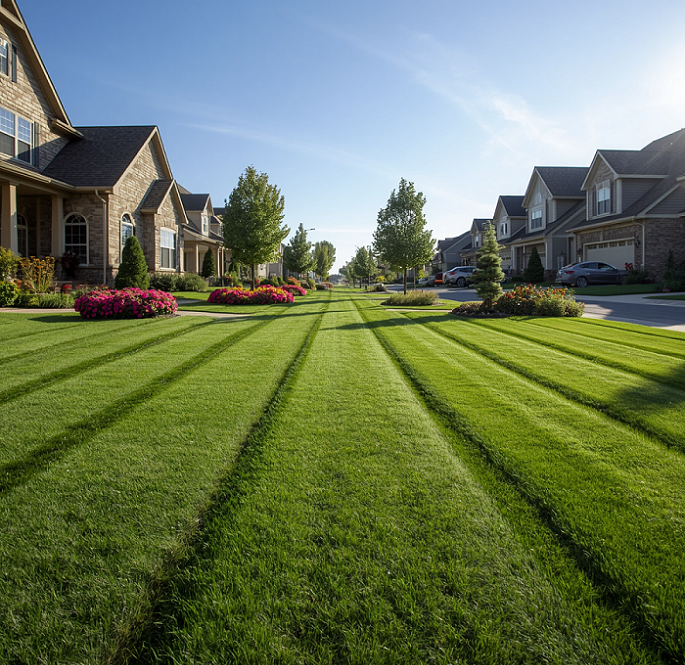
Don’t forget about grass clippings. Instead of blowing them away after mowing, leave them right where they are. They offer nitrogen naturally, feeding your lawn as they decompose.
Lee County’s Fertilize Smart guidelines apply year-round, but avoiding fertilizer during the summer is crucial. Switching to compost, mulch, or grass clippings keeps your yard healthy while keeping Southwest Florida’s waterways safe. Your choices matter, so make the switch this summer.
Click here for more information.