
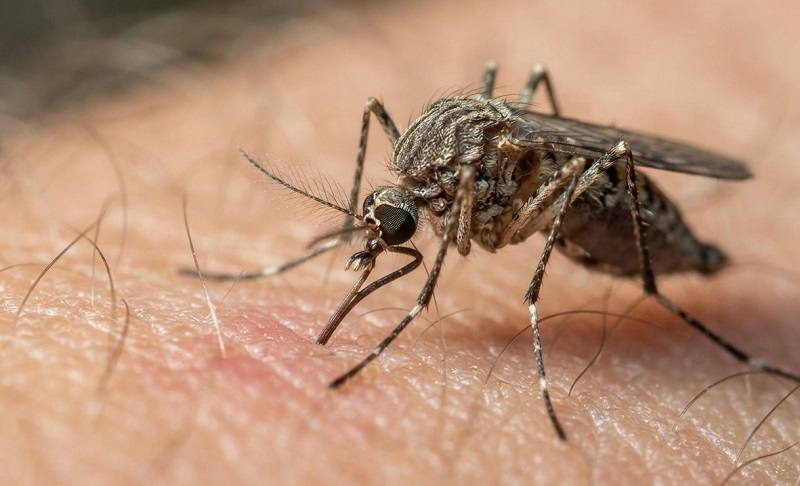
Florida is facing its worst dengue outbreak yet, with 252 locally acquired cases so far this year, already breaking the record set just last year. This surge isn’t slowing down either. In the latest weekly count, the state logged 62 new cases, and most of the numbers trace back to Hillsborough County. Out of the total, 223 are from Hillsborough alone.
Last month, the outbreak turned fatal. The state’s first dengue-related death of the year happened in Hillsborough County, underscoring how serious the problem’s become. Now, county officials have extended their local state of emergency through October 8. This move isn’t just bureaucratic; it frees up more resources to attack the mosquito explosion head-on. Eric Long, who leads mosquito operations, said it lets them ask for extra help, something they clearly need. Residents are already seeing more mosquito spray helicopters in the sky.
Officials are warning people to drain any standing water around their homes. That’s not just a casual suggestion; any stagnant water can turn into a mosquito nursery, fueling the outbreak.
The numbers keep climbing. According to the latest arbovirus surveillance from the Florida Department of Health, the cases have unfolded mostly in July (21 cases), shot up in August (150), and stayed high in September (81 as of the last report). Hillsborough crews are ramping up mosquito treatments both in the air and on the ground. They’re also working closely with health officials and collecting more mosquitoes for testing. So far, they’ve detected DENV-2 in 19 separate mosquito pools across the county this year, including three new pools just last week.
Hillsborough is not the only county affected by the outbreak. Cases have shown up in Miami-Dade, Orange, Palm Beach, Pasco, Pinellas, and Polk counties as well. Still, some areas, like Lee, Collier, Charlotte, Hendry, and Glades, have seen no local cases, at least not through late September.
It’s not just about where you live, either. The state tracks infections by the county where exposure happened, not necessarily where the patient resides.
The record-breaking numbers and ongoing emergency measures mark a turning point for Florida’s fight against dengue. The coming weeks will be critical as officials race to contain the spread and limit the damage.