

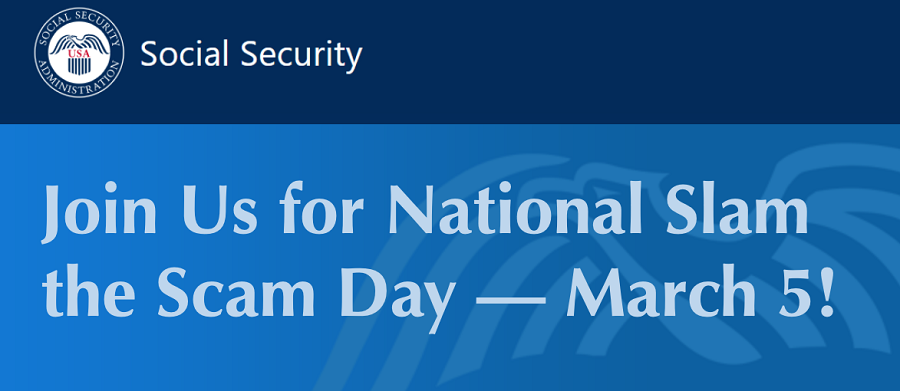
Mark your calendar: March 5, 2026, is National Slam the Scam Day. The Social Security Administration and its Office of the Inspector General are leading the charge during National Consumer Protection Week, teaming up with the Federal Trade Commission to help you spot imposters and shut scammers down before they get your money or personal information.
If you live in Florida, you need to pay extra attention. The state ranks second in the country for elder fraud, and the numbers are staggering. Seniors over 60 lost more than $335 million in over 9,000 reported cases in 2023. Southwest Florida, with its significant retiree population, is a favorite target. Scammers there run tech support cons, romance scams, and investment schemes. Some people lose hundreds of thousands of dollars, sometimes even more than $300,000 in a single hit.
Here’s what’s really happening:
– Florida isn’t just near the top; it’s consistently second in the nation for fraud losses.
– Tech support scams are everywhere, but romance and investment scams are catching up.
– Most of the time, scammers reach out by phone—41% of high-dollar scams start there. Online ads and pop-ups account for another 15%.
– For payment, crooks are asking for cryptocurrency (33%), bank transfers (20%), and even cash or gold (16%).
– And here’s the kicker: over 63% of people aged 55 and older never report the fraud. They keep it to themselves.
The most common scams targeting seniors look like this:
– Tech support scams: Someone calls pretending to be from Apple or Microsoft and claims your computer’s infected.
– Government or business imposters: They act like they’re from the Social Security Administration, the police, or even your bank.
– Romance scams: Scammers build trust over weeks or months, then ask for money.
– Investment schemes: They promise big returns, then empty your savings.
Here’s how you can fight back:
1. Learn the warning signs. Watch out for “urgent” problems or surprise offers, pressure to act right now, or strange payment requests—like cryptocurrency, gift cards, gold bars, cash, or wire transfers, even if they promise it’s for your own safety.
2. Tell your friends and family. Head to ssa.gov/scam for tips that’ll protect you and your loved ones.
3. Report anything suspicious. If it’s Social Security-related, go to oig.ssa.gov/report. For anything else, use reportfraud.ftc.gov.
You can also reach out to these agencies:
– FBI: 1-800-CALL-FBI or tip.fbi.gov
– IC3: www.ic3.gov (Internet Crime Complaint Center)
– FTC: ReportFraud.ftc.gov
Don’t wait. Learn the signs, spread the word, and report scammers. That’s how we slam the scam.