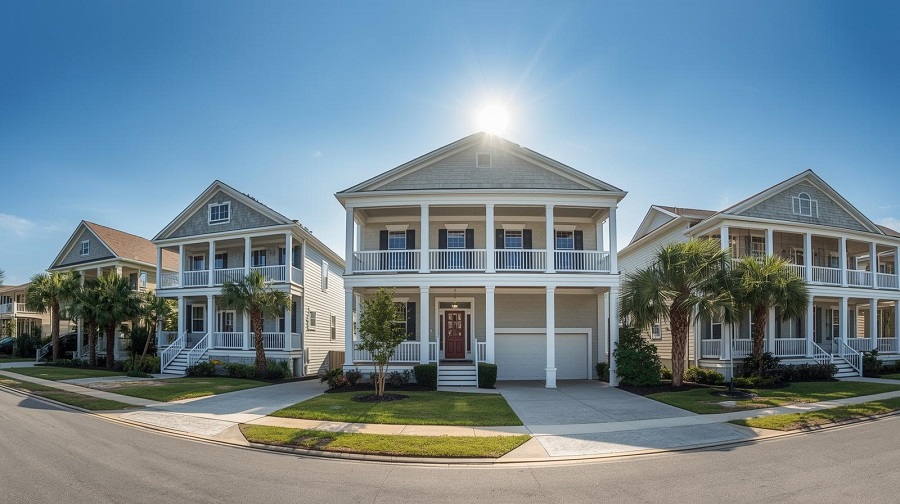
Homeowners in Southwest Florida already shell out more for insurance than anyone else in the country, and it’s not getting any easier.
Costs keep climbing, and the latest data shows we can expect another hike by 2026. Insurers are still adjusting for hurricane risk and rebuilding costs. If you live inland, you’re probably breathing easier. People are moving away from the coast, especially after Hurricane Ian in 2022, and both realtors and recent sales numbers back that up.
Let’s put things in perspective. Floridians pay, on average, $8,292 a year for home insurance, more than double the national average. That’s 181% above what most Americans pay, and it’s worse in the southern part of the state, where hurricanes target expensive, densely packed homes.
After hurricanes Helene and Milton slammed into Southwest Florida in 2024, the insurance industry fielded about 300,000 claims. That alone drove rates up 18% for 2025. Experts explain hurricanes are why Florida tops the charts. The nine most expensive natural disasters in U.S. history? Every single one was a hurricane.
Other states are seeing sharp increases too, but Florida started so high, so the percentage jumps aren’t as dramatic. In Oklahoma, the next most expensive state, people still pay $3,000 less than Floridians.
And the forecast isn’t pretty. Insurance experts project Florida’s average premium will rise to $8,458 by the end of 2026. If hurricanes lie low for a year, like they did in 2025, that’s cause for a tiny sigh of relief. But if 2026 is busy? Brace for steeper hikes in 2027.
There’s another issue. While insurance bills have shot up 46% since 2021, median household income cannot keep up. Inflation rose 16% in that span, so homeowners fork over a bigger chunk of their paycheck just to hang onto their houses.
Compare that to Utah and Vermont, where people pay closer to $1,100 a year. Even with increases, both states are still thousands below Florida, Utah’s looking at a $1,370 average after a 4% jump. Vermont’s at $1,094, barely ticking up $7 a year.
These climbing insurance costs leave families with less cash for groceries, utilities, and everything else. A LendingTree study found up to 49.5% jumps in Florida’s home insurance during 2020–2025, outpacing a 29.2% growth in income.
Construction Costs are Problematic
Tariffs and trade policy have battered supply chains, while material and labor costs keep climbing. Insurance companies pay more to rebuild homes, and they pass those costs right on to homeowners.
Last year alone, building materials surged 15% in price, more than the previous two years combined. Turmoil abroad, like shipping disruptions around the Strait of Hormuz during the conflict with Iran, has pushed gas prices up almost 50% and rattled global supply lines. Those shocks mean higher costs across the economy, especially for building materials.
For Southwest Florida residents, the insurance squeeze isn’t just headlines. It’s eating into paychecks, rearranging housing markets, and affecting daily life. And with climate and supply chain chaos, there’s no sign the pressure is easing.