
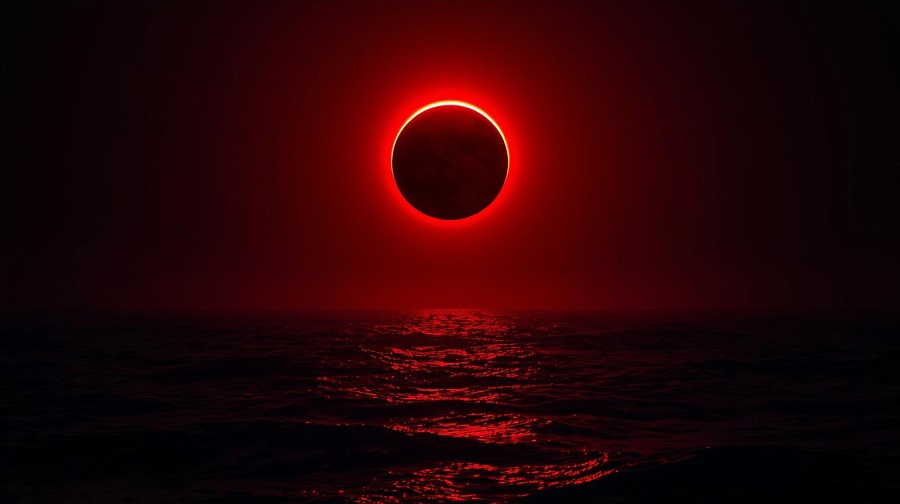
Set your alarm early on March 3, 2026. If you’re in Southwest Florida, you’ll have a front-row seat to a total lunar eclipse, a real “Blood Moon.”
During this event, Earth moves right between the sun and the moon, painting the moon’s surface with a deep, coppery red.
This eclipse is visible all over Florida, but timing matters. It starts off subtle, a gentle shadow, around 3:44 a.m. EST for places like Naples, Fort Myers, and Cape Coral. The actual show begins at 6:04 a.m., when the moon glows that unmistakable red. The peak, maximum eclipse, hits at 6:33 a.m. By that time, the moon will hang low in the west, looking huge and dramatic. It sets soon after, between 6:50 and 6:55 a.m.
You’ll need an open view to the west, no trees, dunes, or buildings in your way, since that’s where the moon will be sinking. Beaches along the Gulf Coast are perfect: Naples Beach & Pier gives you a clear shot over the water, while Sanibel and Captiva (try Bowman’s Beach or Blind Pass) offer wide, dark skies. Lovers Key State Park is another solid pick, thanks to minimal light pollution and open views over the estuary and the Gulf of Mexico. Marco Island’s southern beaches work too, with impressive lines of sight as the moon dips toward the horizon.
Prefer to avoid the crowds or want even darker skies? Head inland: Dinner Island Ranch Wildlife Management Area, for example, where you’ll get away from city lights and see the red colors pop even more. If you’re not near the water, find an open field or even a tall building with a clear view to the west.
Fancy equipment is unnecessary; but if you’ve got binoculars (7×50 or 10×50), or a small telescope, you’ll catch even more detail: craters, shadow lines, and all the subtle shifts in color. Don’t forget a lawn chair and a light blanket; early March mornings can surprise you with a chill, even in Florida.
Check the weather before you head out. Most forecasts look good for March 3, but clouds can always roll in. Double-check local conditions that morning.
Mark your calendars and don’t miss this one. It’s the only total lunar eclipse of 2026, and after this, you’ll have to wait almost three years for the next.