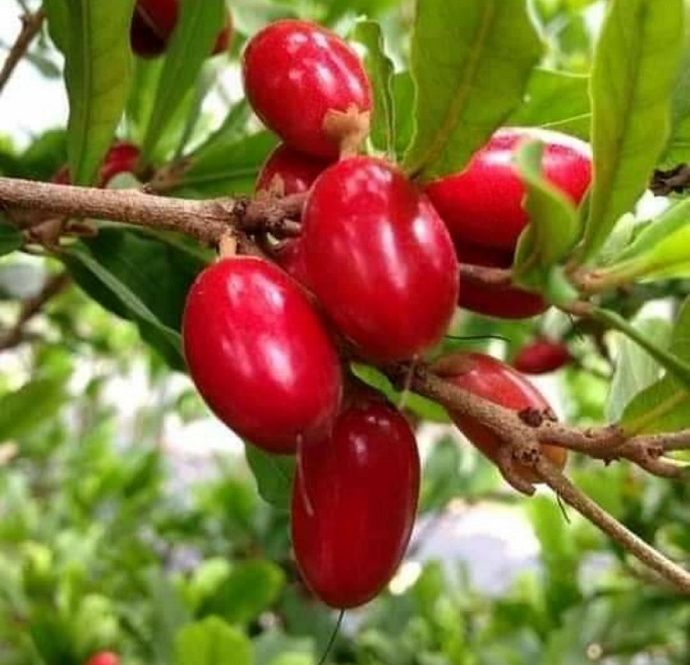
There is a “miracle fruit” that is turning heads all over the news. This small red berry, Synsepalum dulcificum, is changing the game for cancer patients struggling with taste changes from chemotherapy. Primarily grown in South Florida, it gives people back something they often lose during treatment: the simple pleasure of enjoying food.
Nicknamed the “miracle fruit” for good reason, it has an incredible effect on taste buds, especially for those going through chemo. Pop one of these berries, and suddenly, for about 30 to 40 minutes, sour or bitter foods taste sweet. That means food that once seemed impossible to eat because of that awful metallic or rotten taste becomes appealing again. For patients, that’s not just a pleasant bonus. It helps them eat, regain strength, and keep up with their treatment.
If you’re thinking of growing miracle fruit in Southwest Florida, here’s what you need to know. The plant loves warmth and humidity (USDA Zones 10-11), but it’s picky about soil. You’ll need very acidic soil, with a pH between 4.5 and 5.8, so peat moss and perlite or acid-loving fertilizers are your friends. Full sun or partial shade works, but protect it from cold, because anything below 35 degrees Fahrenheit causes trouble. Because Florida’s native soil is usually too alkaline, most people find these plants do best in containers, where you can control the soil and move them in if there’s a cold snap. Miracle fruit plants will produce berries all year round here if you keep the soil moist and the air humid.
Dr. Mike Cusnir, an oncologist at Mount Sinai Medical Center, has seen firsthand how much this berry helps. He’s led some of the first studies on miracle fruit and cancer patients. According to Dr. Cusnir, chemo patients often describe their sense of taste as metallic or even like rotten food. The miracle fruit isn’t a cure, he’s quick to point out, but it’s a powerful tool. It helps people get the nutrition they need and makes meals enjoyable again, which is no small thing.
Farming miracle fruit is picking up speed in Miami, but this plant thrives anywhere in South Florida, as long as you give it the right conditions. The berries themselves are pretty delicate, as they lose their punch within 48 hours if they’re not frozen. That’s why you’ll usually find them sold as frozen cubes, packed about 15 to a package, to keep their effect strong.
Researchers at the National Institutes of Health and Memorial Sloan Kettering Cancer Center have studied miracle fruit, and both Mount Sinai Medical Center and Miami Cancer Institute offer it to patients when needed.
Chemotherapy and radiation fight cancer, but the side effects can be brutal. Miracle fruit gives patients something back: a bit of control, a chance to look forward to eating again, and a path to better health. All from a tiny berry grown right here in South Florida, making a real difference, one meal at a time.