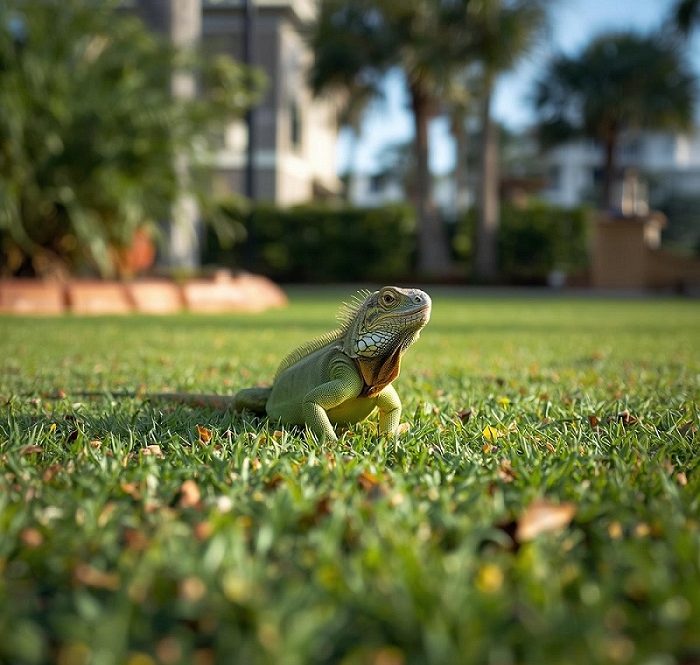
Captiva Island sits off the coast of Lee County. Like a lot of Southwest Florida, it’s fighting to keep its reputation as paradise.
Every year, the list of threats grows longer: too many rental homes, more and more commercial buildings, and two invaders making life harder for native plants and animals: Australian pine trees and green iguanas.
Australian pines offer some perks: they throw a lot of shade and act as windbreaks. But they do more harm than good. Green iguanas just create problems. They dig, devour plants, and push out native species. That’s why the Captiva Erosion Control District is on a mission to clear out as many Australian pines and green iguanas as possible. The best part? The service is free for anyone living on the island, thanks to a grant from the Florida Fish and Wildlife Conservation Commission.
Here’s what the District says about the pines: These trees are invasive. They weaken the dunes, overcrowd native plants, and make the shoreline less resilient. Their shallow roots make them prone to toppling during storms, often wrecking anything nearby, including houses, roads, you name it.
Florida has more non-native species than any other state in the country, and most of them cause trouble, hurting wildlife, damaging infrastructure, or disrupting the landscape that makes Florida what it is.
In Southwest Florida, you see invaders everywhere: Muscovy ducks waddling through parking lots, Cuban tree frogs stuck to porch lights, Brazilian pepper trees thick along canals. Most people barely notice them anymore. They’ve blended in so well, it’s easy to believe they belong here. But they don’t.
Those ducks crossbreed with native waterfowl, making a mess of waterways. Cuban tree frogs eat Florida’s native frogs. Brazilian pepper takes over vast areas, choking out everything in its path. Invasive species hide in plain sight.
The Australian Pine
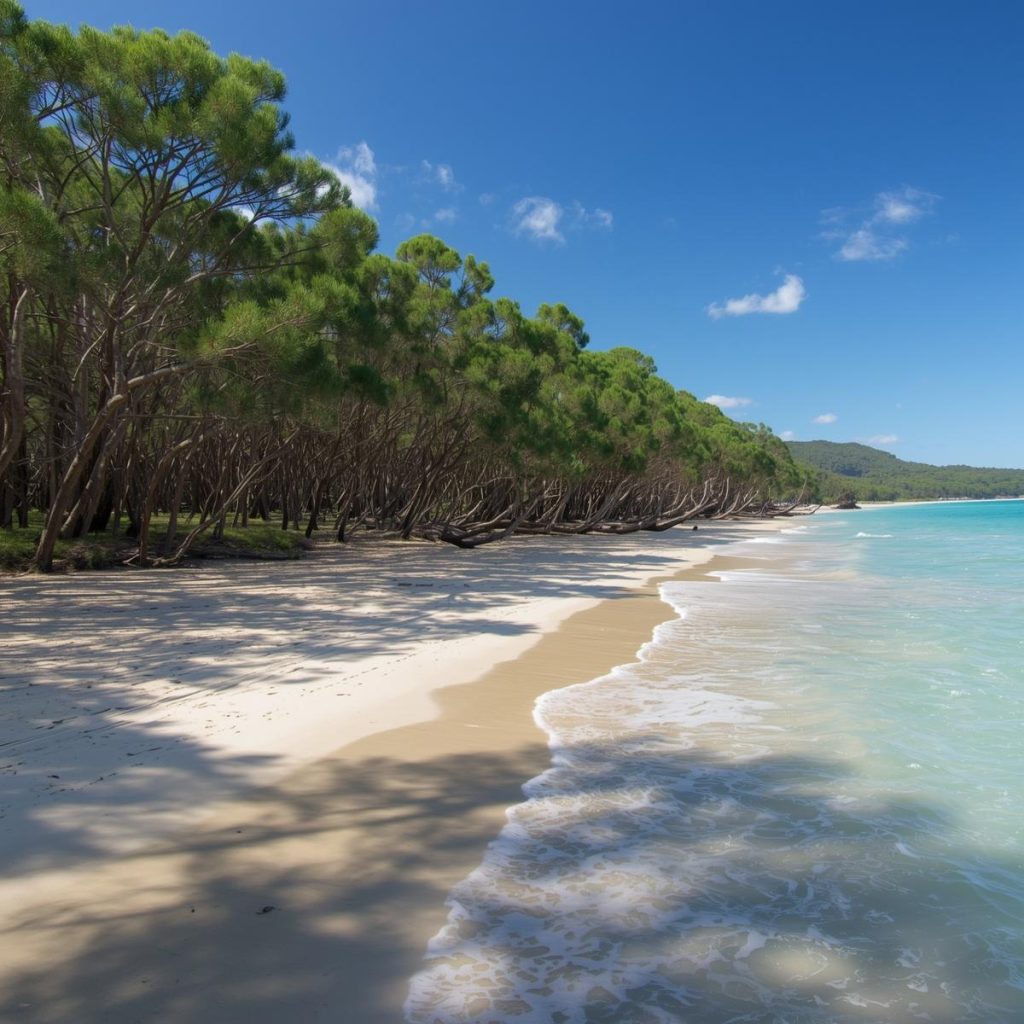
Australian pines, in particular, crowd together along the coastline, pushing out the native plants that local wildlife needs to survive. Back home in Australia or New Guinea, their roots grow deep, anchoring them solidly. Here in Florida’s sand, the roots stay shallow and spread wide. Instead of holding dunes together, their roots let sand wash away, making it easier for hurricanes to knock them over. Worst of all, these roots destroy sea turtle nesting areas.
If something big shakes an Australian pine, maybe a storm, maybe a chainsaw, the cones burst and throw papery seeds into the wind. A few seeds take root, and before long, the next batch is ready to choke out the landscape again.
Getting rid of these trees and bringing native plants back does more than just tidy up the island; it strengthens the dunes, offers better storm protection, and makes things easier for wildlife, like shorebirds and sea turtles.
Thanks to a sizable grant, the erosion district can cover all costs: branches, trunks, stumps, everything. The only catch is that homeowners have to say yes. Not everyone is on board. More than a few residents want to keep the pines for their shade and resist giving permission. And because the Australian pine has been around for so many years, native Floridians have grown fond of them, despite their prickly pods that lacerate the feet. Still, the district says most people support the project.
If you’ve got Australian pines on your land, especially near or on the dunes, the district urges you to take advantage of this while funds last.
The Green Iguana
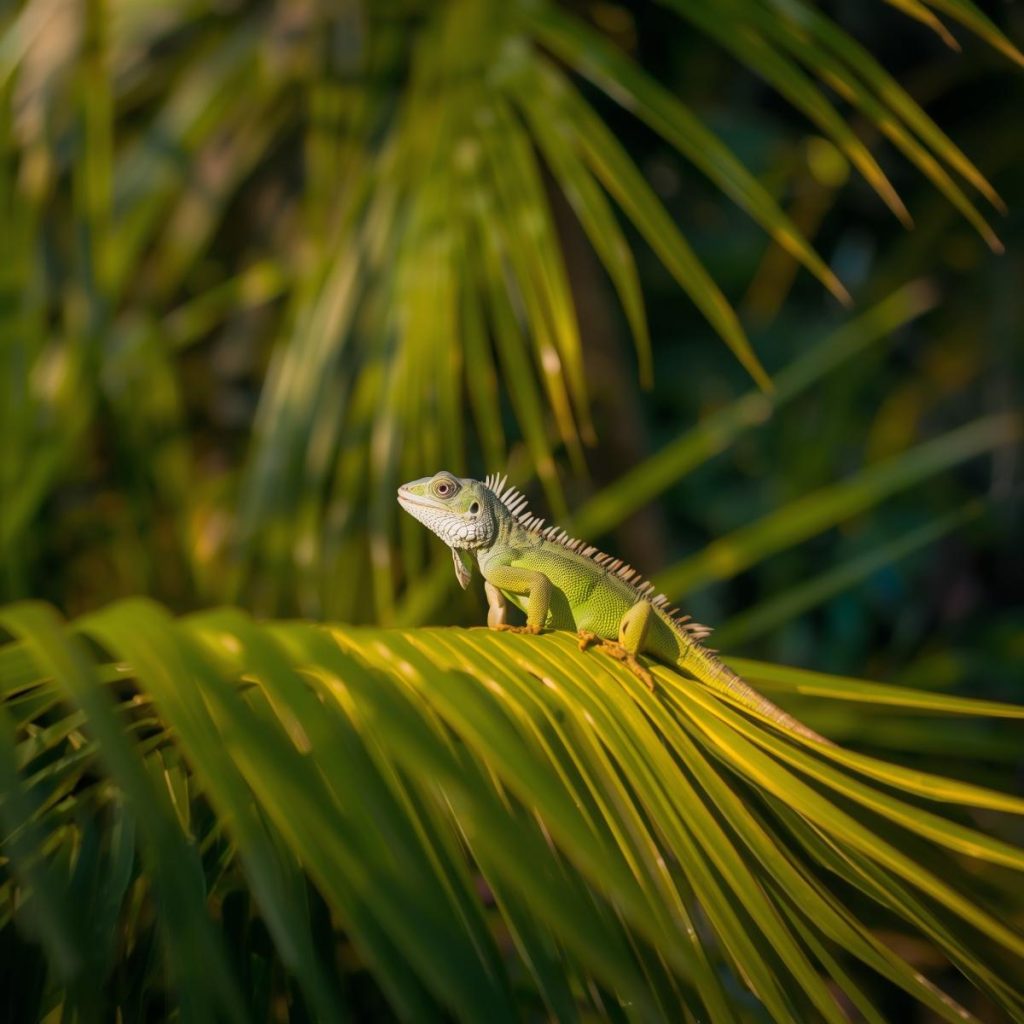
They originally come from Central and South America, but over the past ten years, their numbers exploded along Florida’s coast, including Captiva. Don’t be fooled by these big lizards, even though they might look harmless sunning themselves by the water. They dig burrows under seawalls, sidewalks, and building foundations. They munch through native plants, landscaped yards, even mangroves. Green iguanas out-compete native species like the gopher tortoise, which hurts island biodiversity and changes the very feel of the place.
Both programs will keep running until June 30 or until the grant runs out. To sign up, email the Captiva Erosion Control District or call (239) 472-2472.
Of course, there are always exceptions. In Southwest Florida, there’s one invader that gets a pass: the monk parakeet. These bright green, noisy birds fill a space left behind when the native Carolina parakeet disappeared in 1918. Monk parakeets flock together, argue loudly, and build huge stick nests on power poles and cell towers. Sometimes they cause blackouts, but most people don’t make the connection.
Why does the monk parakeet get away with it? Scientists call them “charismatic” because they’re fun to watch and people want to protect them, not get rid of them.
The parakeets have that charm. Occasionally, the Australian pines win sympathy. As for green iguanas? Not so much.