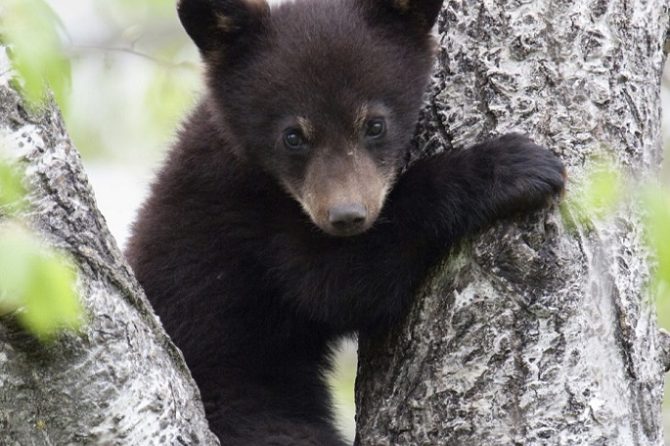
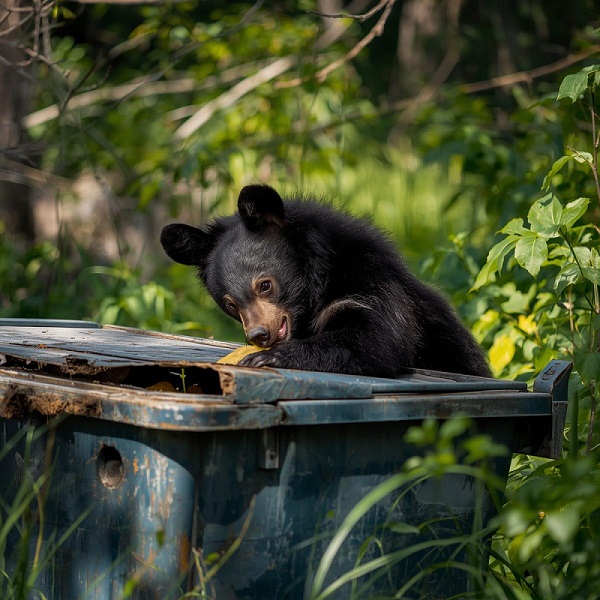
Honey buns proved irresistible to one young black bear on the Florida Gulf Coast University (FGCU) campus. The yearling, a male weighing about 200 pounds, kept rummaging through campus garbage, and Thursday morning it walked into a Florida Fish & Wildlife Commission (FWC) trap. The bait? A tempting pile of 7-Eleven Honey Buns and some dog food.
Bradley Johnson, the FWC’s Southwest Region spokesperson, explained that the bear had been accessing an unsecured dumpster. The Bear Management Program team stepped in, safely caught the animal, and is now moving it to a forested area in rural Collier County. Johnson mentioned ongoing work with FGCU to better secure dumpsters and remove other attractants, noting that human-bear conflicts usually start with easy access to garbage, pet food, or birdseed.
FWC handles these situations on a case-by-case basis. Sometimes, when a bear sticks around looking for food, relocation gives residents time to lock things down. This spring, FWC had previously tried but failed to catch what’s believed to be the same bear.
Black bears in Florida are especially active right now as they search for food, and mothers are often teaching their cubs where to find it. If you see one, just give it plenty of space, don’t approach it, and never feed it.
Statewide, FWC estimates there are about 4,050 black bears. They roam woods and swamps as far apart as Eglin Air Force Base, Ocala National Forest, and Big Cypress National Preserve. While some bear subpopulations are thriving, others are still recovering and occupy about half their historic range.
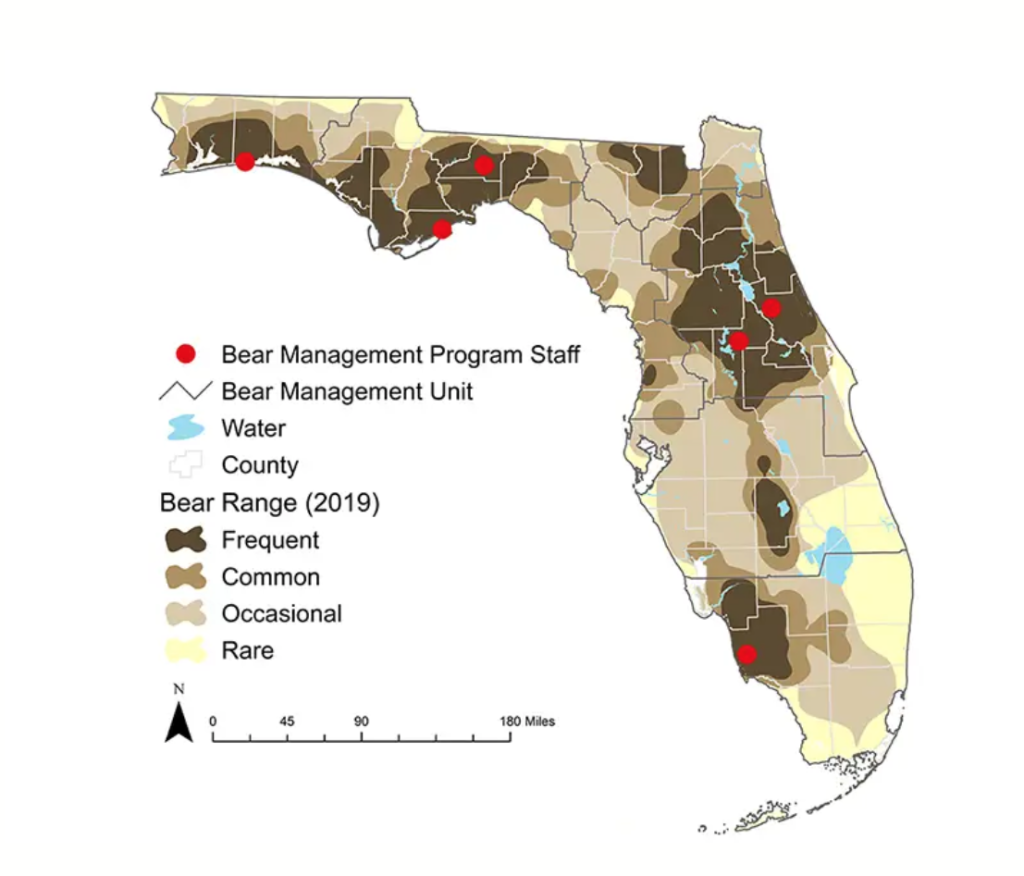
For those who live where bears roam, a few basic precautions help avoid unwelcome close encounters:
– If you run into a bear up close, stay calm, stand your ground, and speak in a steady, assertive voice. Don’t feed bears, ever, or leave attractants lying around. Wait until the bear leaves, then secure your garbage or pet food.
– Never try to approach or surprise a bear. If you spot one from afar, enjoy the sight, but give it space. If you’re closer, back away slowly and make sure the bear has a clear escape route. Don’t make sudden moves and avoid direct eye contact, which can seem threatening to wildlife.
– If a bear wanders into your yard, make sure you’re in a safe spot and the bear can escape easily. Then, make noise, bang some pots and pans to encourage it to leave. Don’t run, climb a tree, or play dead. Ease yourself back into the house or another safe area.
– Report any bear that threatens people, pets, livestock, or causes property damage to FWC instantly.
If you feel threatened by a bear, see a sick or injured animal, or catch someone harming or feeding bears, call the FWC’s Wildlife Alert Hotline at 888-404-FWCC (3922). Regional offices can also help with bear conflicts.
The FWC has tips for being BearWise®, especially as bears become more active in the spring. Staying alert, securing food sources, and giving wildlife a wide berth all help. When food like Honey Buns is off the menu, bears might just stick to the woods where they belong.