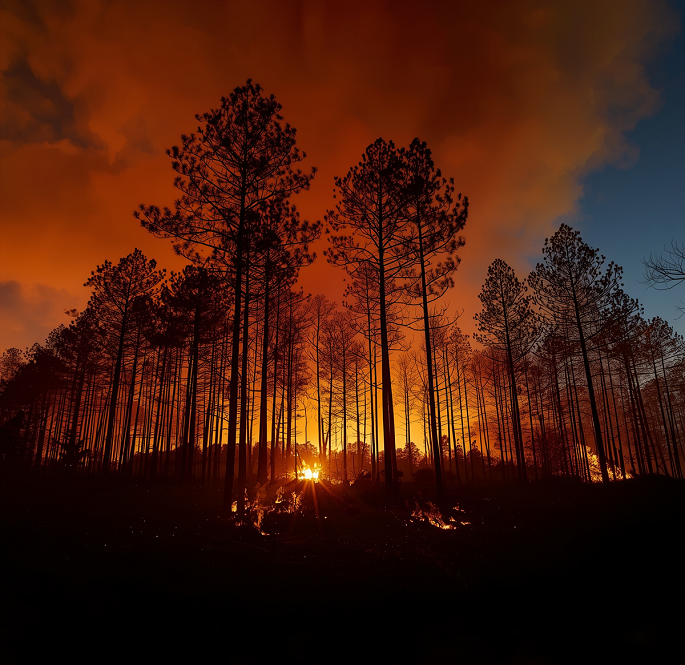
As of May 28, 2026, Lee and Manatee counties have lifted their burn bans, while Sarasota and Charlotte counties still restrict open burning.
Sarasota County still enforces a countywide burn ban, in effect since April 19 because of high drought conditions. The county prohibits bonfires, campfires, and outdoor burning of yard debris. Cooking on a barbecue grill is the only activity permitted. Check the Sarasota County Fire Department portal for more details.
In Lee County, the ban expired on May 27. Thanks to seasonal rains, fire risk dropped, so burning restrictions are no longer in place. See the Lee County Government website for updates and tips on safe burning. Manatee County has also lifted its burn ban.
Charlotte County’s case is a bit more complicated. Back in March, commissioners pulled back their ban, but by April 28, they reinstated it countywide. Severe drought and increased fire danger forced the move, and the ban remains active for now. For more information, go to the Charlotte County website.
The City of Cape Coral no longer enforces its temporary burn ban. The Keetch-Byram Drought Index dropped below 600, improving conditions enough for the Cape Coral Fire Department to rescind the ban on Tuesday, May 26, 2026. Residents can use recreational and cooking fires but should remain cautious. City codes require these fires to stay 25 feet away from any structure and always have a way to extinguish a fire nearby. Keep recreational fires under 3 feet in diameter and 2 feet in height. These are for enjoyment, not for burning trash or yard waste.
Burn bans are a direct response to the historic drought gripping Florida. According to the NOAA Climate Prediction Center, this severe drought should ease by late August. Florida’s summer rains can dump a lot of water in a short time, but quick bursts aren’t enough. Steady rain is what it takes to really soak the deeper soil and rebuild regional water tables.