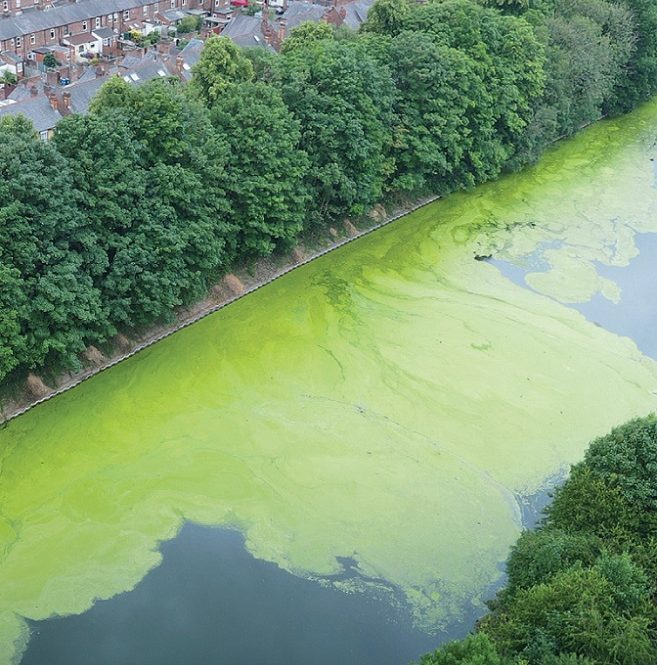
Experts, researchers, and environmental advocates packed into Florida SouthWestern State College to dig into the real health and environmental dangers of harmful algal blooms. These blooms aren’t just local annoyances, airborne toxins, neurological effects, environmental fallout; they all came up during the discussion, hosted by Calusa Waterkeeper.
Dr. David A. Davis from the University of Miami Brain Endowment Bank stood out as the keynote speaker. His research into dolphins shows some worrying changes, including neurological damage that looks a lot like what you see in Alzheimer’s patients. “We found that they can exhibit changes in their brain that are kind of similar to what we see in patients with Alzheimer’s disease,” Davis explained.

So far, there’s not much research proving that airborne toxins from these blooms cause illness, but groups like Calusa Waterkeeper are determined to close that gap. They’ve built a new device known as the ADAM, or Aerosol Detector for Harmful Algae Monitoring, to track what happens where water meets air.
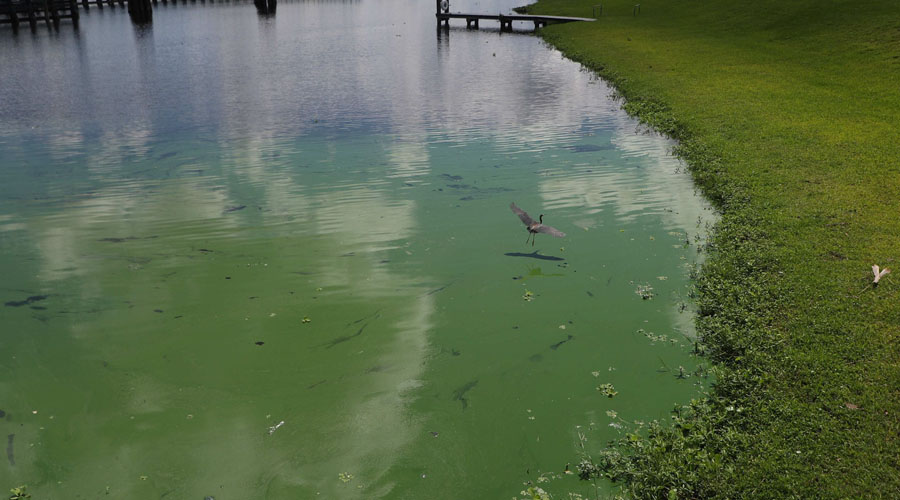
Joe Cavanaugh, representing Calusa Waterkeeper, broke it down: “Where the water meets the air, that’s where these toxins can become airborne. They can travel several miles from the shore, swirling through the environment. People breathe them in without realizing it.” He pointed out that while most folks know not to eat shellfish from waters hit by blooms, far fewer understand that even inhaling the bloom’s odor could bring long-term health risks.
Cavanaugh stressed that limiting these blooms starts with tackling nutrient overload, especially from agricultural runoff feeding into Lake Okeechobee, as well as septic leakage and fecal bacteria clogging up the river. “All that stuff is creating a saturation of nutrients in the river,” he said.
Both Cavanaugh and others at the event called for deeper research and better tracking tools to really understand how these hazardous blooms ripple through ecosystems and how they affect our health.