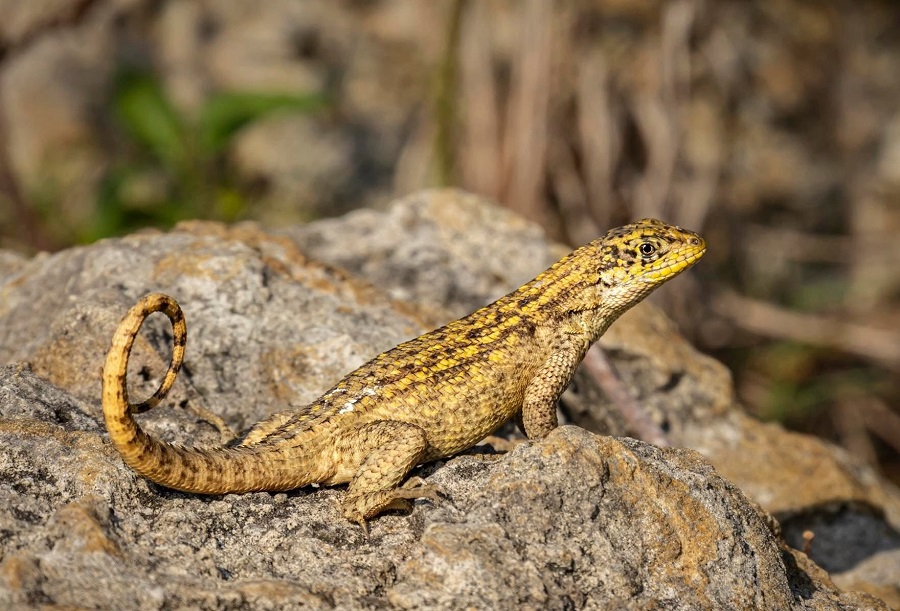
The northern curly-tailed lizard, a native of the Bahamas, is making its way through Florida, showing up in places you wouldn’t expect: suburban neighborhoods, shopping centers, anywhere with a slab of concrete or a pile of rocks. These reptiles started off mostly in South Florida, probably after being released from zoos or pet collections years ago, but now, researchers say they’re almost common in parts of central Florida and working their way north.
Dr. Matthew Atkinson, a herpetologist at UCF, says spotting these lizards isn’t rare anymore. “They’re becoming fairly common throughout most of central Florida now as they are starting to move up the peninsula,” he told reporters.
Why is this important news? Even when an invasive animal doesn’t seem dangerous, it can still shake things up. Wildlife officials have to watch how the species spreads, what it eats, and whether it’s pushing native animals, already trying to hold their own, out of their regular spots. Sometimes, an invader quietly rearranges the local ecosystem, and by the time anyone catches on, it’s nearly impossible to set things right.
The curly-tailed lizard adds an odd twist: it actually preys on another invasive reptile, the brown anole, which has already colonized much of Florida. Atkinson called it “a little bit of invasive-on-invasive violence.” This new predator might have consequences for birds, insects, or anything else caught in the middle. Because the lizard isn’t native, it’s hard to predict how things will turn out.
Residents seem to notice these lizards before anyone else. Researchers are curious whether a recent stretch of freezing weather might slow the lizard’s march north, or if it has actually settled in for good.
Either way, Dr. Atkinson thinks the lizard is probably here to stay. Wildlife officials are asking people who spot curly-tailed lizards to report them to the Florida Fish and Wildlife Conservation Commission, so they can keep tabs on what’s happening, and maybe get ahead of the next invasive surprise.
Click here for a link to the FWC.