
Florida is having a tough time right now. The state’s Cyclospora cases just hit 264, with most of those, 210, showing up in July, according to the Florida Department of Health. This infection, which comes from contaminated produce, isn’t something you want to mess with. Recalled iceberg lettuce even made its way to some Walmart and Taco Bell locations across Florida.
And if food-borne illness wasn’t enough, now we’re hearing about leprosy making a comeback.
Leprosy. It sounds biblical, and for good reason, but it’s not gone. In fact, experts say it’s returning to Florida, and they’re pointing the finger squarely at one unexpected culprit: the nine-banded armadillo.
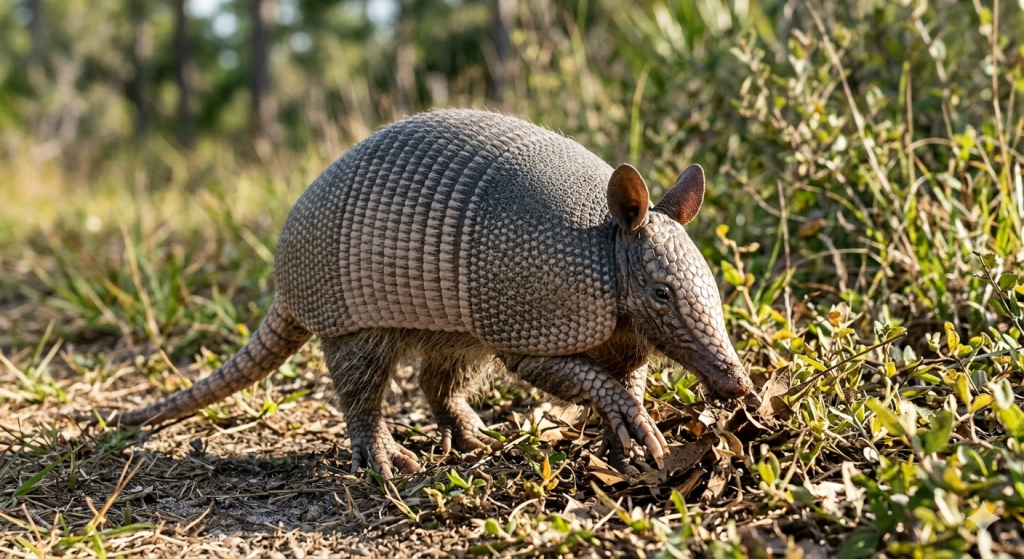
Anyone living in the southern US has probably spotted these strange little animals. They dig around gardens, burrow under porches, and often end up as unfortunate roadkill. Usually, they’re harmless. But now, researchers believe armadillos are behind a rising number of leprosy cases.
Their numbers are growing, and their range is slowly creeping north, but the real story is in Florida. While leprosy, also called Hansen’s Disease, has been around for at least 4,000 years, it still infects about 200,000 people worldwide every year. In the US, cases are relatively rare. Still, the numbers are edging up, and Florida boasts some of the highest rates in the country with 17 cases reported so far this year.
That’s not an isolated jump, either. In 2022, Florida had eight cases. Then 23 in 2023, 20 in 2024, and 26 last year. Central Florida seems to be the hub; 40 of the 74 cases from 2019 to 2022, so more than half, were in Brevard County.
What is Leprosy?
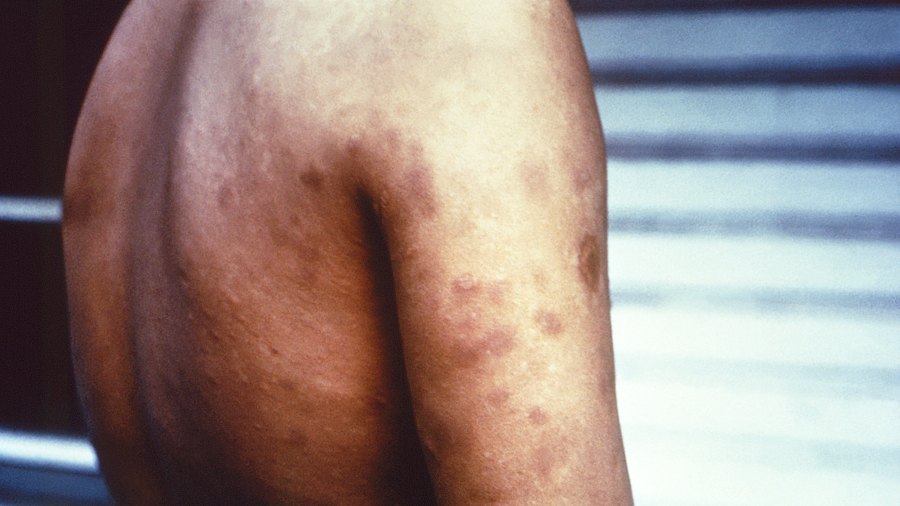
The disease is caused by slow-growing bacteria, Mycobacterium leprae. This bug can take years, sometimes up to two decades, before symptoms even turn up. When they do, they’re not pretty: thick skin patches, ulcers, patchy hair loss on the face, numbness, paralysis in hands and feet, and sometimes blindness.
For centuries, leprosy came with a nasty social stigma. For centuries, leprosy carried a nasty social stigma. People shunned those with the disease, as any reading of the Bible (where it gets mentioned roughly 68 times) will show. That stigma lingers, but it’s off the mark. Most people, about 95%, are naturally immune. The disease doesn’t spread easily between humans. It requires long, close exposure. Plus, it’s curable: Treatment with antibiotics means patients aren’t contagious after the first dose, though the disease can still leave nerve damage.
So, why is Florida seeing so much leprosy, and what do armadillos have to do with it? These animals are natural carriers of the bacteria. They thrive in warm, wet southern states, Texas, Louisiana, Florida, and burrow into the dirt looking for insects and snails. Sometimes, it seems, the bacteria lingers in the soil. People get exposed when they garden or dig in the yard.
Juan Manuel Campos Krauer, from the University of Florida College of Veterinary Medicine, explains it simply: “Where armadillos eat, live, and have their young, that all increases the chances someone could get exposed to leprosy. The bacteria can stick around in the soil.” That’s why Florida, with its mix of climate and armadillo density, winds up as a persistent hotspot.
Symptoms can take up to 20 years to appear, which makes tracking the source tricky. In the US, most people who get Hansen’s Disease picked it up abroad, often in countries like Brazil, India, or Indonesia, places reporting over 10,000 new cases a year. But armadillos change the equation.
For prevention, the advice is straightforward: Don’t touch armadillos. If you garden or handle dirt where they burrow, wear gloves. Be mindful not to touch your face or eat with dirty hands.
A stranger concern? Roadkill. Some researchers recommend washing your car if you hit one, just in case.
It’s worth repeating: Leprosy is rare in the US, about 250 cases per year at the most. But with numbers slowly going up and Florida standing at the center, it is little wonder experts are giving armadillos a wary second glance.
Click here for more information on the CDC website.