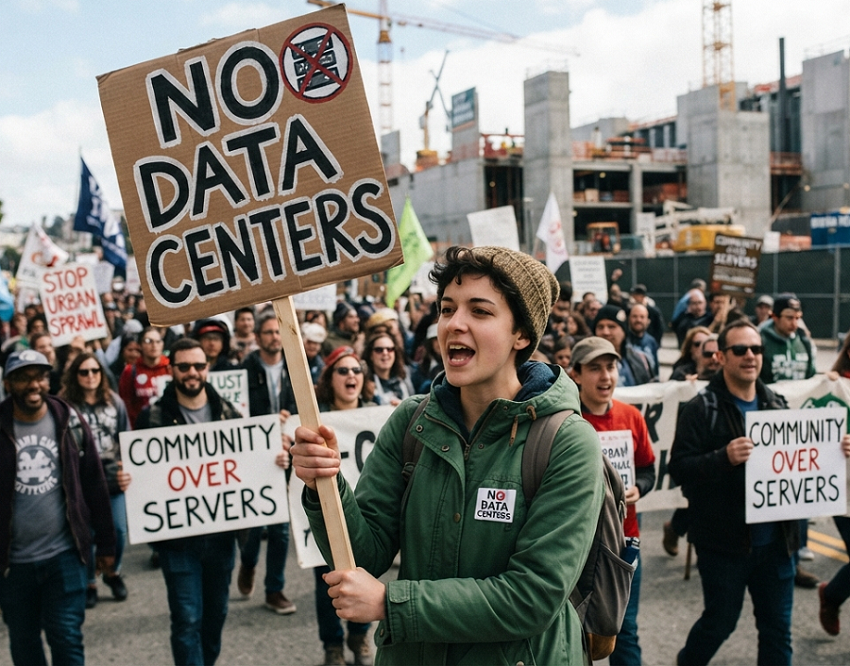
Florida’s race for governor is brewing into a fight over data centers and artificial intelligence.
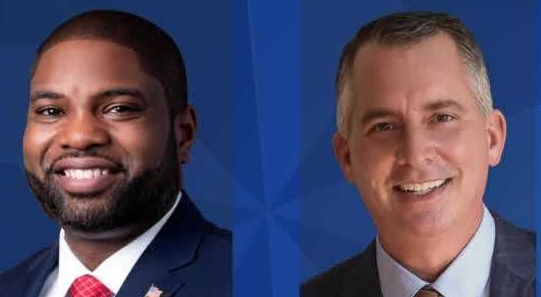
Democrat David Jolly isn’t mincing words; he wants a statewide moratorium on AI data center construction until Florida has an actual plan to safeguard water, the power grid, and local communities. His stance is clear, but the issue’s dividing the field.
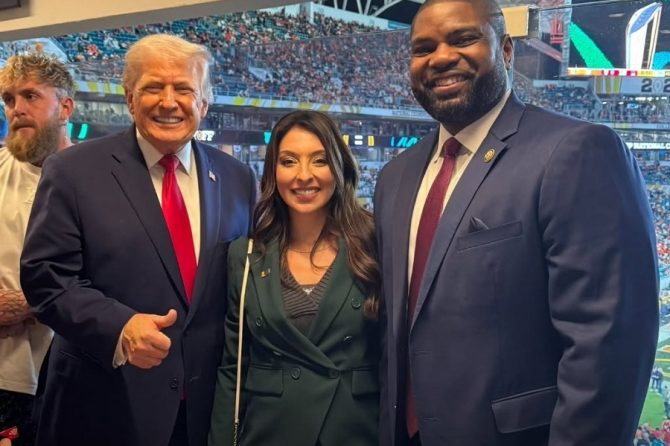
Republican Byron Donalds, who’s leading in the polls, announced new federal legislation this week. He wants data centers to pay for their own power and water, not draw from public utilities. Donalds insists state law already protects water and power, but his bill would tighten the screws even further. He argues, “The number one way to address people’s concerns is to make sure their utility bills don’t rise because of these data centers.” For context, pro-AI groups support Donalds, and he closely aligns with Trump, who advocated for voluntary, industry-led solutions around energy and water use by big tech companies.
Not everyone on the right is on board with Donalds. James Fishback, another Republican hopeful, backs an outright ban. Paul Renner, also running, favors a pause, mirroring Jolly’s position.
Local opposition is erupting across the state. Twenty or more counties and cities have either rejected or halted significant data center projects. Residents and local officials worry about higher utility bills, environmental damage, and disruptions to communities. Increasingly, it’s a rare issue that has both progressive climate activists and conservative populists aligned in their skepticism.
Travis Fisher, a fellow at the Cato Institute, sees the pushback as a signal to tech giants: fail to act responsibly, and they’ll lose their “social license to operate” and get run out of town.
Florida’s legislature is trying to keep up with the controversy. Earlier this year, Gov. Ron DeSantis signed SB 484 into law. It forces large-scale data centers to pay their own utility and infrastructure expenses, encourages the use of reclaimed water for cooling, and requires plans for water use and conservation from big users. But critics think safeguards on privacy, security, and environmental impacts still come up short.
Meanwhile, Jolly’s team highlights Donald’s willingness to use pristine state land for data centers and questions his ties to industry donors. Jolly’s argument: “Byron Donalds will do whatever they want, but I’ll fight for Florida’s voters.”
Donalds isn’t backing down. His spokesperson calls Jolly’s approach “cheap talk” and says Donalds leads on legislation while Jolly just reacts.
Donalds also touts the benefits of keeping data in-state, says Florida facilities are more secure than those in other states or abroad, and touts advanced tech, like modular nuclear reactors and closed-loop cooling systems, to cut down on resource use.
The debate has even stalled other tech policy in the state. DeSantis tried to get an “AI Bill of Rights” passed but couldn’t push it through the House. As data center regulation moves ahead, local governments now have extra power to control where these huge facilities can be built.
Polling from the University of North Florida shows the political danger: over two-thirds of voters don’t want a data center in their area. For now, with the public mood shifting and both left and right lining up against big tech’s footprint, the future of data centers in Florida, and the candidates who support them, looks uncertain.