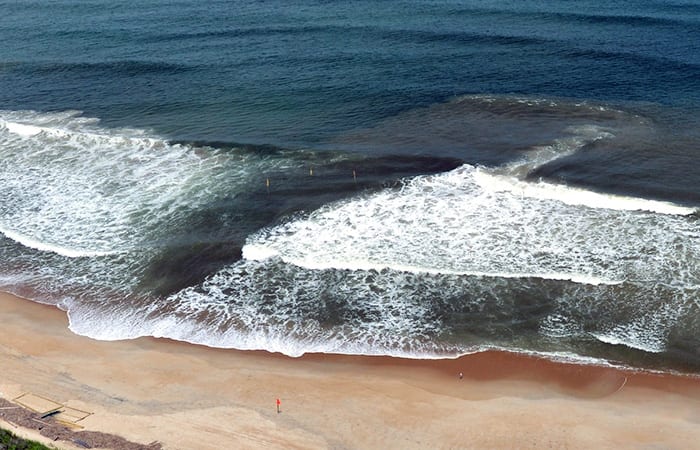
A Lee County deputy rushed into action at Lovers Key State Park, rescuing three girls swept up in a rip current over the May 9–10 weekend. The Sheriff’s Office reported that Deputy Tellez Ferriol, known as CB-15, tore off his shoes and duty belt before diving into the water. He swam hard, reached the girls who were drifting farther from shore, and brought them back safely to dry land.
As the busy summer season approaches, the Lee County Sheriff’s Office plans to increase patrols around beaches and sandbars. They want everyone to pay attention to beach warning flags, learn about water conditions, and respect the power of the ocean. Rip currents aren’t something you can overpower. Deputies say if you get caught, don’t fight your way straight back, as panic only makes things worse. Instead, keep calm, float, and move parallel to the shore until you escape the pull. And remember, the next beach emergency could involve anyone; even confident swimmers need to stay alert.
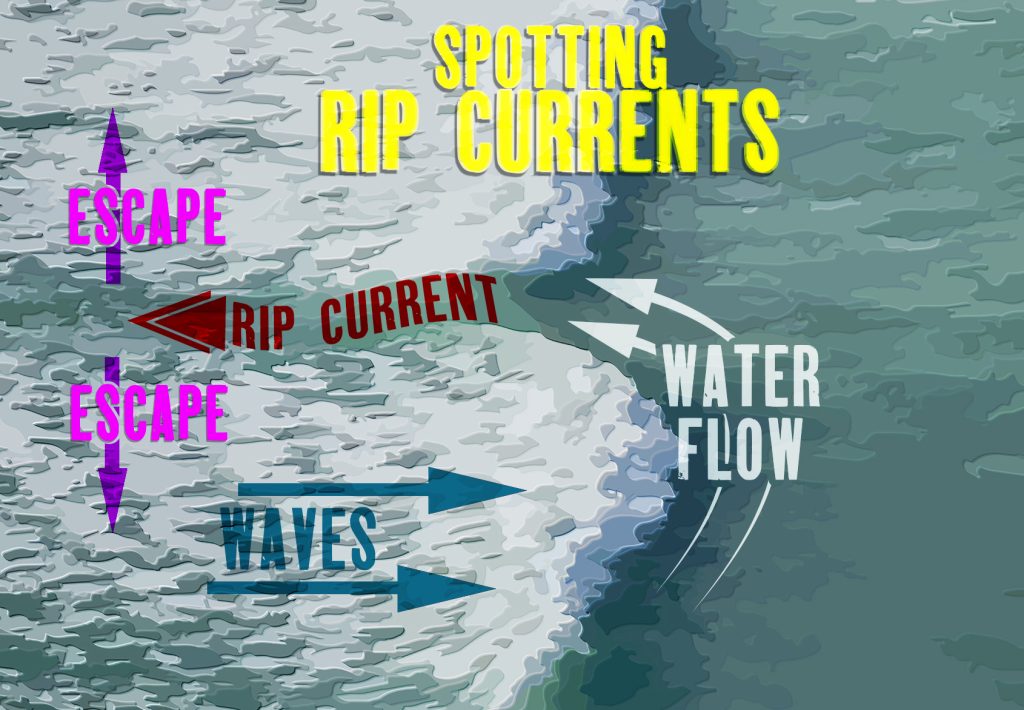
Rip currents in the Gulf of Mexico form narrow, fast-moving channels, sometimes surging at eight feet per second, strong enough to overwhelm even experienced swimmers. They usually develop when water breaks over sandbars or near piers and jetties, creating a hidden but serious danger.
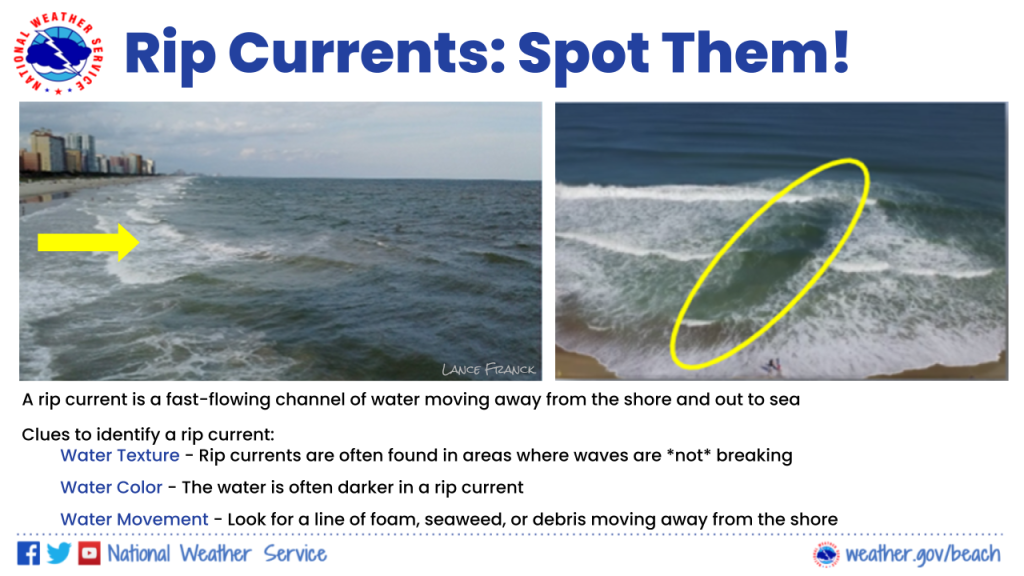
To stay safe, check NOAA’s daily Surf Zone Forecasts for rip current risk before heading out. Always swim near a lifeguard. They handle thousands of rescues every year. Watch for warning signs in the water; areas that look darker, calmer, or full of churning sand between breaking waves often signal a rip current. Stay clear of structures, like piers, where rips commonly form.
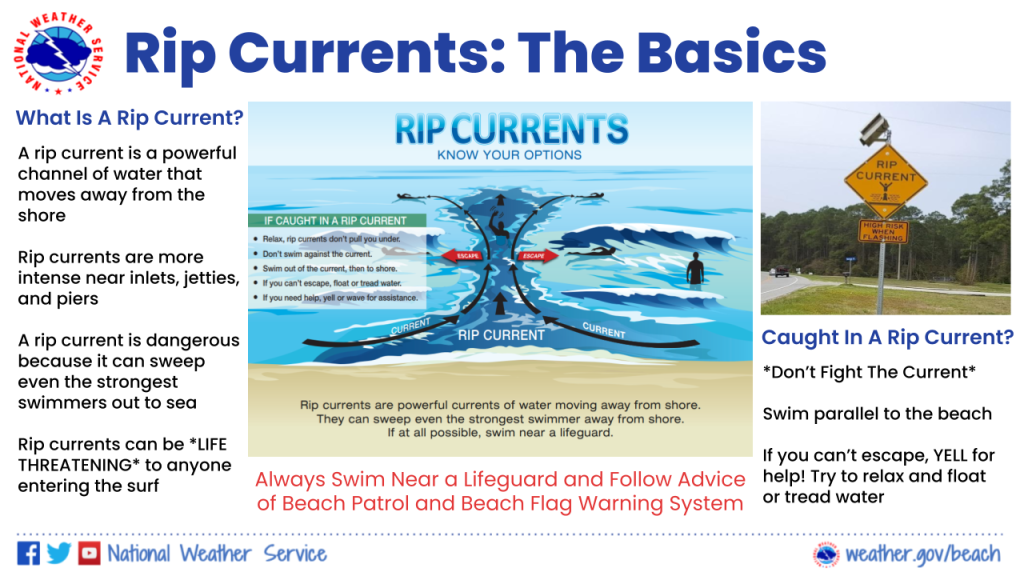
If a rip current catches you, don’t waste energy fighting against it. Swim parallel to the shore to break free from the current. If you can’t escape, just float or tread water until the pull releases you. Attract attention, wave and call out for help. Don’t fall for common myths. Rip currents won’t drag you under; they pull you out. And they can happen anytime, even on calm, sunny days. Stay vigilant so the water doesn’t catch you by surprise.