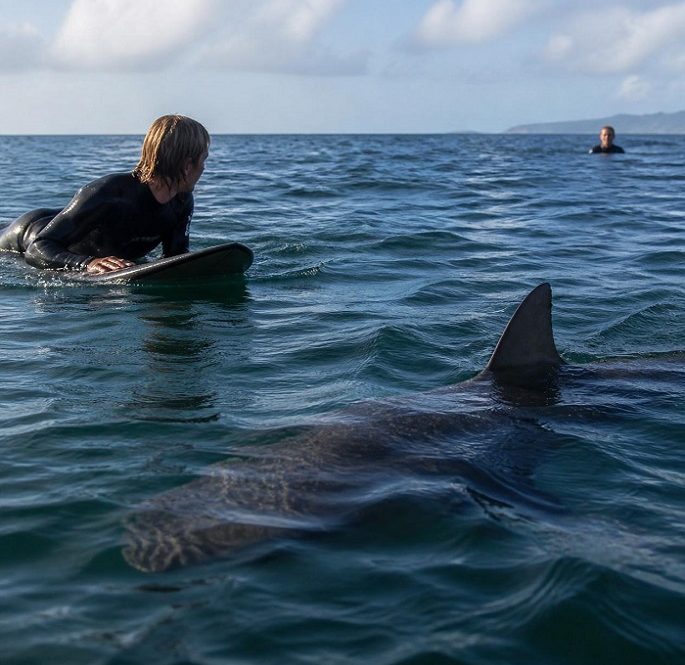
It feels like every summer, the same stories pop up: shark sightings, a bite along the coast, and suddenly, the headlines fill up with that familiar mix of fascination and panic. Florida’s leading the country in attacks again, but if you listen to wildlife biologist and Shark Week host Forrest Galante, there’s a pretty simple explanation: it’s mostly a case of mistaken identity.
Galante has spent years in the water, and he doesn’t mince words about what’s really happening. “Shark populations have bounced back,” he says. Places like California and Florida once saw overfishing drive sharks away, but stronger conservation measures turned things around. So yes, there are more sharks these days, swimming the same beaches where we’re splashing around in the summer heat.
But it’s not just the sharks; there are more people on the beaches, and almost everyone’s carrying a camera. Every encounter gets more attention than ever before . “We have cell phones, so the media around it is happening,” Galante points out. And summer is peak time for sharks to cruise near shore, right where we like to swim. Add it all up: more sharks, more people, and more coverage, so shark stories spike every year.
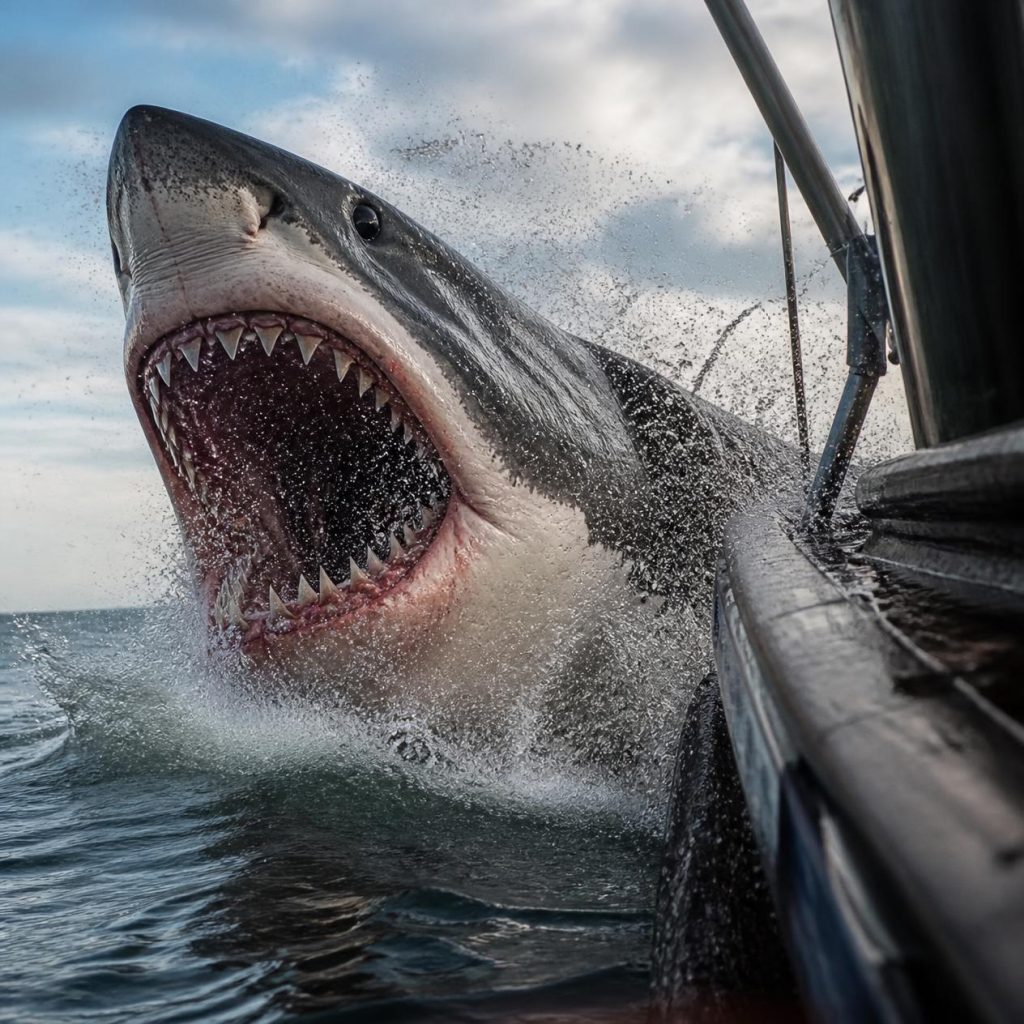
If you look at the data, though, it’s less dramatic than you’d guess. According to the International Shark Attack File, 65 unprovoked shark bites happened globally in 2025. Nine were fatal, a fraction of encounters when you consider the millions who take to the water. In the U.S., there were 25, with Florida leading at 11. That’s not a record-setting surge, especially since overall U.S. shark bite numbers have dipped over the past five years.
But this year’s stories have been hard to miss. A Navy base staffer nearly died after a suspected bull shark attack in Panama City. Just before that, a kid in knee-deep water at WaterColor, Florida, ended up with leg wounds, forcing a five-mile stretch of beach to close. Overseas, there was the tragic death of a man bitten by a great white at Rottnest Island and a school teacher seriously injured in Sydney.
TrackingSharks.com, which keeps tabs on attacks, recorded 30 shark bites as of early July 2026, seven of them fatal. That’s not nothing, but it’s hardly a reason to be scared off your beach towel.
Galante wants to make something clear: “It’s nothing to do with the sharks wanting to eat us.” Sharks aren’t lurking offshore waiting for humans to swim by; most bites happen simply because the shark mistakes us for something else. Sometimes all it takes is a flash of shiny jewelry—a shimmer that looks a bit too much like a fish. Sharks don’t have hands or fingers. They check things out by biting, not by poking or sniffing. That “investigative bite” can do actual damage, but it’s not predatory hunger. Most of the time, we’re not even on the menu.
Galante would know. He’s spent his career diving with them, studying their behavior up close. His upcoming Shark Week special, “Alien Sharks: Untamed America,” digs into the wild diversity of U.S. waters, where you don’t need a passport to see remarkable creatures. From glow-in-the-dark swell sharks to massive basking sharks or sawfish right out of science fiction, America’s “backyard” teems with wildlife that rivals anywhere else in the world.
Loving sharks doesn’t mean throwing caution to the wind, though. Galante’s beach advice is simple and practical. Skip solo swims. Stay out of the water at dawn and dusk; that’s when sharks do their hunting near the shore. Don’t hang out near river mouths or around fishermen tossing bait. And lose the shiny jewelry; anything that sparkles could catch a shark’s eye.
Even simple sounds carry weight: a bottle cracking open, or the crunch of a can, can resemble a fish bone crunch to a shark and draw them in for a closer look. Just a few basic precautions go a long way toward keeping an already rare risk almost nonexistent.
So sure, shark stories pop up everywhere this time of year. There’s no need to panic, though. Beach days are still up for grabs, unless, of course, you hear that unmistakable cello theme from Jaws. Then it’s probably time to call it a day.
Remember, most shark bites are just cases of mistaken identity. But bring your photo ID anyway, just in case the sharks ask.