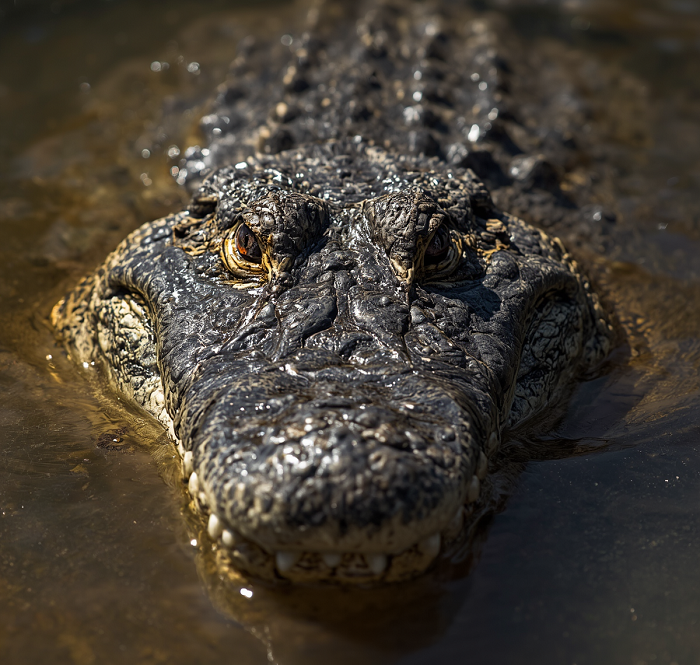
Most people know the old saying in Florida: “If there’s water, there’s probably an alligator nearby.” This past week, that’s felt especially true. Three alligator attacks have hit the state in just a brief span, and experts think overcrowded rivers, nesting season, and drought all play a part.
The first attack was on June 21 at Rainbow River near Dunnellon, when a 19-year-old snorkeler went for a swim around noon. He had barely gotten into the water before an eight-foot alligator bit him around the head and neck. His injuries were serious, with deep cuts, heavy bleeding. Paramedics rushed him to the hospital, and somehow, he got out alive and went home the next day. Wildlife trappers caught the big gator and swimmers returned to the river soon after, probably a little more anxious.
A week later, outside Orlando, things turned tragic. Thirty-one-year-old Brittany Clark from Sacramento was swimming with friends in the Econlockhatchee River during a hiking break. She waded into three feet of water, and a massive alligator slammed into her, biting through both arms. Her group called 911 and tried desperately to save her, but she died on the way to the hospital from massive blood loss. Afterward, state officers found and killed two enormous alligators, one over 12 feet, another over 13, to see if either was responsible for the attack.

Then, the night before July 4, another story out of North Fort Myers: James McMicken, who’s 71, was fishing from the canal behind his house. Suddenly, an alligator lunged and locked onto his right leg, pulling him into the water. He fought desperately, jabbing the alligator’s eyes with his thumb and his fishing pole until, finally, it let go. His dog helped him crawl back home, where his wife patched him up until the paramedics arrived. He passed out from blood loss but is now healing in the hospital.
Alligator attacks might sound like something out of a movie, but they happen every year in the Sunshine State. Florida is crawling with more than a million alligators. They live in every county. Last year, there were 13 attacks, two of them fatal. Since 1948, officials have recorded about 500 incidents.
So, why the uptick right now? Summer brings people out to swim; school’s out, and everyone wants to cool off anywhere there’s water. That’s also when gators are most active. They’re fresh from breeding season, females are protecting their nests, and they get mean.
Florida sprawl doesn’t help, either. As more neighborhoods pop up near canals and lakes, people bump into alligators more often, especially at night or when pets are around the water. It’s the price of building everywhere, right up against the wild.
After McMicken’s attack, trappers and wildlife officers swept the canals, but as of Thursday, the gator was still out there.
So, if you’re heading for a swim in Florida, keep your eyes open. And remember the saying, “If there’s water, there’s probably an alligator nearby.”