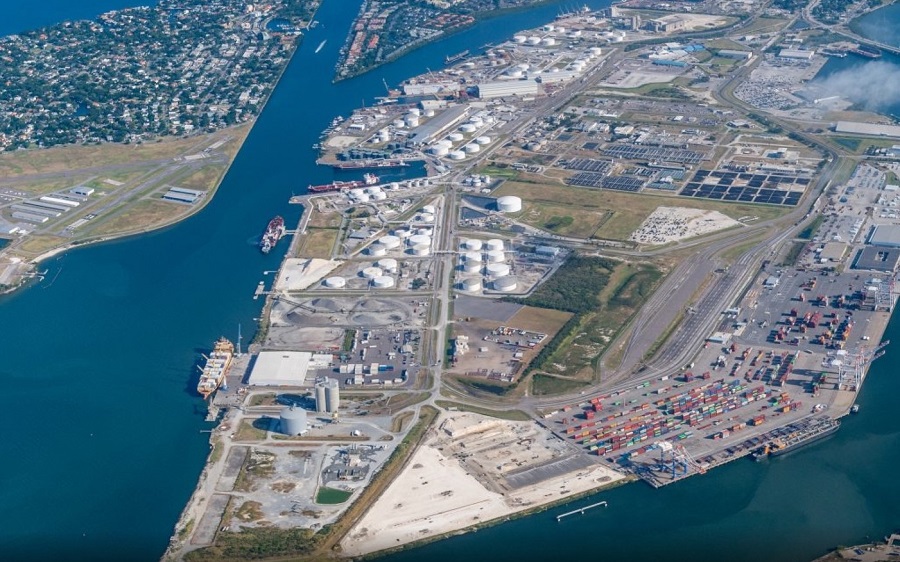
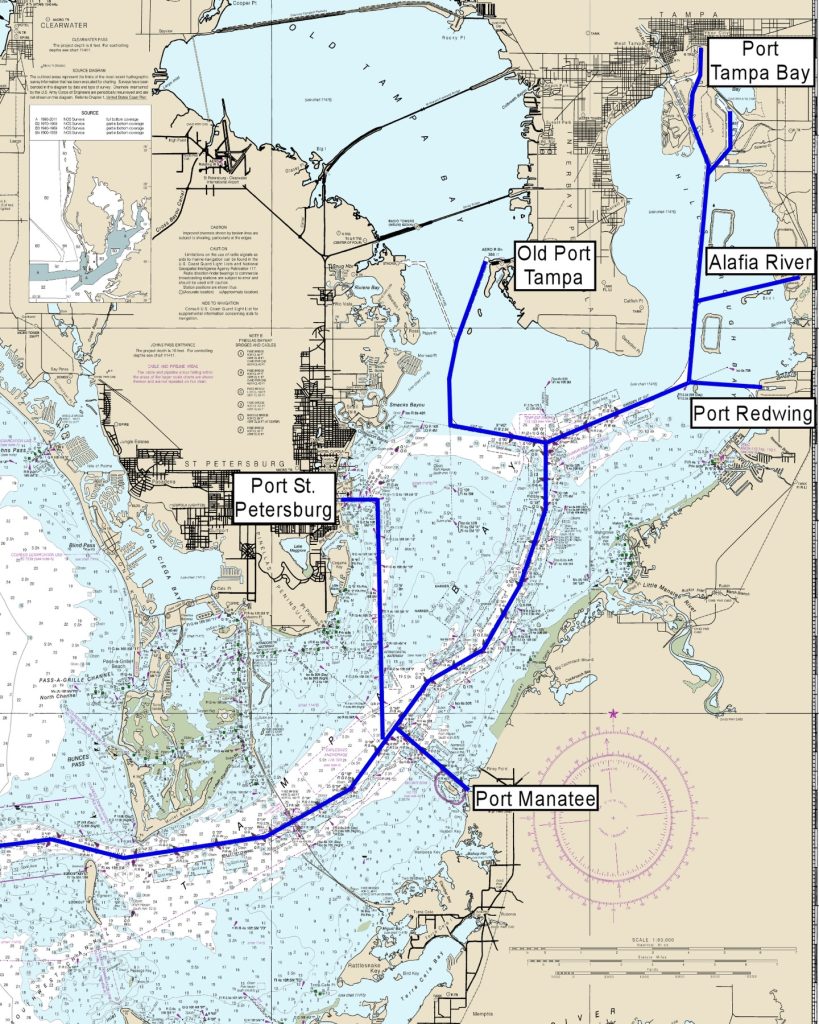
Port Tampa Bay just landed a $24 million federal grant to expand its berth so it can handle more ships. The funding comes from the U.S. Department of Transportation’s Maritime Administration, through the Port Infrastructure Development Program. It’s earmarked for the Berth 300 Extension Project out at Port Redwing.
The port itself is putting up $16 million, bringing the total price tag for the expansion to $40 million. The plan is to stretch Berth 300 by 800 feet, creating a 1,300-foot berth and a 2,800-foot stretch of contiguous berth space.
Paul Anderson, Port Tampa Bay’s President and CEO, put it this way: “This investment strengthens Port Tampa Bay’s ability to boost Florida’s economic position globally and makes supply chains more efficient and resilient for the region and the nation. We’re grateful for the partnership with MARAD and the support of the administration. They trust our vision for meeting the surge in cargo demand at Port Tampa Bay and throughout West Central Florida.”
Once finished, the expanded capacity will cut ship wait times, improve turnaround, and give the port the flexibility to handle different vessels. With the extra room, up to four 650-foot handy size bulk carriers or three of the Gulf’s largest dry bulk vessels will dock at the same time.
Port Redwing mostly deals in dry bulk cargo, things like granite, limestone, cement, gypsum, and grain, materials essential for construction, infrastructure, and agriculture across the state.
This project means current tenants can keep pace with, or even exceed, their commitments to handle over 5.7 million tons of cargo a year.
As Anderson put it, “We’re positioning the port to meet rising demand now and gearing up for even more growth as Florida keeps expanding.”
Port Tampa Bay is taking on this project to keep up with the region’s growing population and the increased freight that comes with it. The expansion also backs major infrastructure efforts, both public and private, all across Florida.
And, by increasing capacity at the port, they’re looking to reduce truck traffic, make the roads safer, and cut emissions while they’re at it.